
Greetings! Curious about stop motion? Let us be your guide.
In this deep-dive, we’re coming at you with:
- History, Archive Texts and Museum Pieces
- A run-down on stop motion and its forms, especially from the Soviet era
- Plenty of hyperlinks to come back to when you're looking for a gem
For a complete list of films, visit the Stop Motion Animation playlist on our platform:
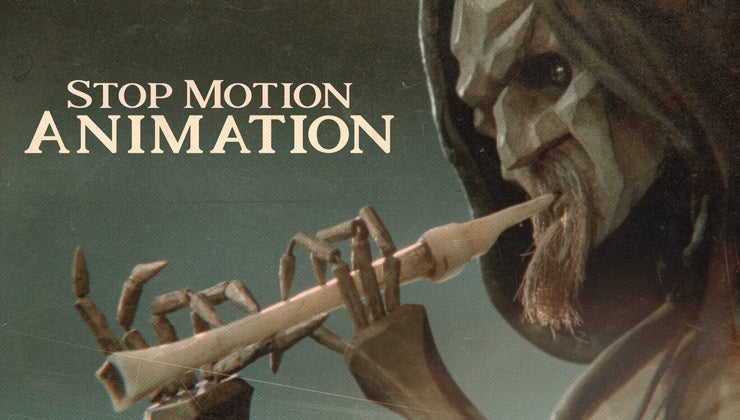
Across human history, since the little beginning, humans have shown a basic desire for myth-making, storytelling, and objects that represent themselves. Born from ritual and ancient philosophy, 'animation' has been a part of life and culture for thousands of years, and it's taken more material forms than we can count. It appears in all kinds of religious, political, educational, and entertainment contexts, and it continues to reinvent itself with each generation. In this guide, we’re looking closer at the stop motion form, bringing together visionary contributions across genres, countries, and media types. As usual, we’re telling the story with titles from the Eternal Family archive, so you can see for yourself what the heck it is we’re talking about!

For one thing, it's a specialty of ours at Eternal, and for good reason. It’s an old and storied art form, and the variations are endless! Whether it's online or in the wild, the term 'animation' is used widely, but what does it really mean?
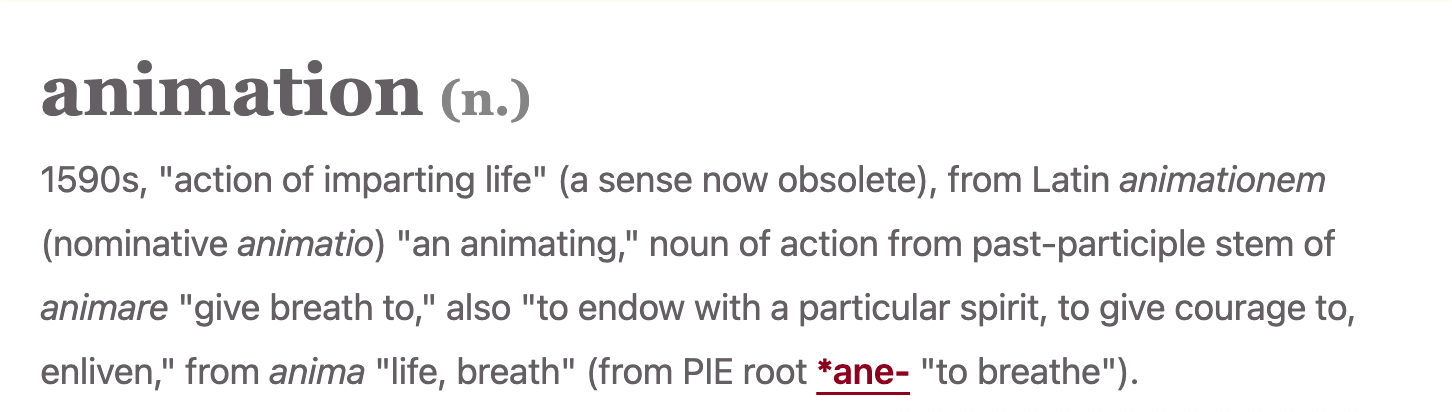
At its linguistic and philosophical root, the word animation means to breathe life, or somehow impart energy to another thing. Literal or metaphoric! The life-force in question is called the anima. All creatures possess this life force, to varying degrees, and some things reflect this energy back at us. It is an innate human tendency to animate; we naturally attribute a sense of spirit or inner energy to objects around us; we feel inspiration and make things come to life. This is what animated films do best, taking an object, giving it an ‘energy’ through artistic decisions and technical abilities, and create a little window into the soul.

Animation is the descendant of ancient rituals, totemic cults, travelling mystics, and the legends of giving life to inanimate objects. People are drawn to animation not just because it is cute and technically innovative, but because of our innate human drive toward fantasy, and toward endowing lifeless objects with life. We think of stop motion as a thoroughly modern practice, and in a sense that's true, but the spirit of the art is about as old as it gets. Totems are considered the oldest examples of "animated" figurines, and can be traced back to 30,000 BC. Terracotta puppets and statues were later made for theatrical or ritualistic performances, and these weren't just children’s shows. Flash forward to the 1980s and Piotr Kamlers serene, immortal characters bear a real resemblance to the ancient clay figurines.
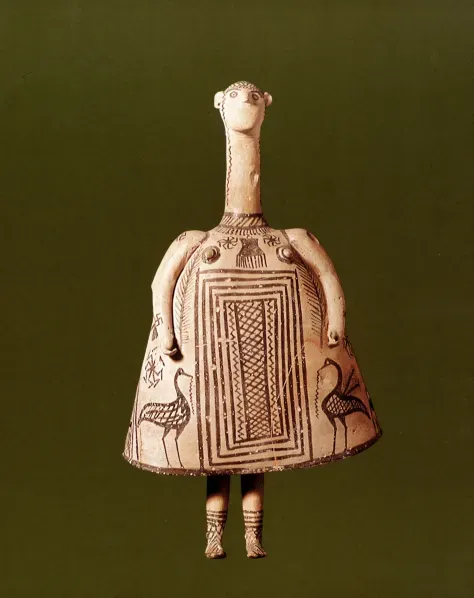
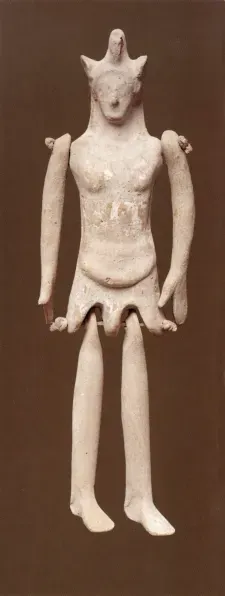
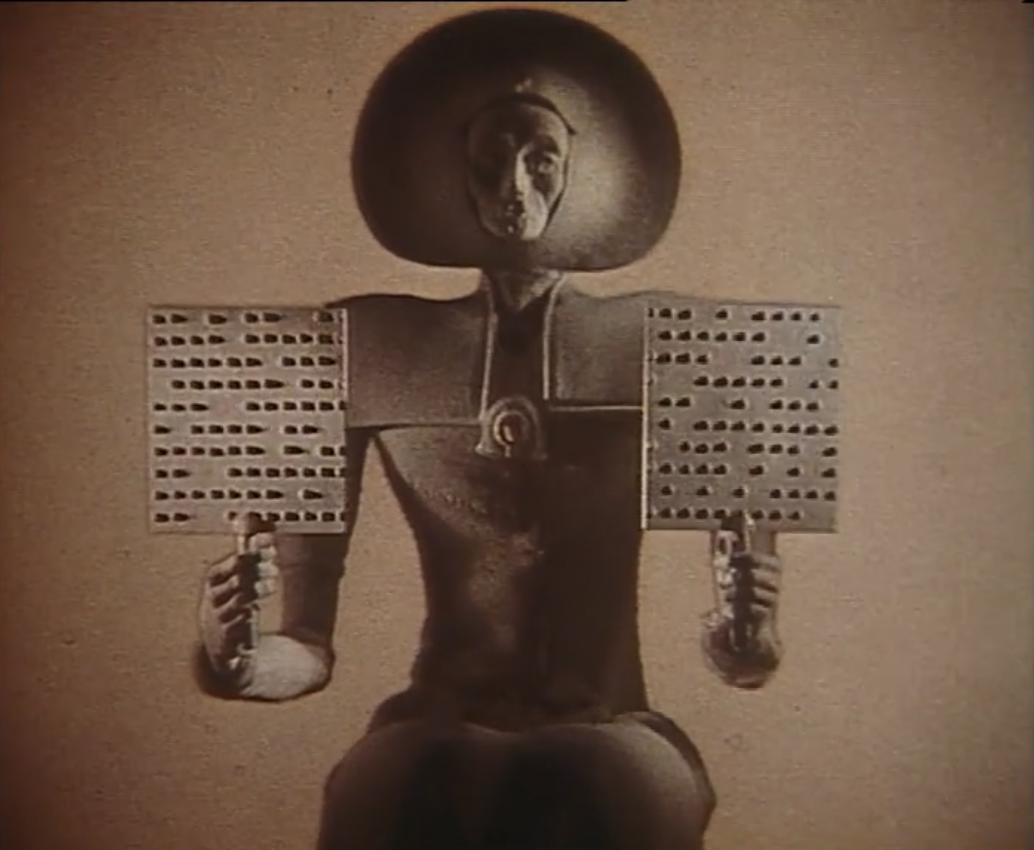
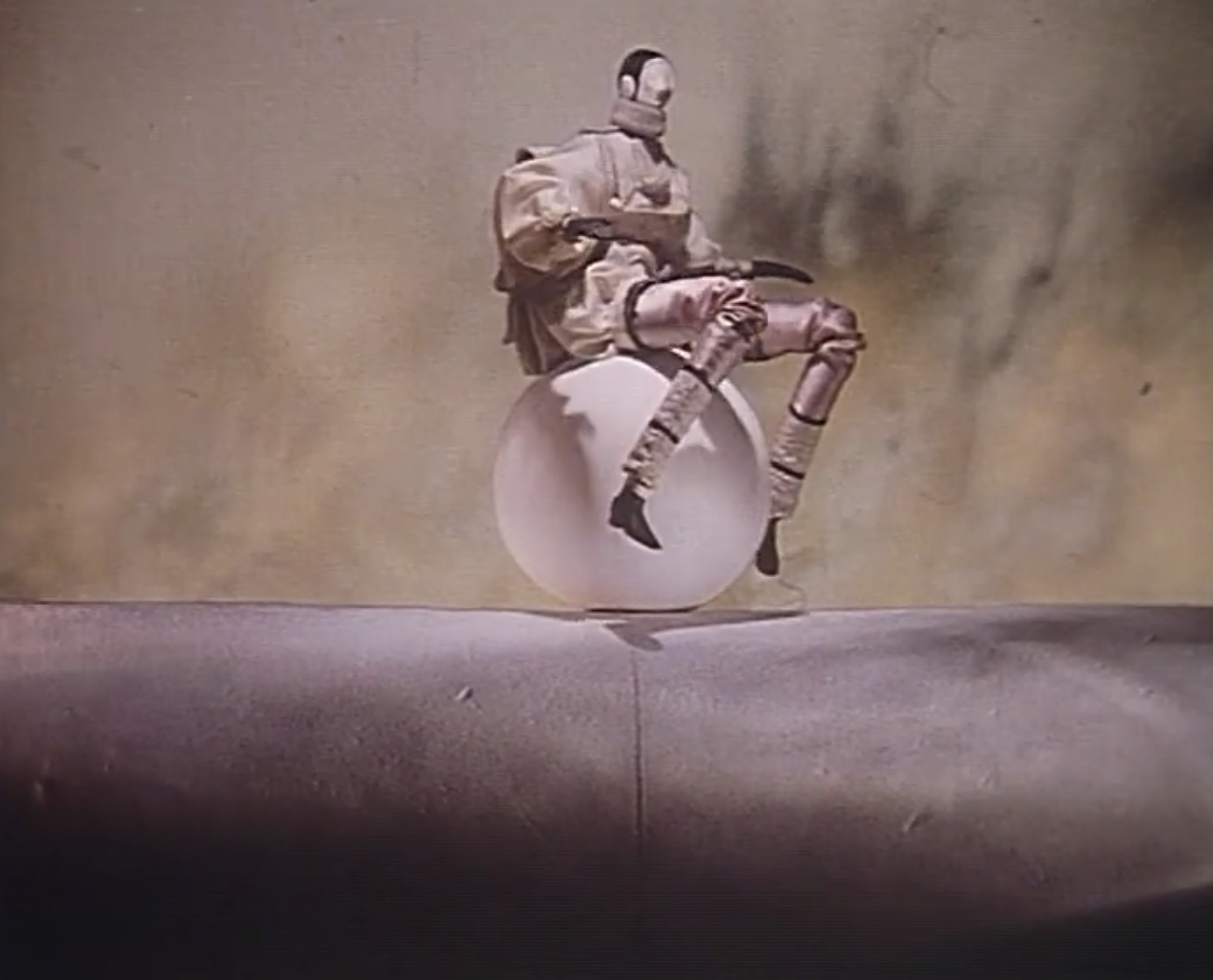
Fig 1: Greek Terracotta puppet, ca. 5th century BC, Fig 2: Greek Terracotta Bell Idol, circa 700BC, Figs 3 & 4: Figurines from Polish visionary animator Piotr Kamler's film Chronopolis.
In the middle ages, these ancient traditions developed into puppet theatre, which blossomed across Europe for centuries after. This tradition remained particularly strong in Eastern Europe, as some of the great puppet masters later went on mentor in animation studios. Traveling puppeteers developed sophisticated methods for conveying emotion and narrative through string and hand manipulations, an economy of motion that later translated naturally into frame-by-frame animation.
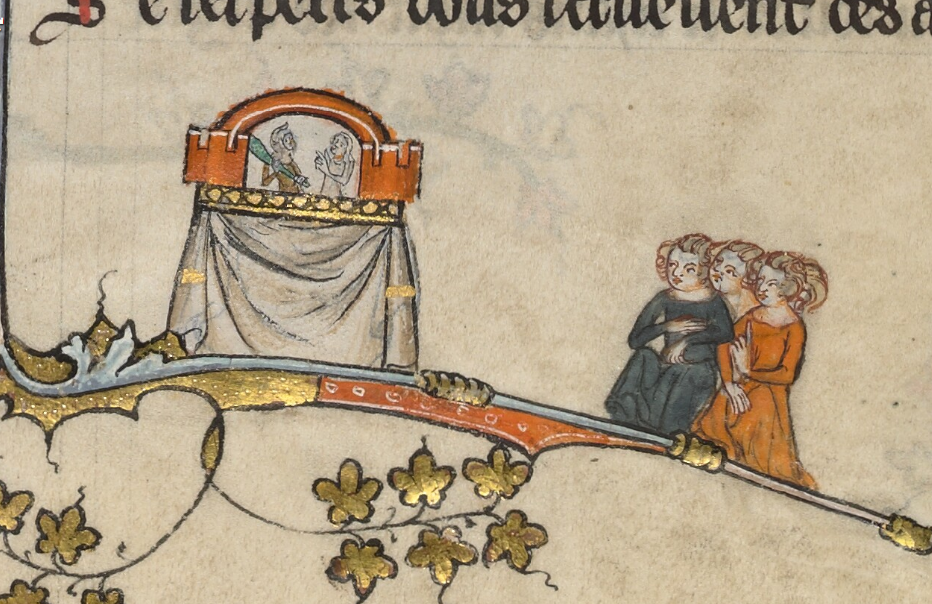
As photography and cinema emerged in the late nineteenth and early twentieth centuries, these theatrical practices were adapted to the camera: puppets were removed from the stage and placed onto glass tabletops and miniature sets, where their energy could be captured in a different way through stop motion. Yet despite the jumps from cave to silver screen, the soul of animation has stayed remarkably consistent over time.

Stop-motion is a unique partnership between camera and crew; it is a tactile and painstaking process, and it’s not for the faint of heart. In looking more at the old-school methods of animation, it's clear how human it all is. Between every frame is the presence and care of a lot of people. Through their combined efforts, we see a studied attention to both an energy and the material embodying it. This is what makes stop motion so special: the labour of love animators put into their craft, these frames between the frames.
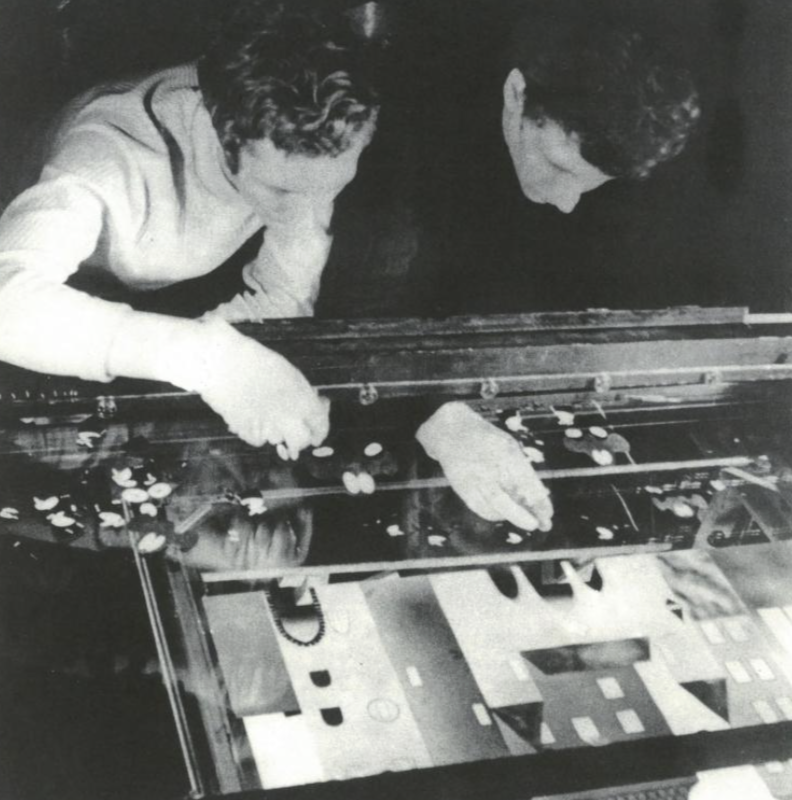
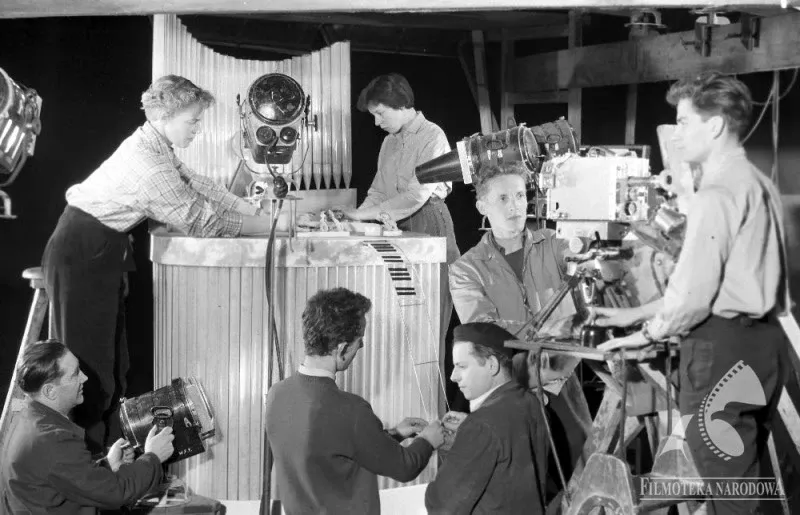
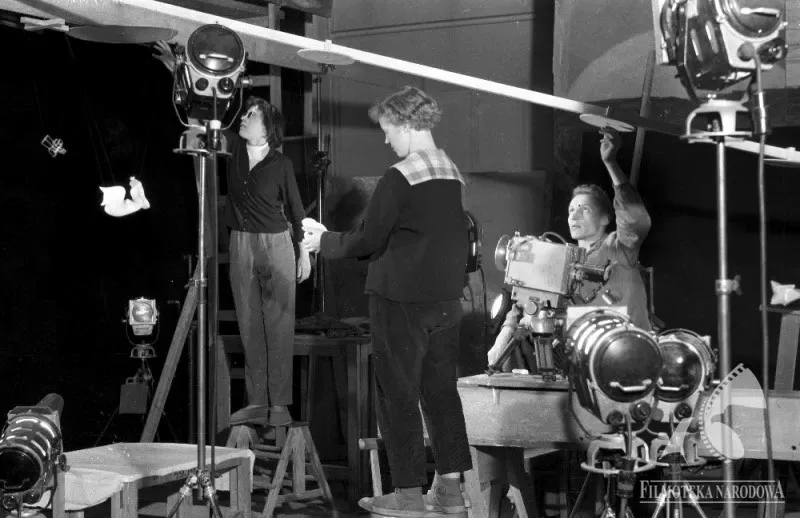
No matter what form it takes, stop motion is a lot of work! In every film, inanimate objects—whether representational figures or abstract forms—are photographed one frame at a time, with tiny adjustments between each exposure; when these still frames are played back in rapid succession, our visual system blends them into a continuous sequence of motion. Yet we can sort of tell when something is stop motion, there's always a handmade, slightly choppy quality to the articulations which reminds us that they're real.
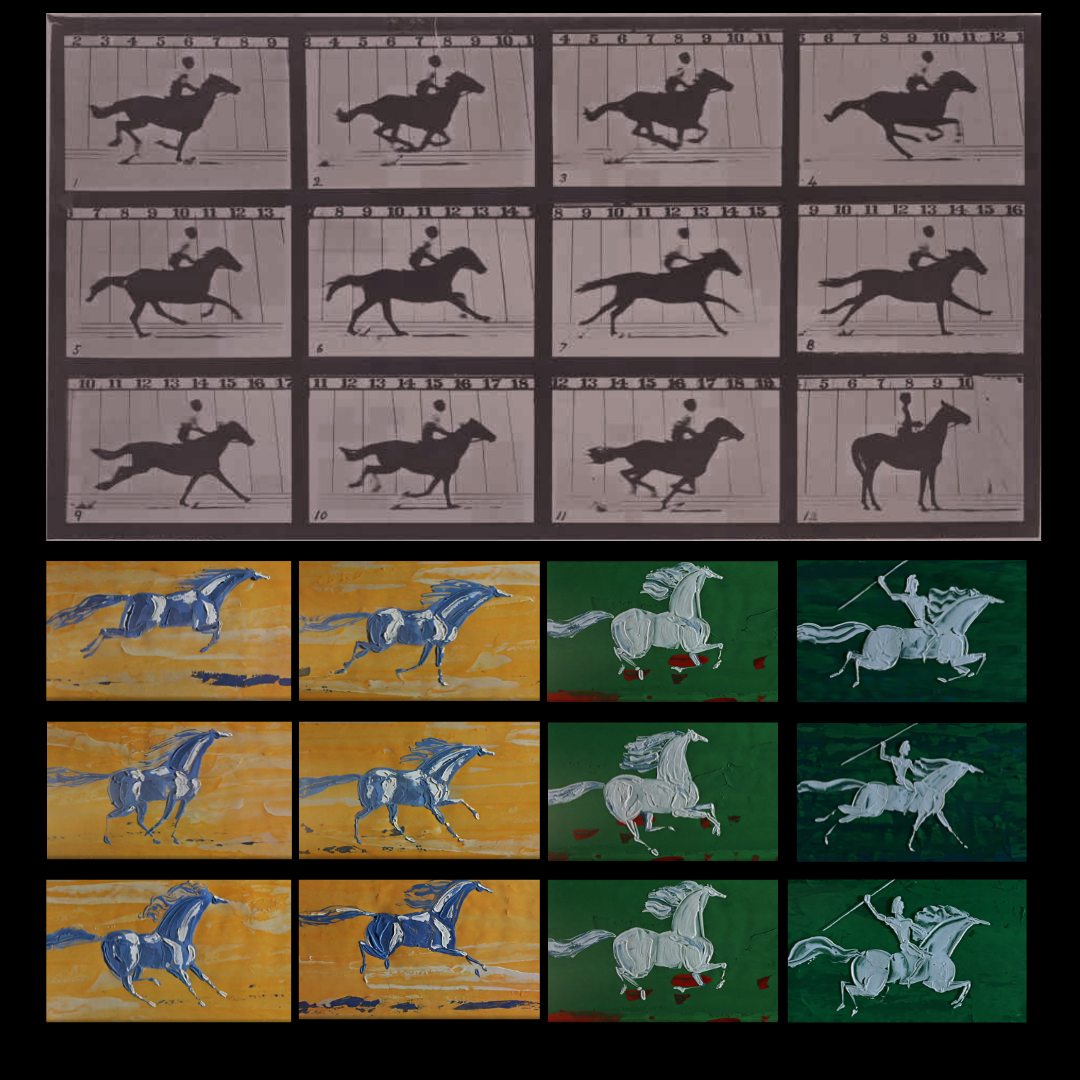

When you shoot with actors, you get people—which is great, but it has its limits. Animation has no such limits. It avoids realism by design, so it can really represent what’s in the heart. It can take any form and be made from endless materials—clay, paper, sand, ink, magnets, eggshells, wet hair, marbles, tuna fish sandwiches, etc etc. With the right lens, we’re willing to see any of these things as mirrors of our interior states. Insane trait for a species to have!
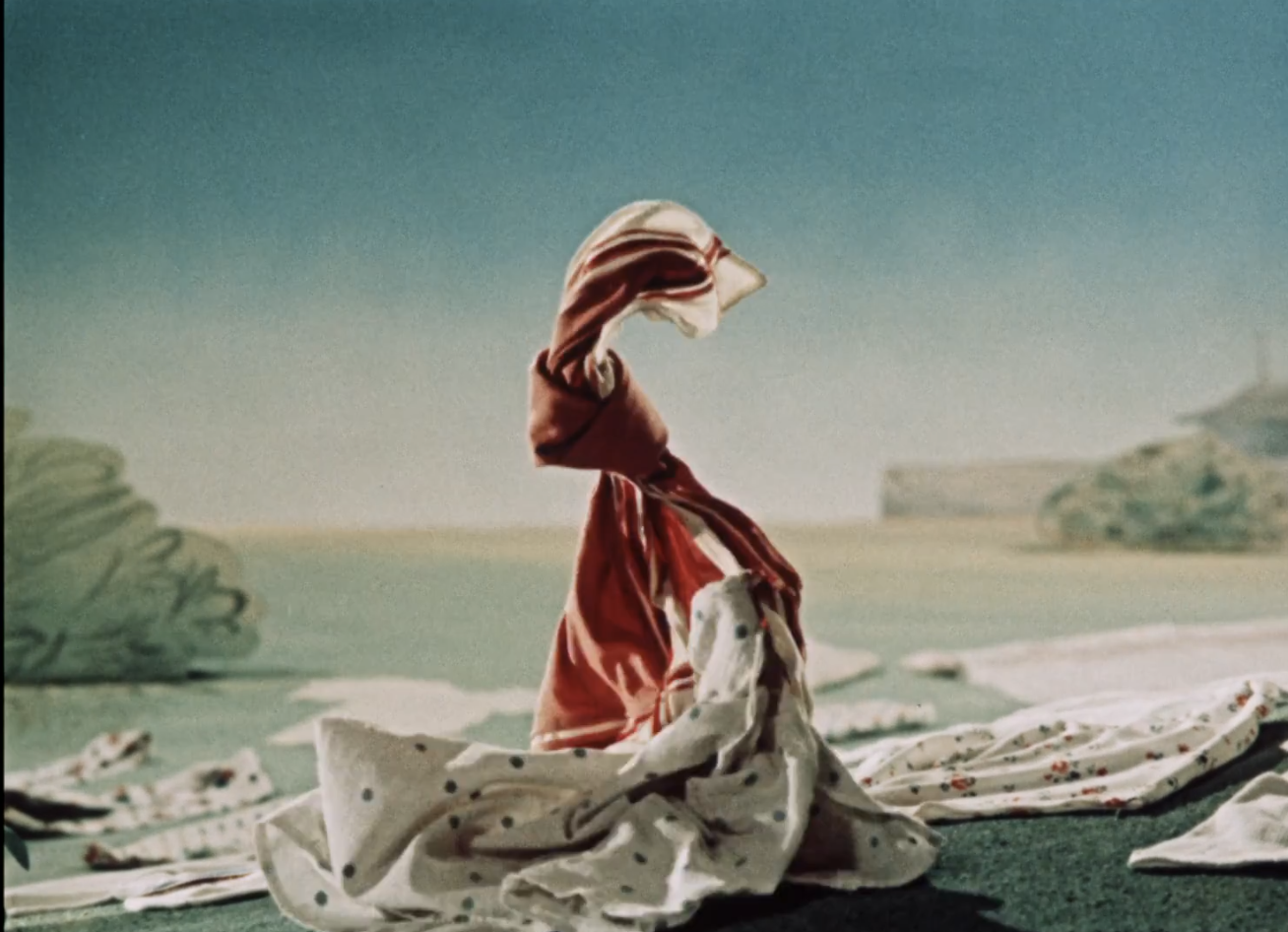
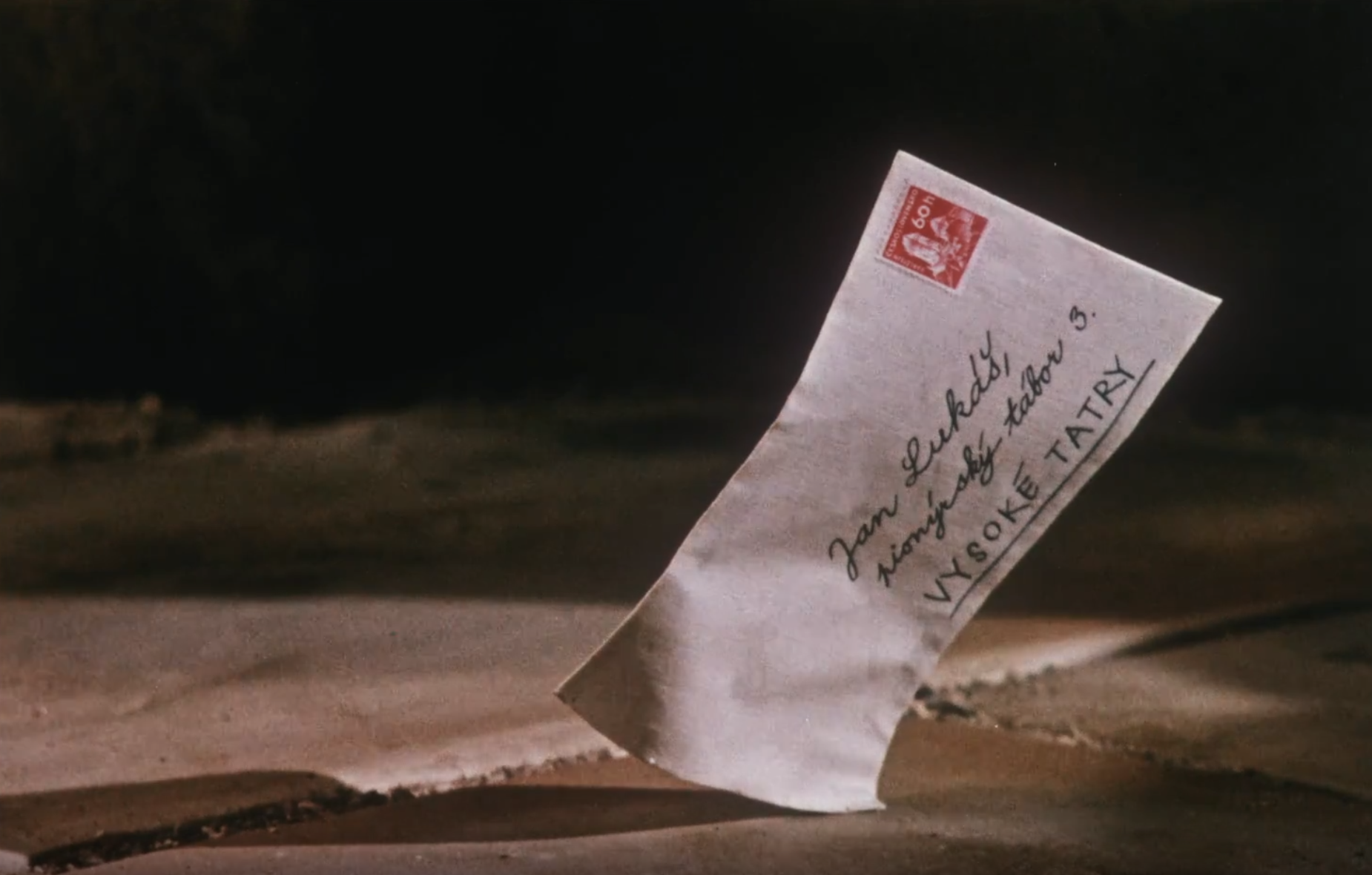
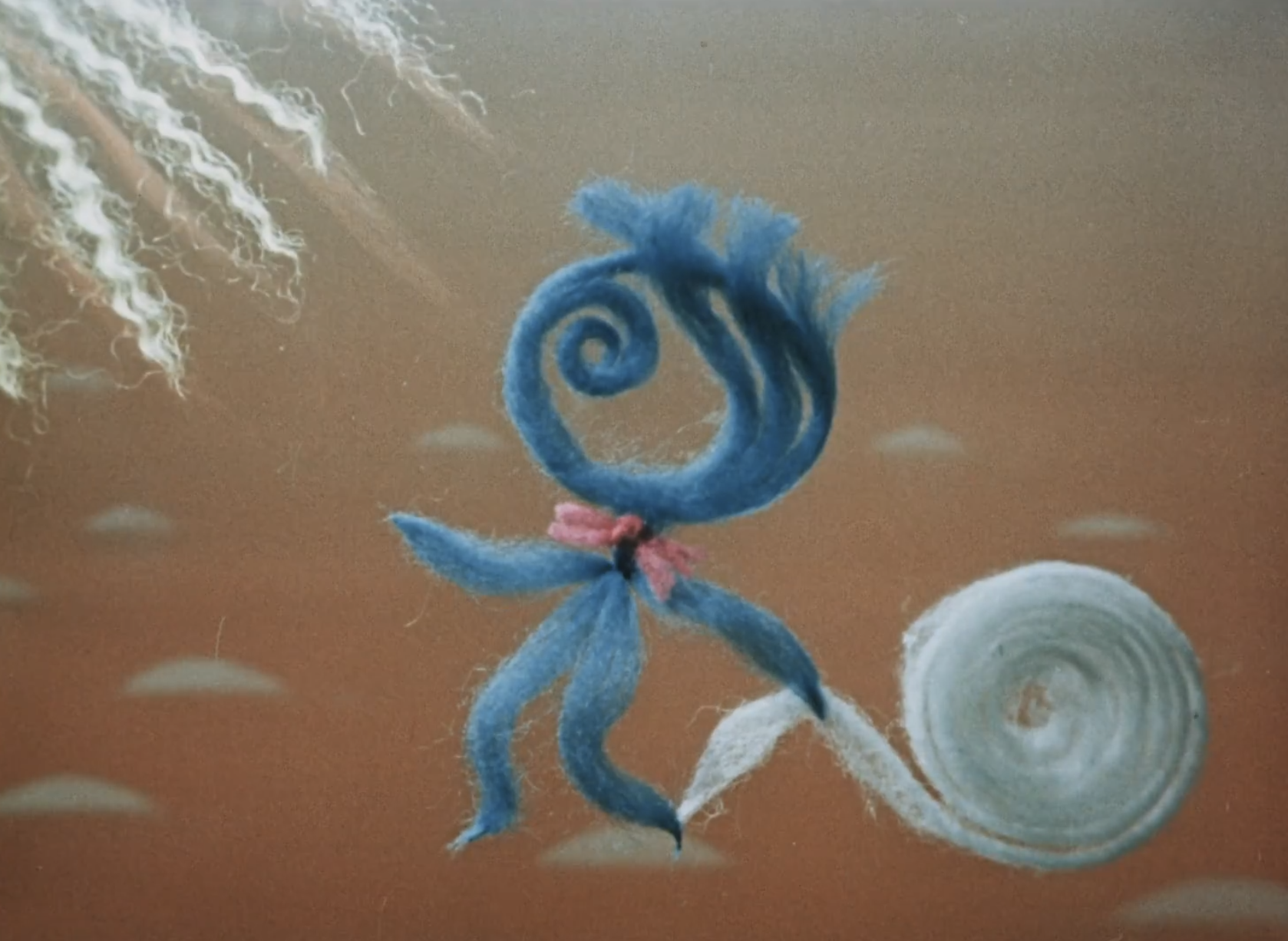
The Knot in the Handkerchief (1958), The Inquisitive Letter (1961), and Wooly Story (1964) by Hermína Týrlová.
Animations give shape to the interior condition, the back-of-the-mind, the heart of hearts, the deep downs, the soul and so on. It's the illusion of life and spirit in an ordinary thing, which for some reason, we are innately drawn to making up again and again. First generation Czech animator and trained puppeteer Hermína Týrlová makes great examples of this idea, often choosing fairly mundane subjects as her main characters.
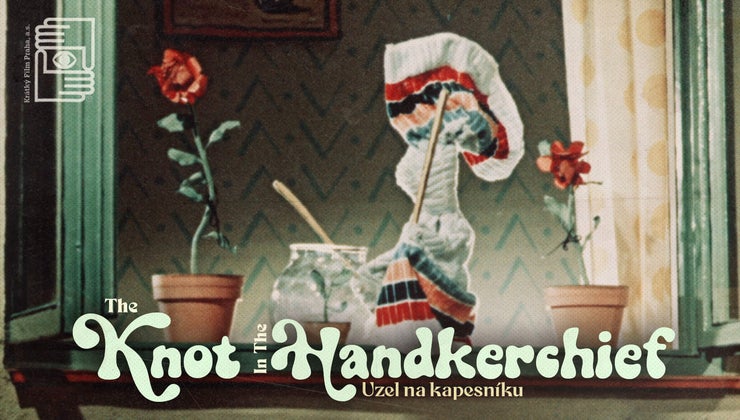
Seen the right way, any object can be an animated one. Sometimes a bolt of fabric twists up or floats off in a romantic way, or a piece of paper lifts and flies off like it's got a mind of its own. Toys seem like they could come to life when you close your eyes. Any time you open them, there's no telling what could jump out at you and feel somehow awake and alive, what sort of bulbous rock face, what thimble, what ratty tangle of shoelace might hold up a mirror to our souls somehow. And what a gift that is!

The best stop motion animators of all time came from Eastern Europe. No doubt about it. Something you might notice about Eternal Family is our substantial collection of Soviet-Era animation.We have great stop motion archives from Estonian, Polish, Czech, Hungarian, and Latvian artists, and the stack is always getting higher. It was for both children and adults, offering both a distraction and a method of critique for countries under Communism. These constraints, combined with the rich folk heritage animators brought to their works, made the films truly legendary in the stop motion world. At the time, animation functioned as a new and empty niche, which stood outside the official hierarchies of 'high art.' Science fiction, parody, and at times psychedelic imagery didn't cause too many problems with cinema authorities, problems that would have been inevitable in the case of a serious novel, live performance, or public art exhibition. This is why, by the way, the media we consider 'low brow' is so important; if it's not taken too seriously, a lot more slides under the radar.
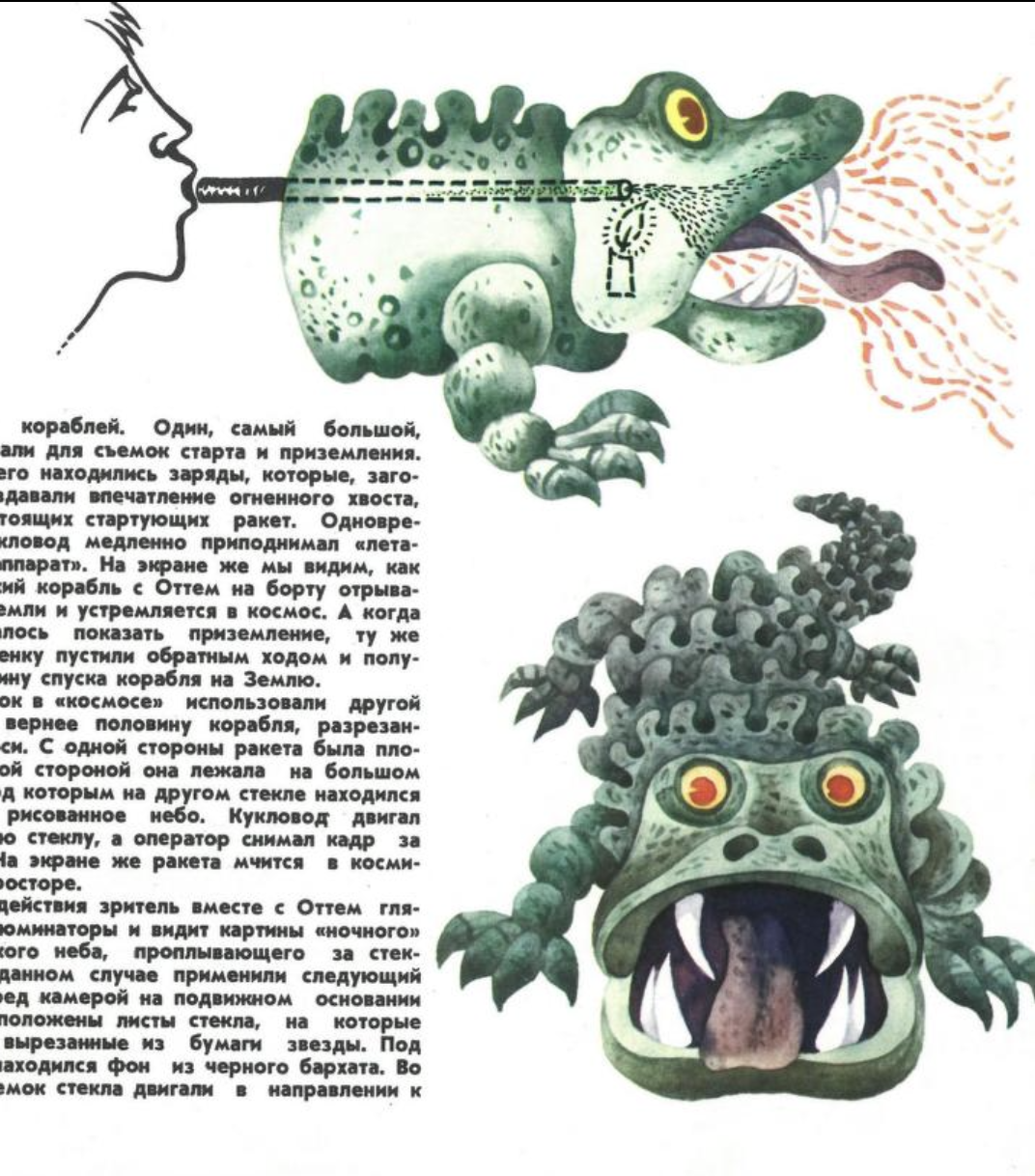
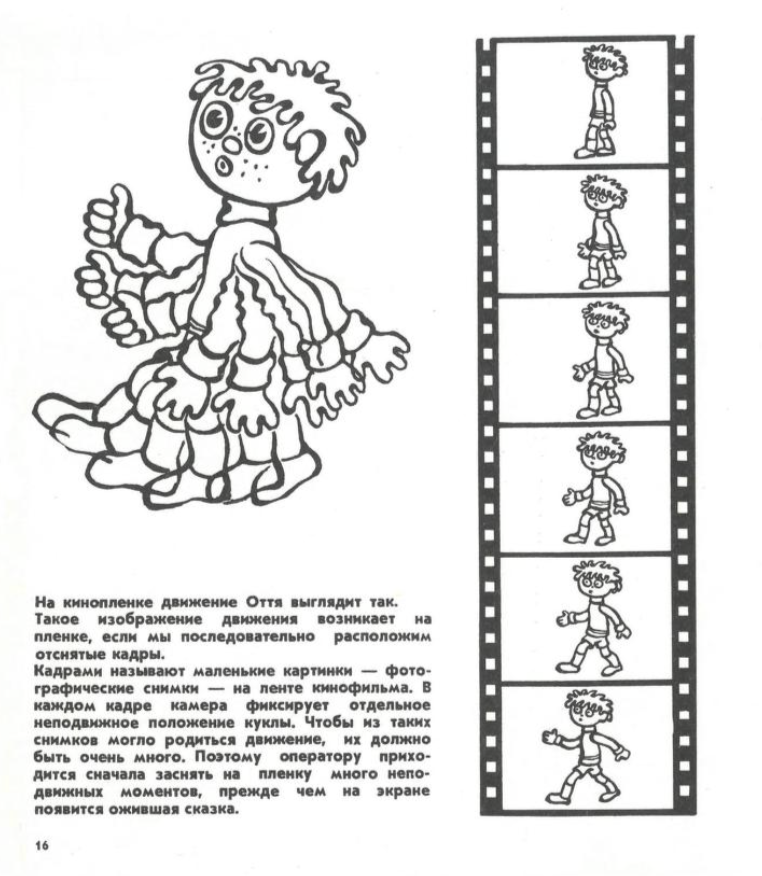
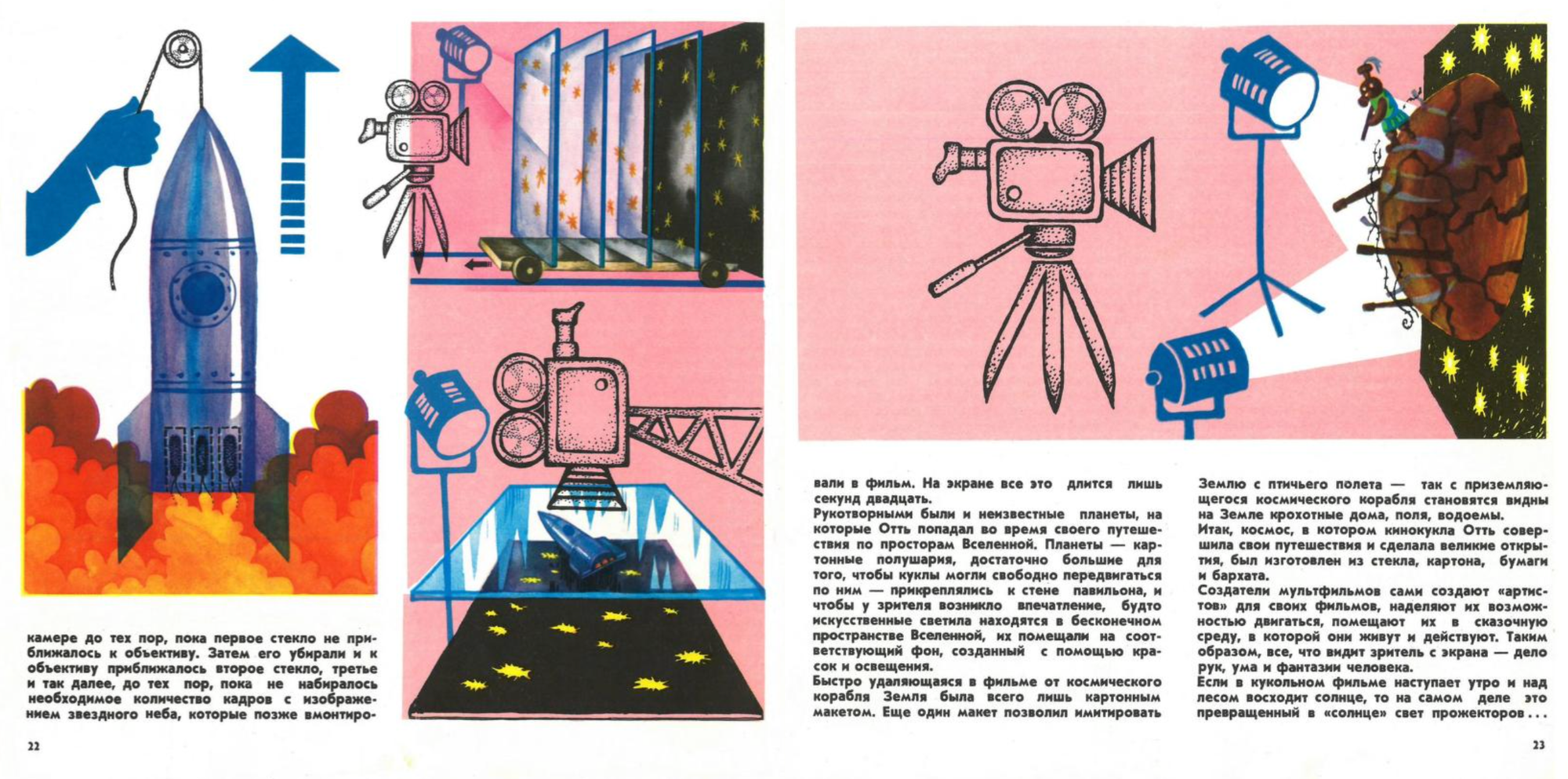
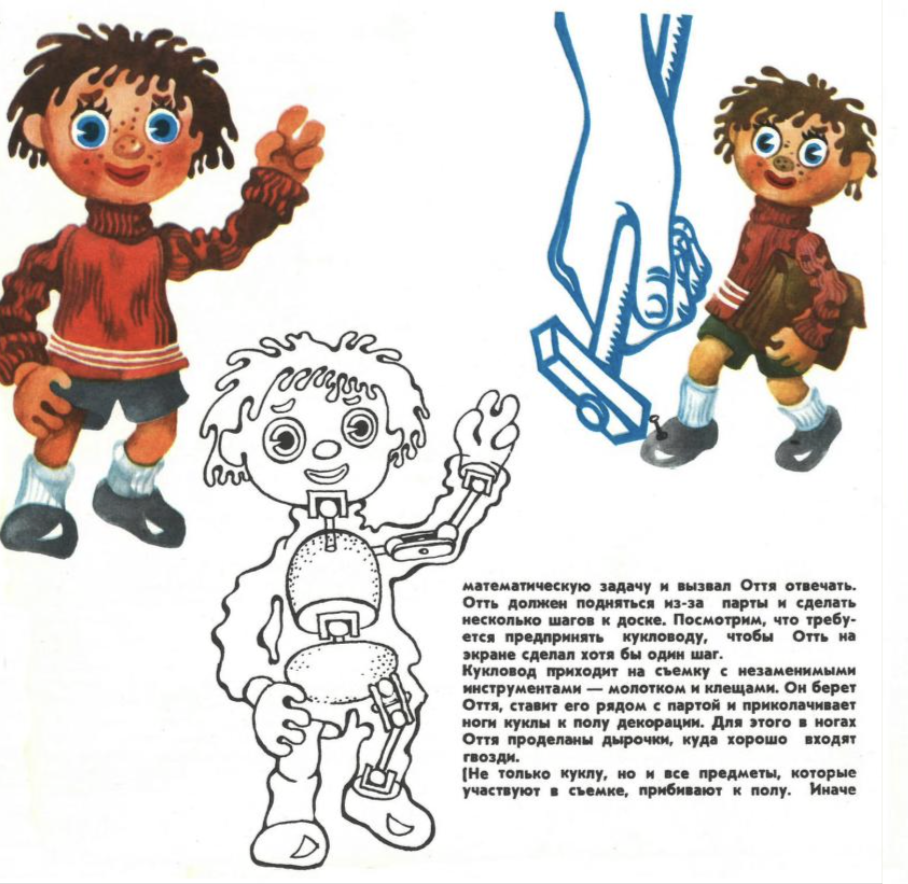
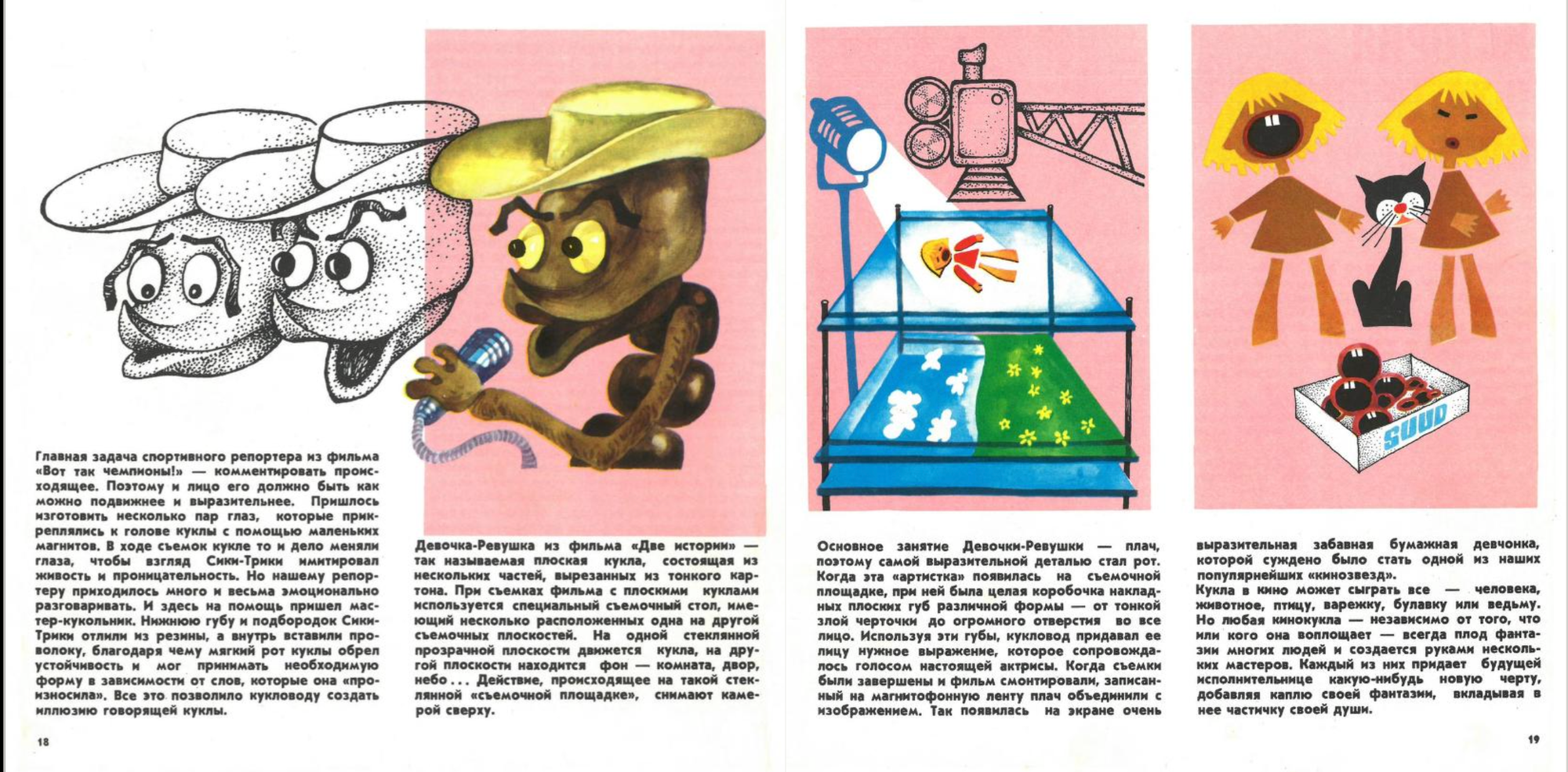
Behind-the-scenes mechanics of Ott in Outerspace (1961) as seen in Russian/Estonian animation handbook. Ожившие сказки 1977 | Fairy Tales Come to Life by Silvia Kiik
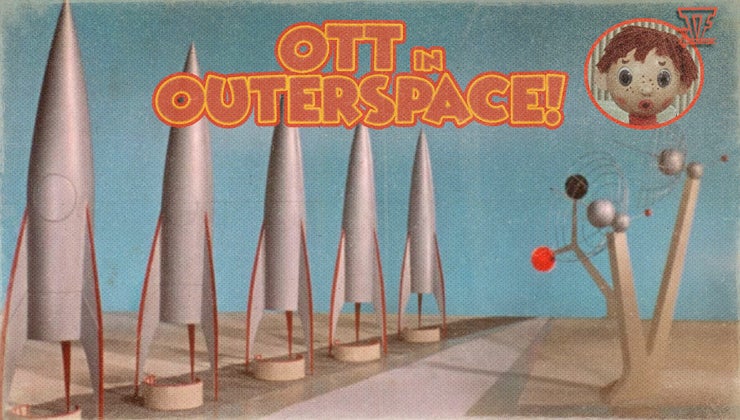
Animation was a place where edgier messages (gov't critique) could pass by without too much scrutiny. The animation studio was a safer place for freedom of expression, especially after Stalin died and the Thaw began; under Khrushchev, censorship was a little lighter. Estonians poked fun at Sputnik and the space race in Ott in Outer Space (1961) Czech animators mock the war of attrition with Words, Words (1988). Hungarian beans blow up a surveillance satellite in Scenes with Beans (1976), while that same year in Latvia, Ansis Bērziņš made Tipa the Ant (1976), a story of a worker bug that dreams of leaving their soulless colony for a life under the sun. Ansis was married to another Latvian legend: Roze Stiebra. Her works, also available to watch on Eternal, represent parts of Latvian culture that Russian authorities violently suppressed in their streets and their homes. Animation was vital work in Eastern Europe, keeping community and folklore alive in the face of Communist authorities. Read more about Roze in this feature:
 Megan Switzer

#1: Puppet Animation
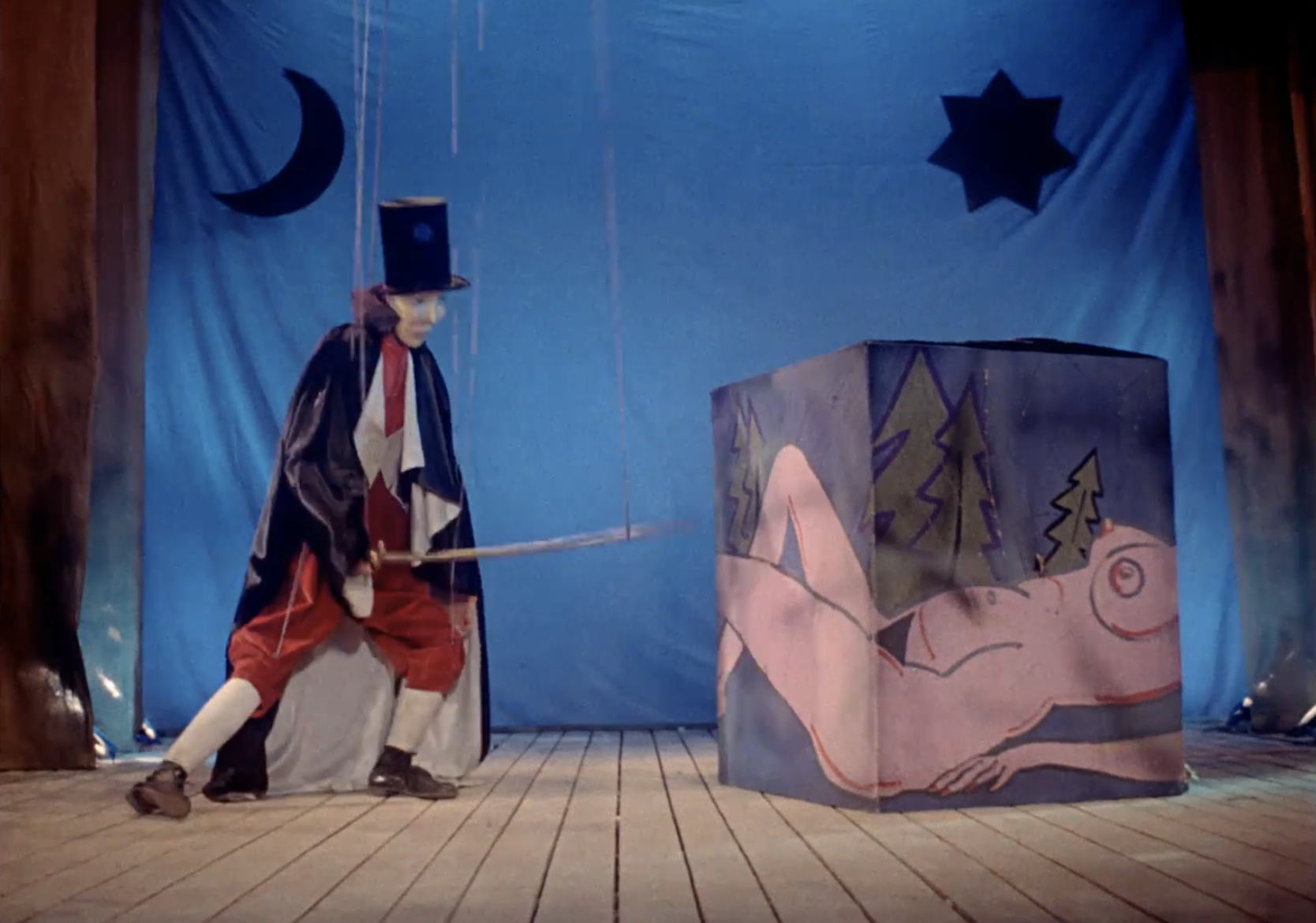
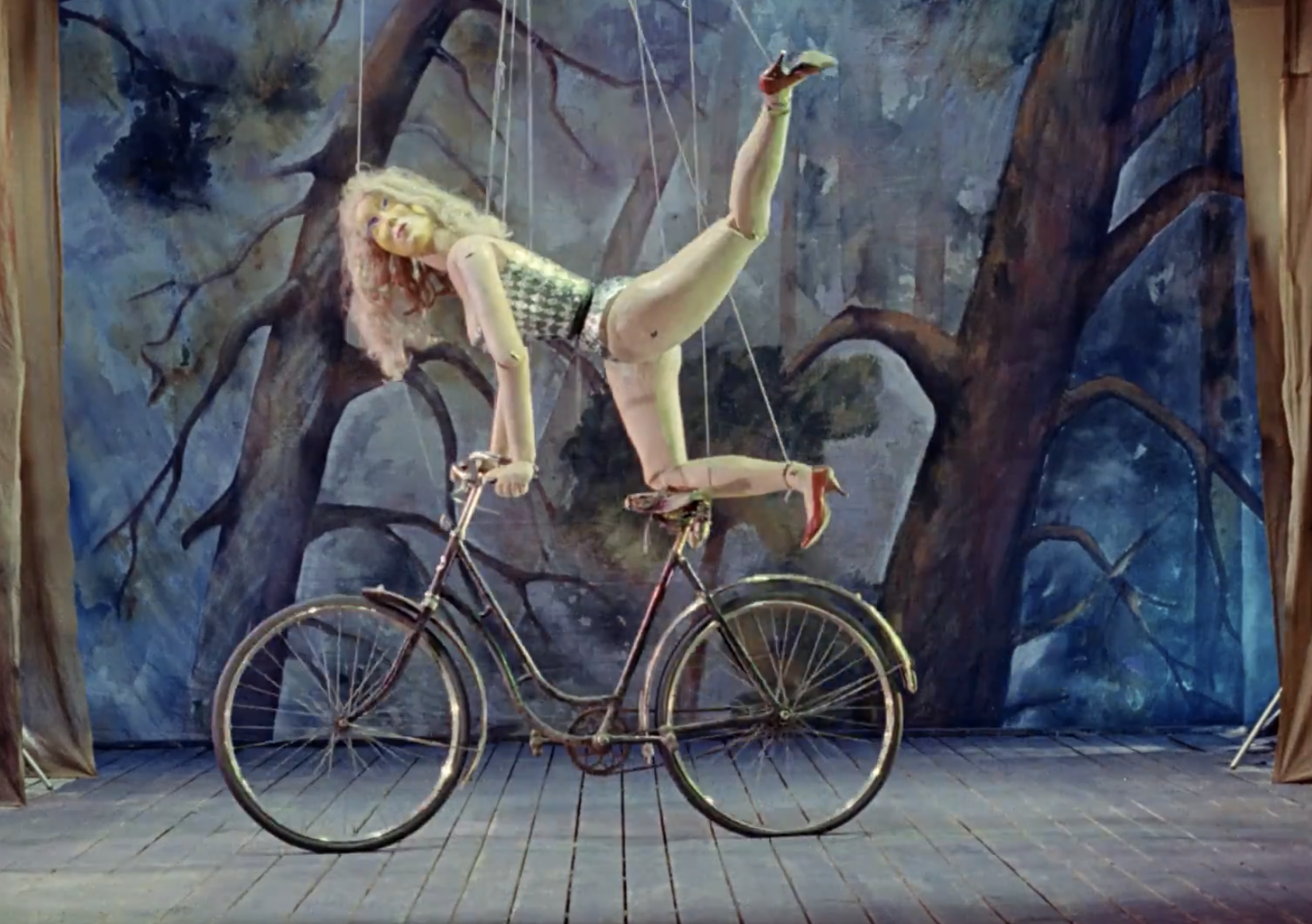
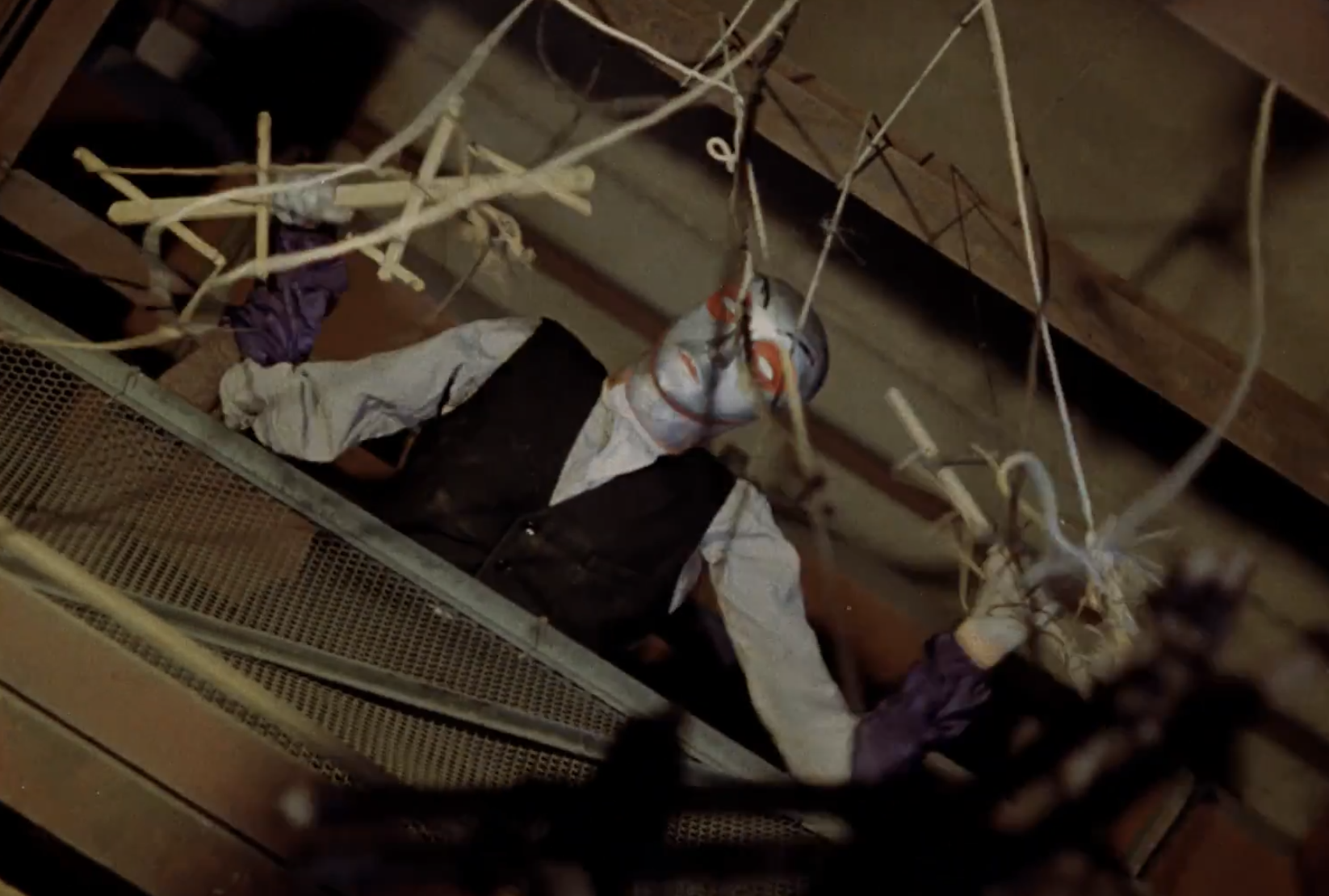
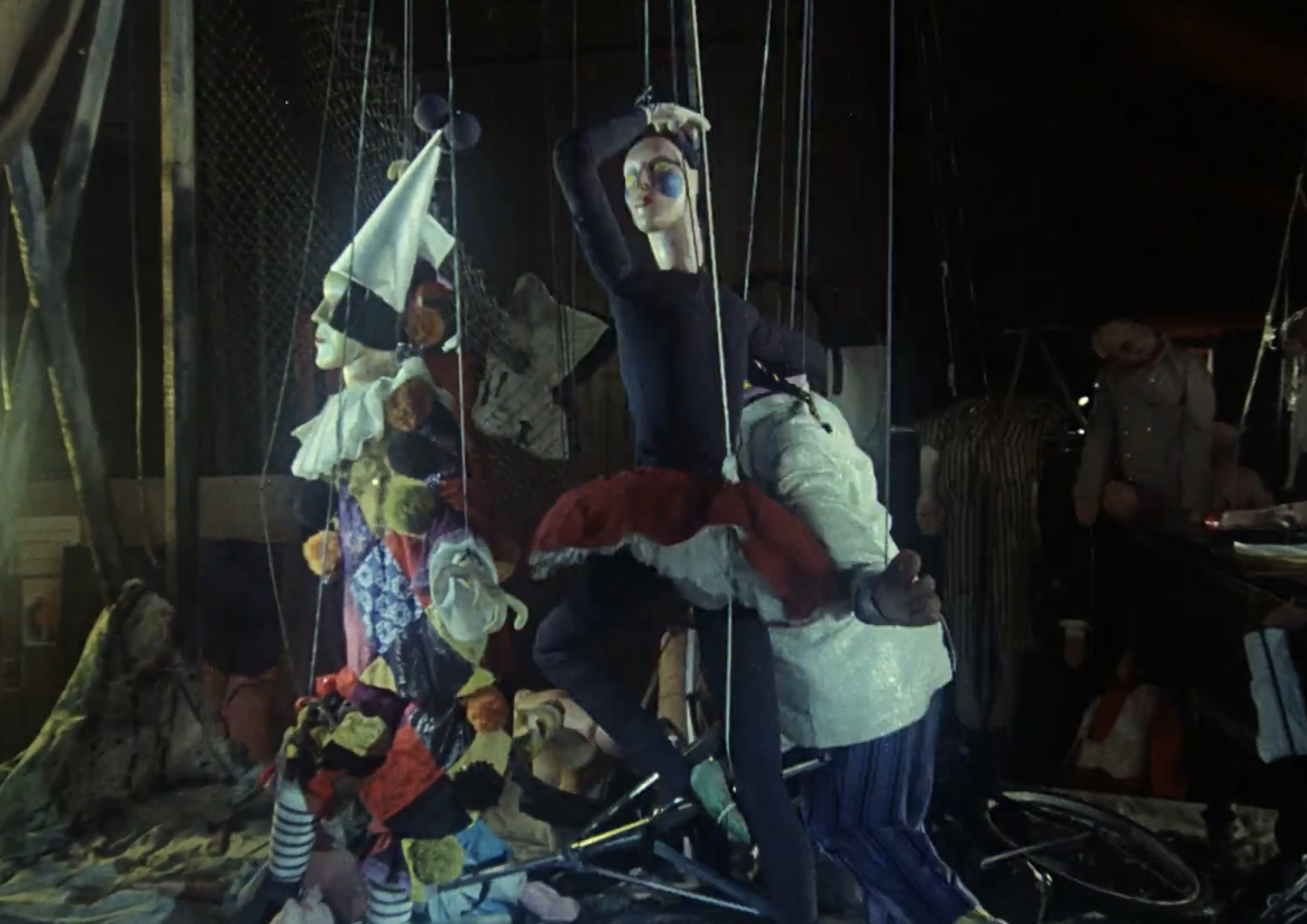
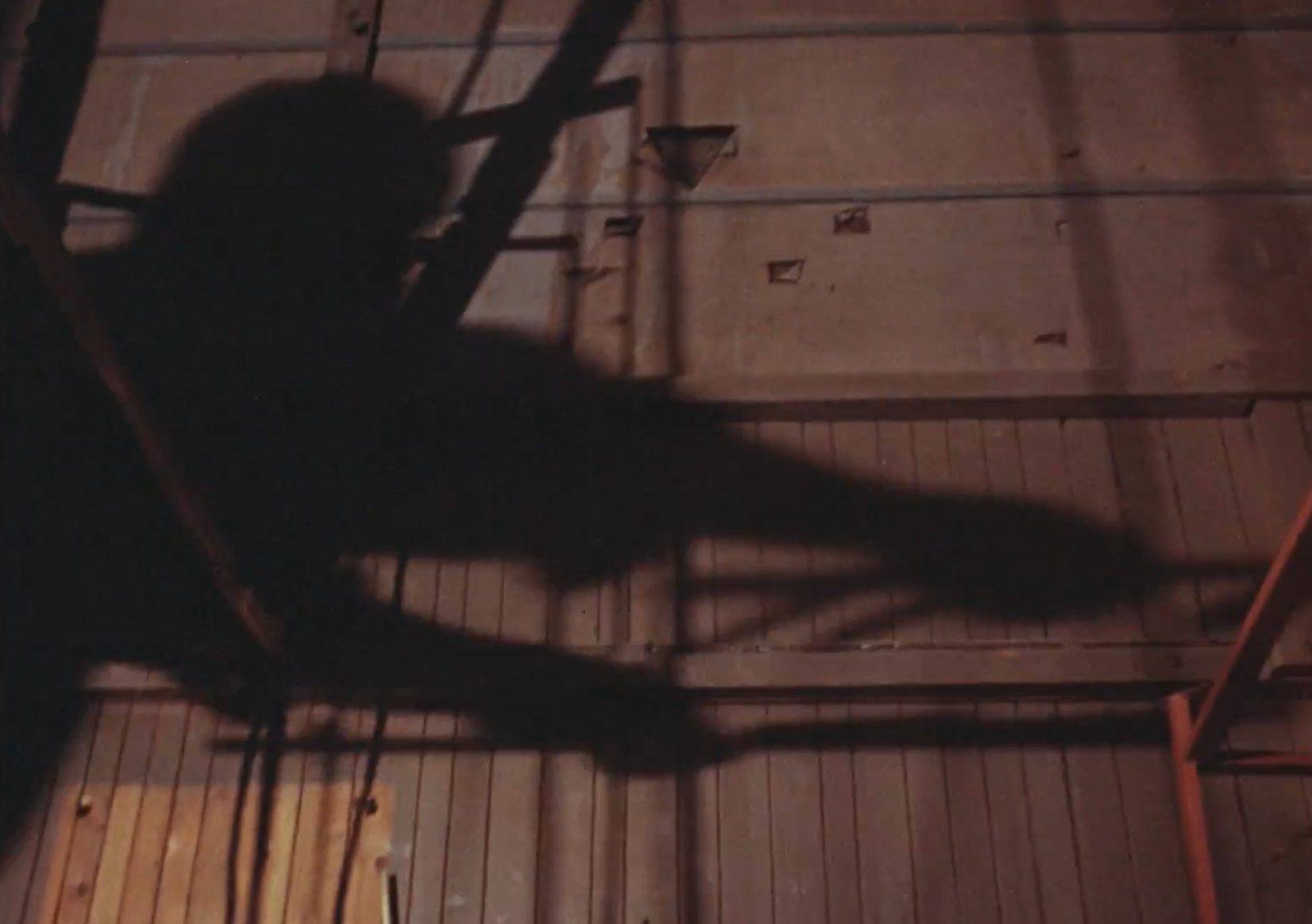
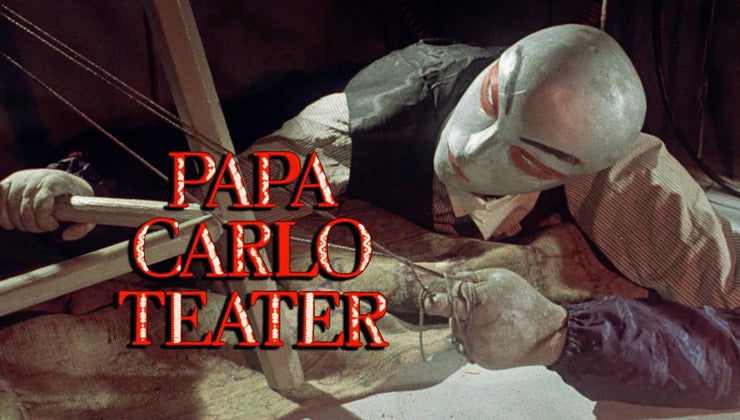
Papa Carlo Theatre (1988) by Rao Heidmets
Puppet animation uses string-controlled puppets, preserving the visible mechanics and gravity-bound movement of strings. This style often blurs the lines between stop motion and live action, as the puppets can be both traditionally filmed and manipulated frame by frame. Puppet animation typically uses shadows, fabric, paper maché, and other soft materials.
#2 Clay
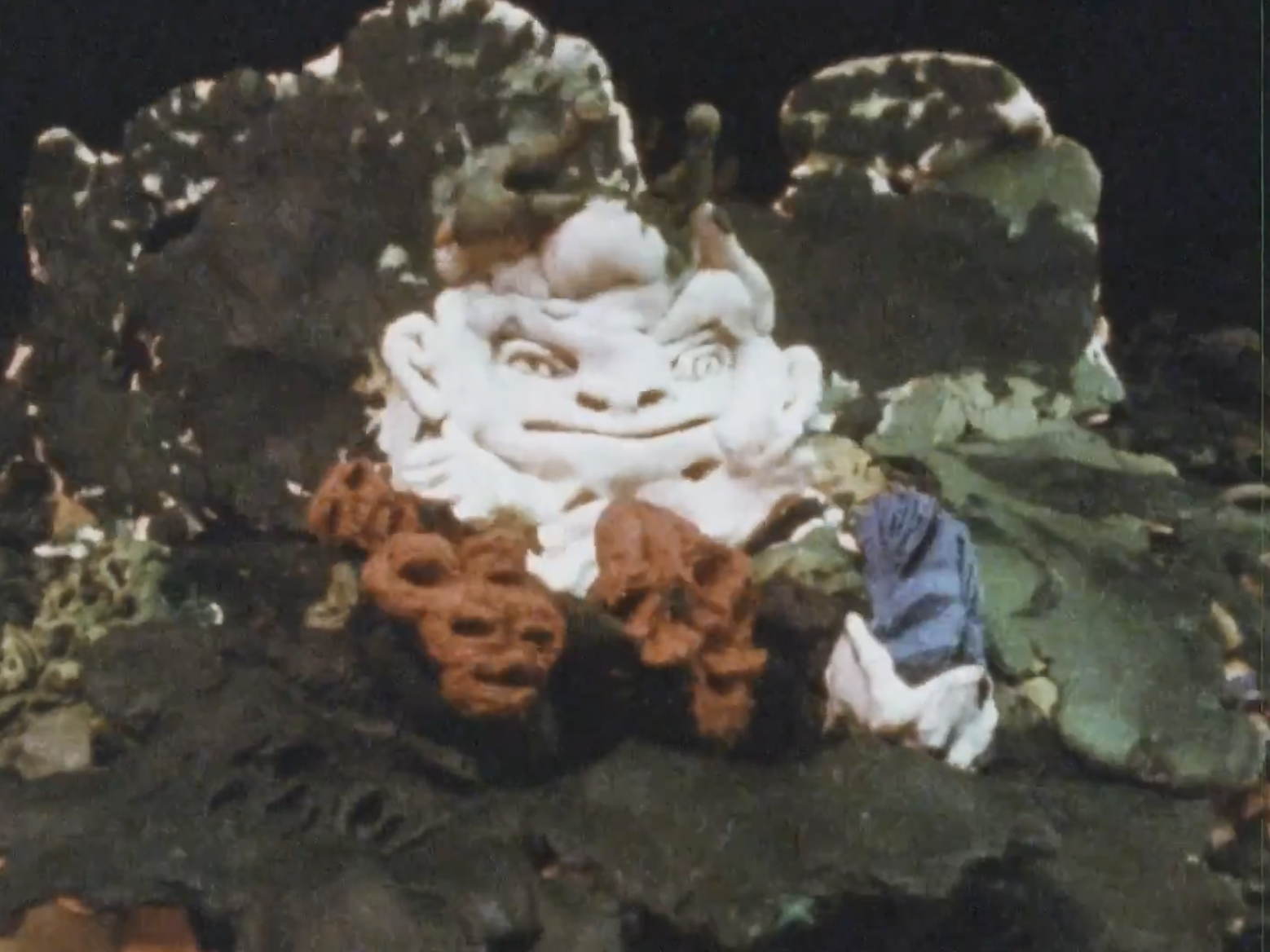
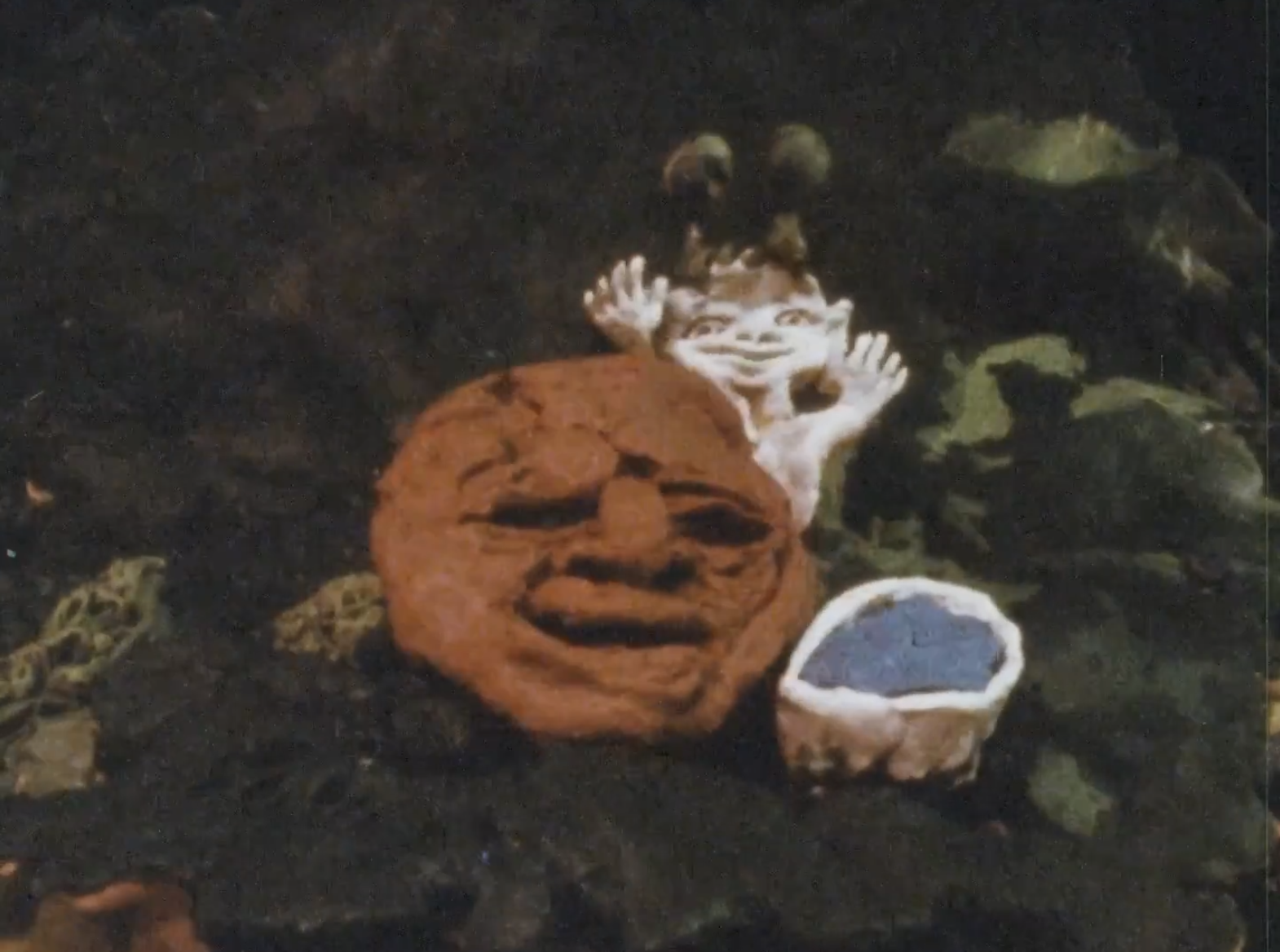
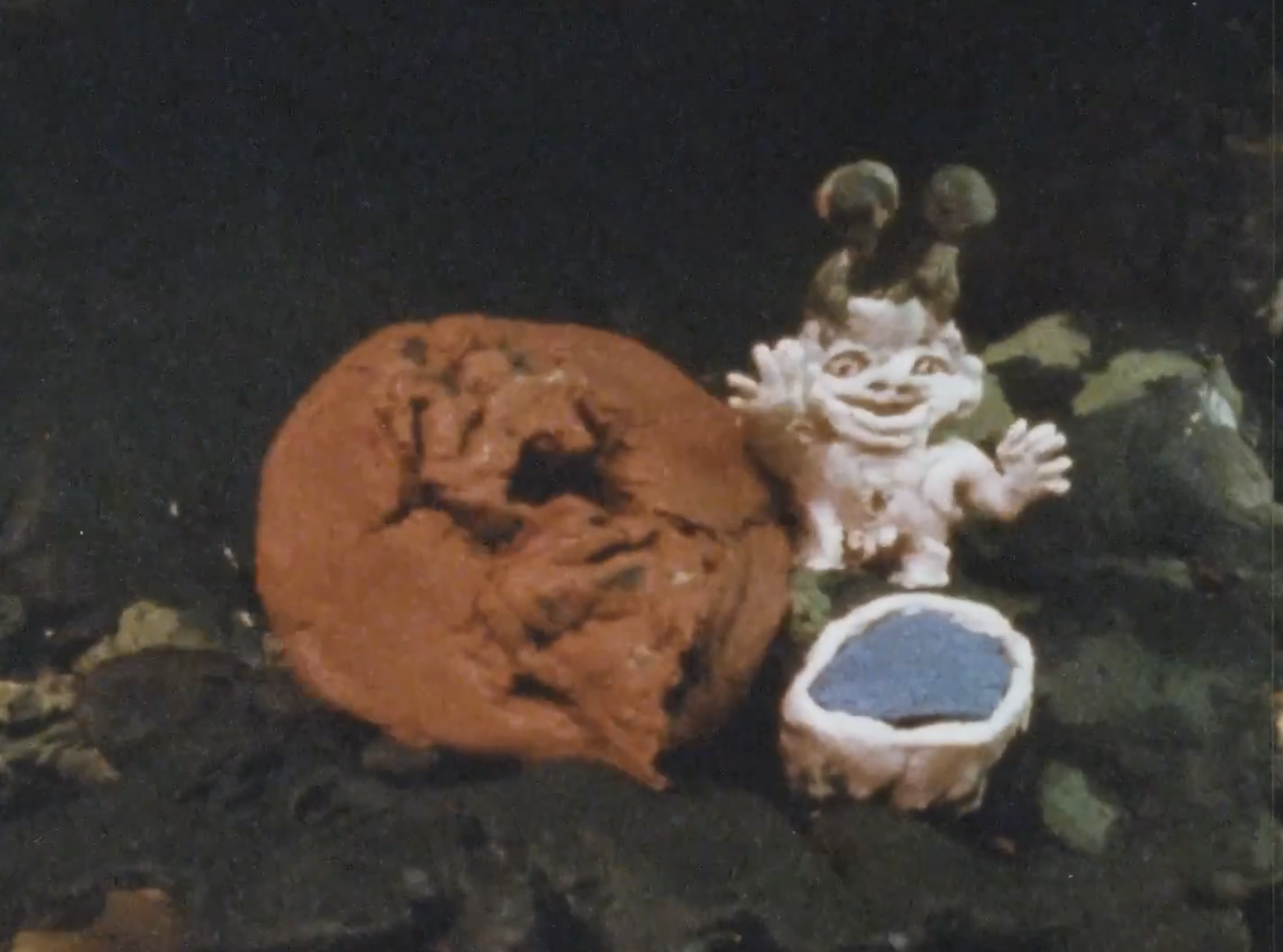
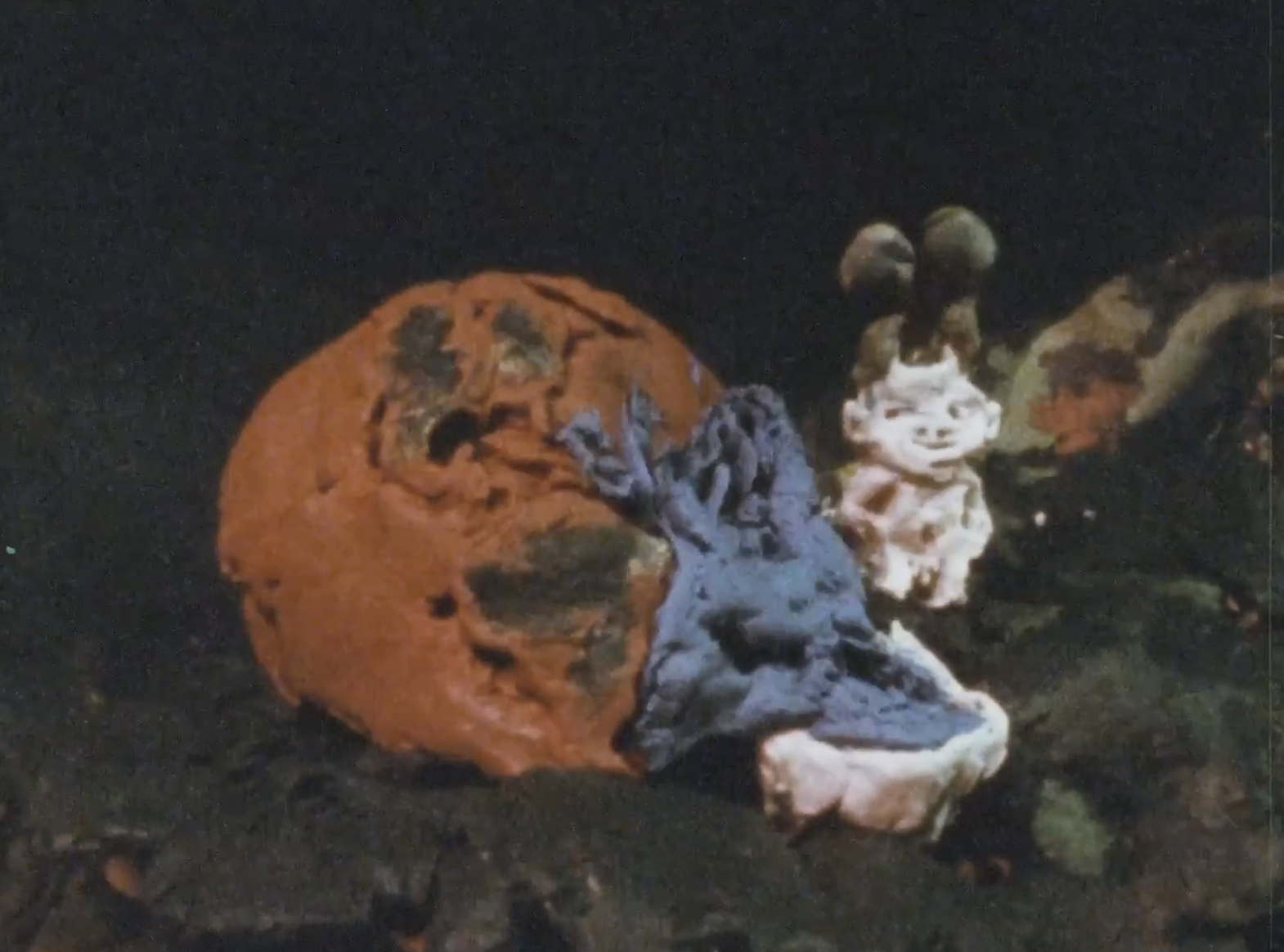
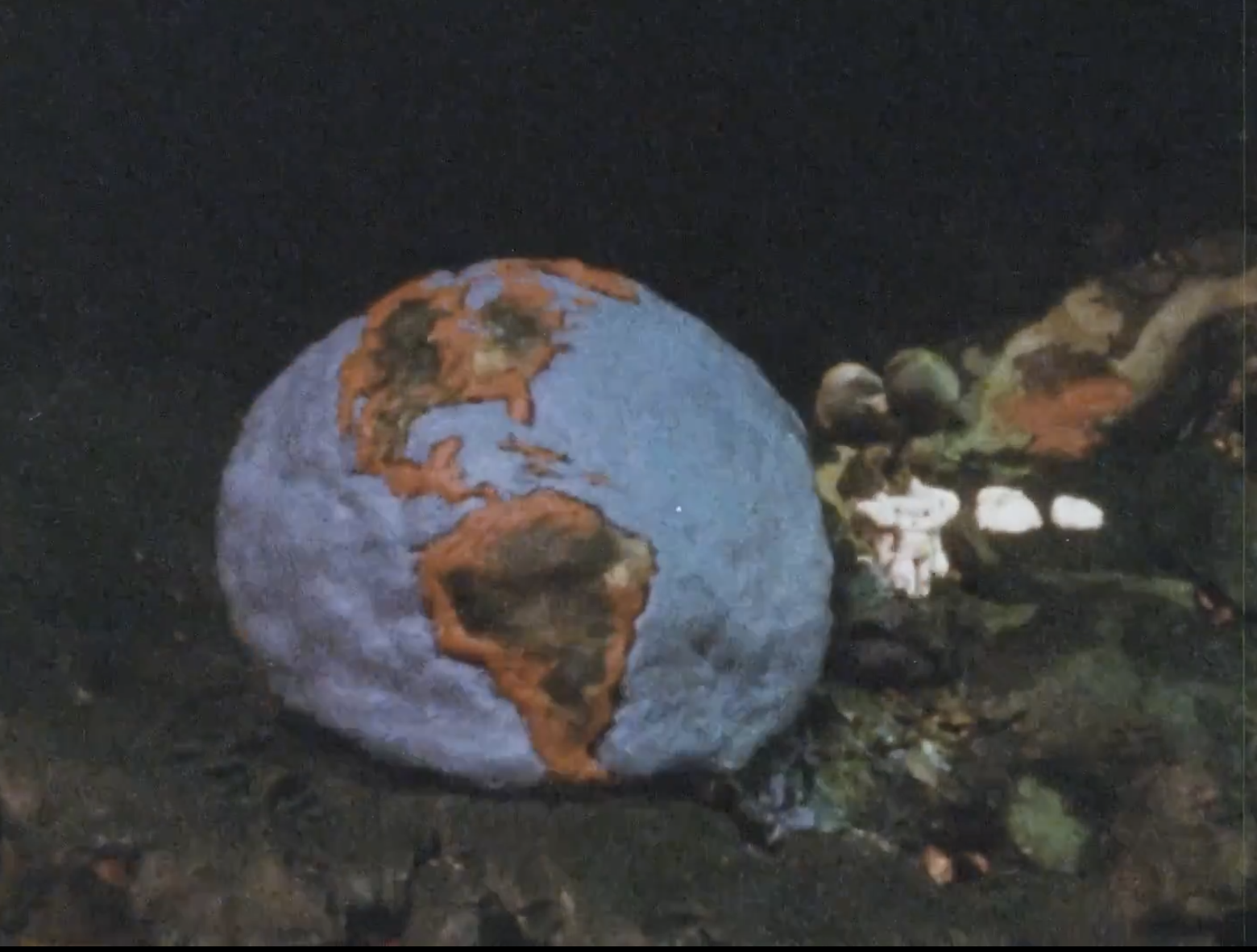
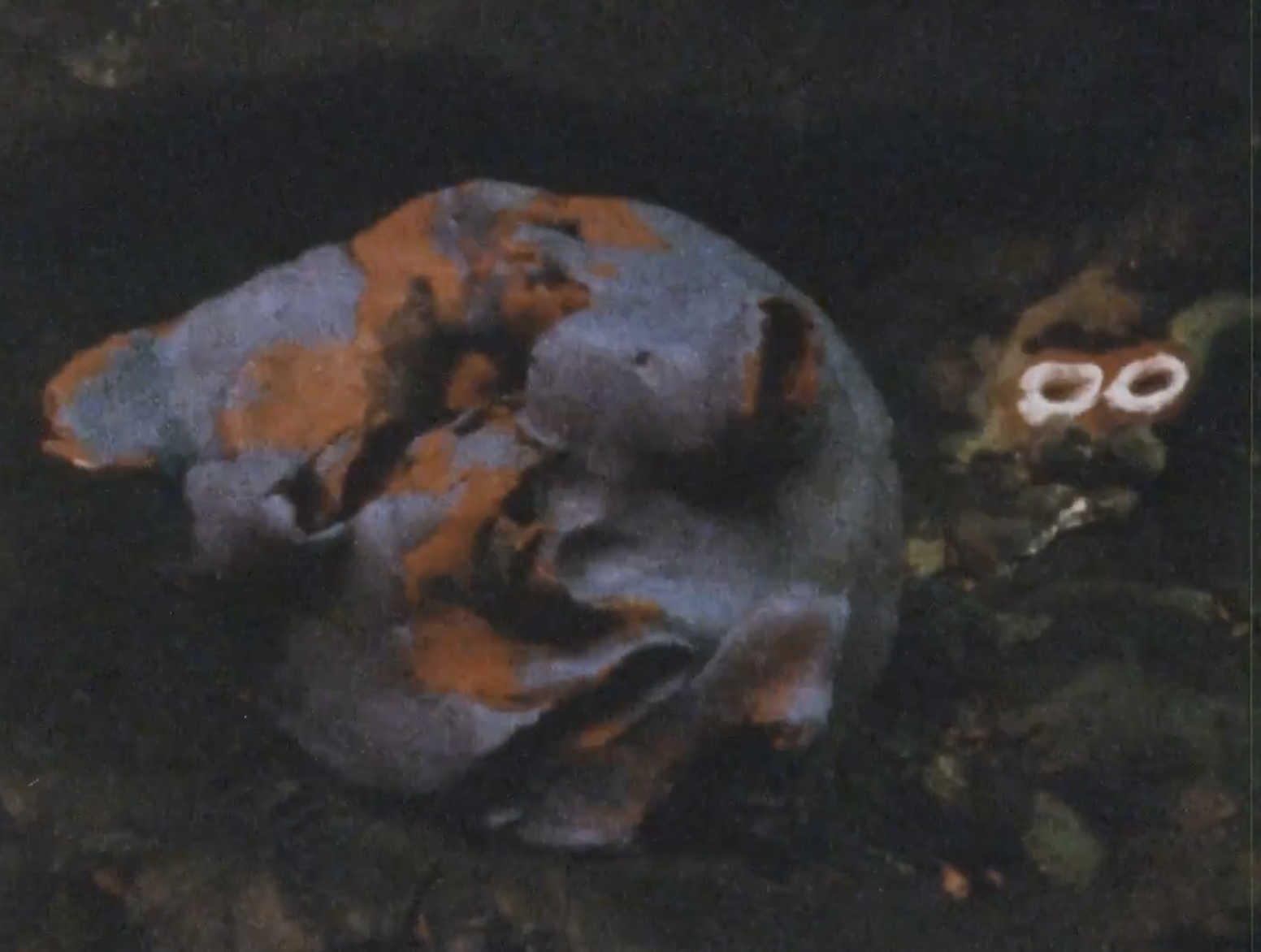
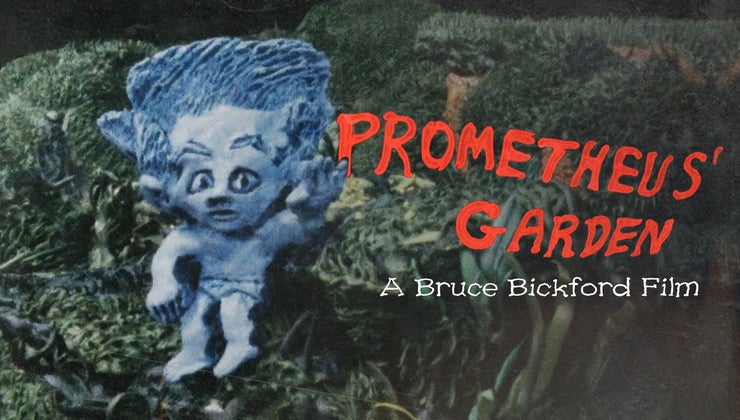
Transition from Prometheus' Garden (1987) by Bruce Bickford
Always a fan favourite. Can be either freeform or sculpted around a skeleton. Clay animation is a form of stop-motion where malleable plasticine figures are incrementally reshaped and photographed frame by frame to create the illusion of movement. It’s prized for its tactile, handmade look and has been used for everything from children’s television to surreal, adult-oriented art films. Clay King Bruce Bickford creates frenetic, grotesque metamorphoses, sculpting one repulsive and utterly fascinating hellscape after another.
#3 Figurines
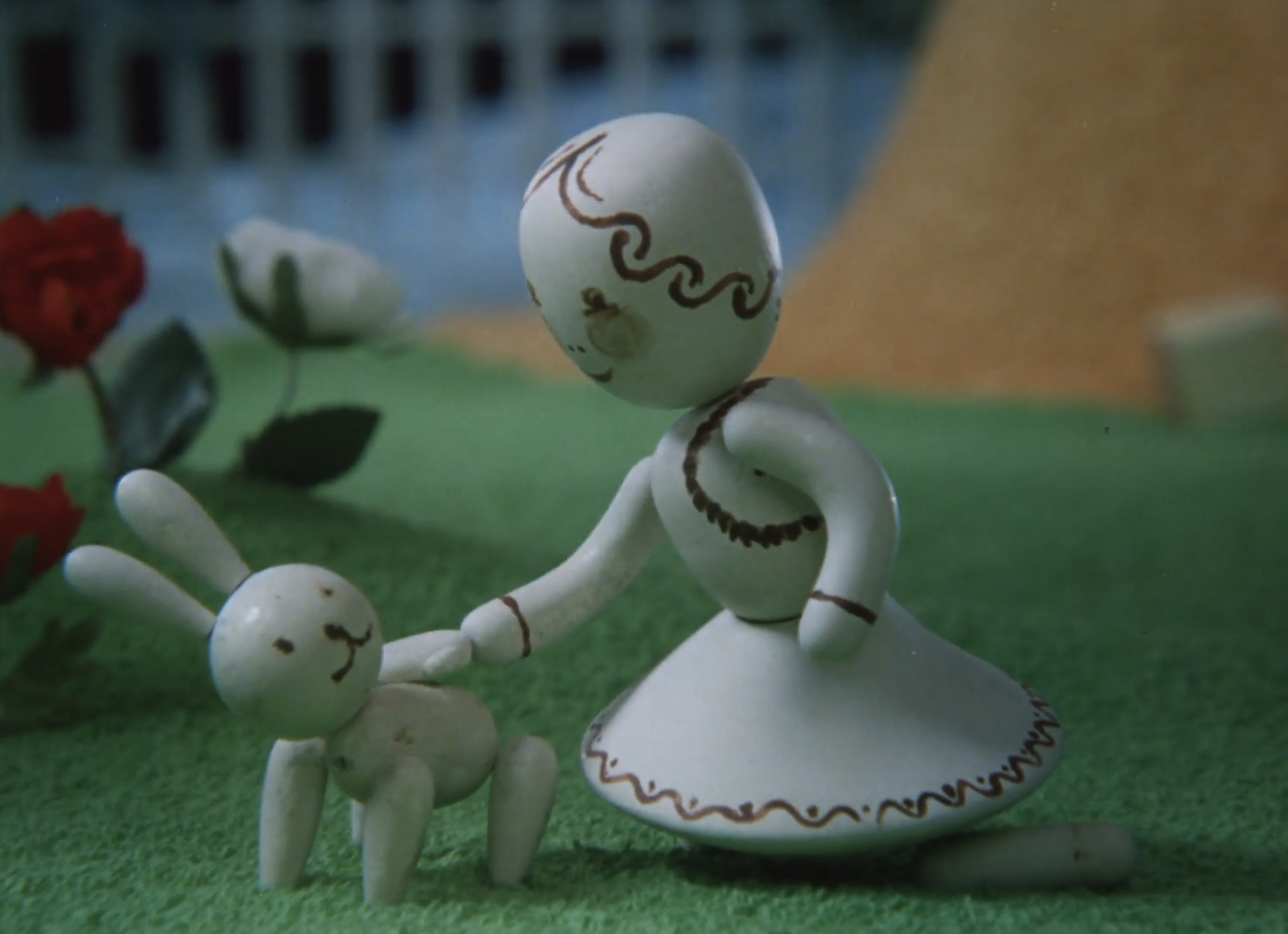
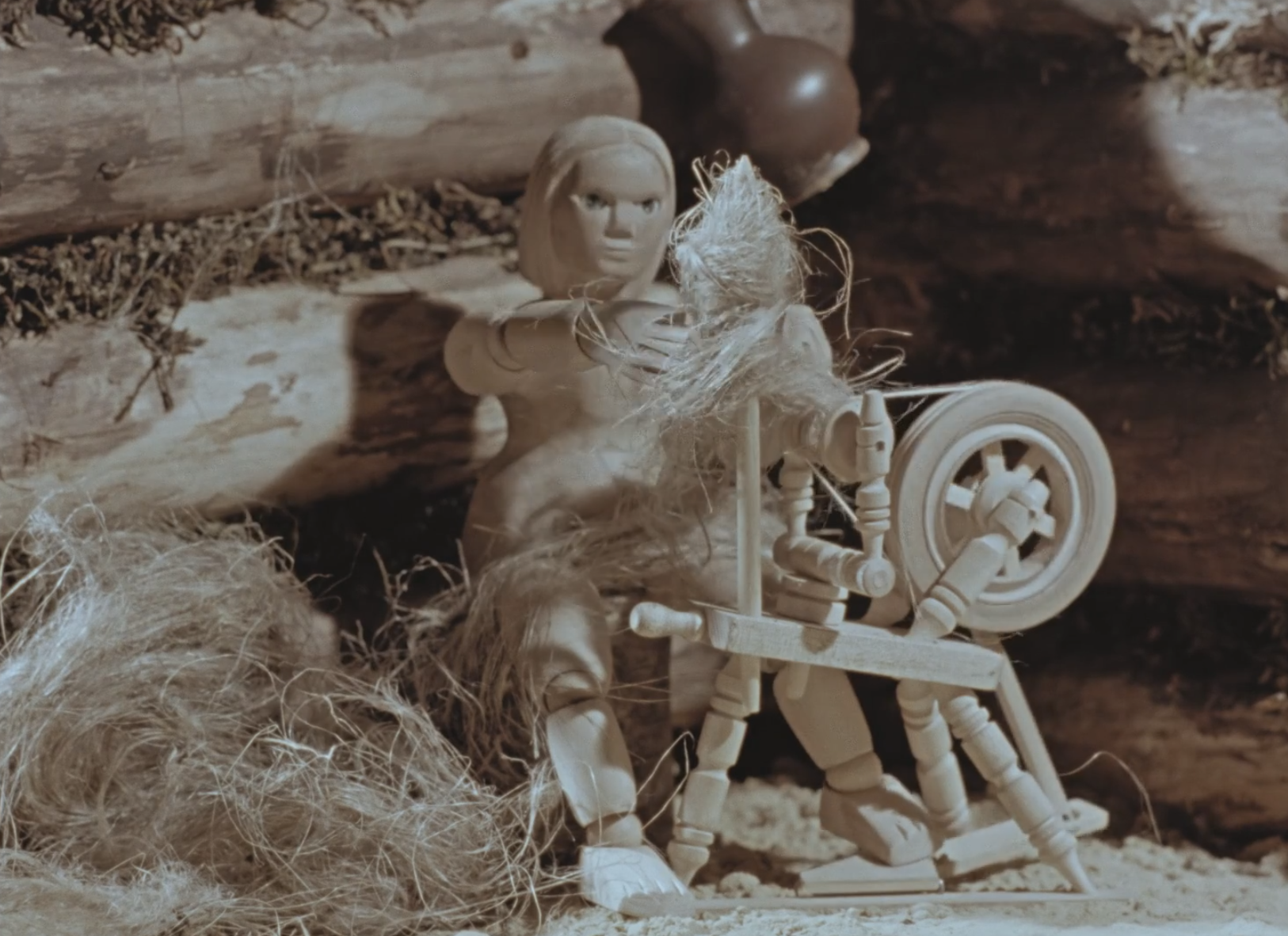
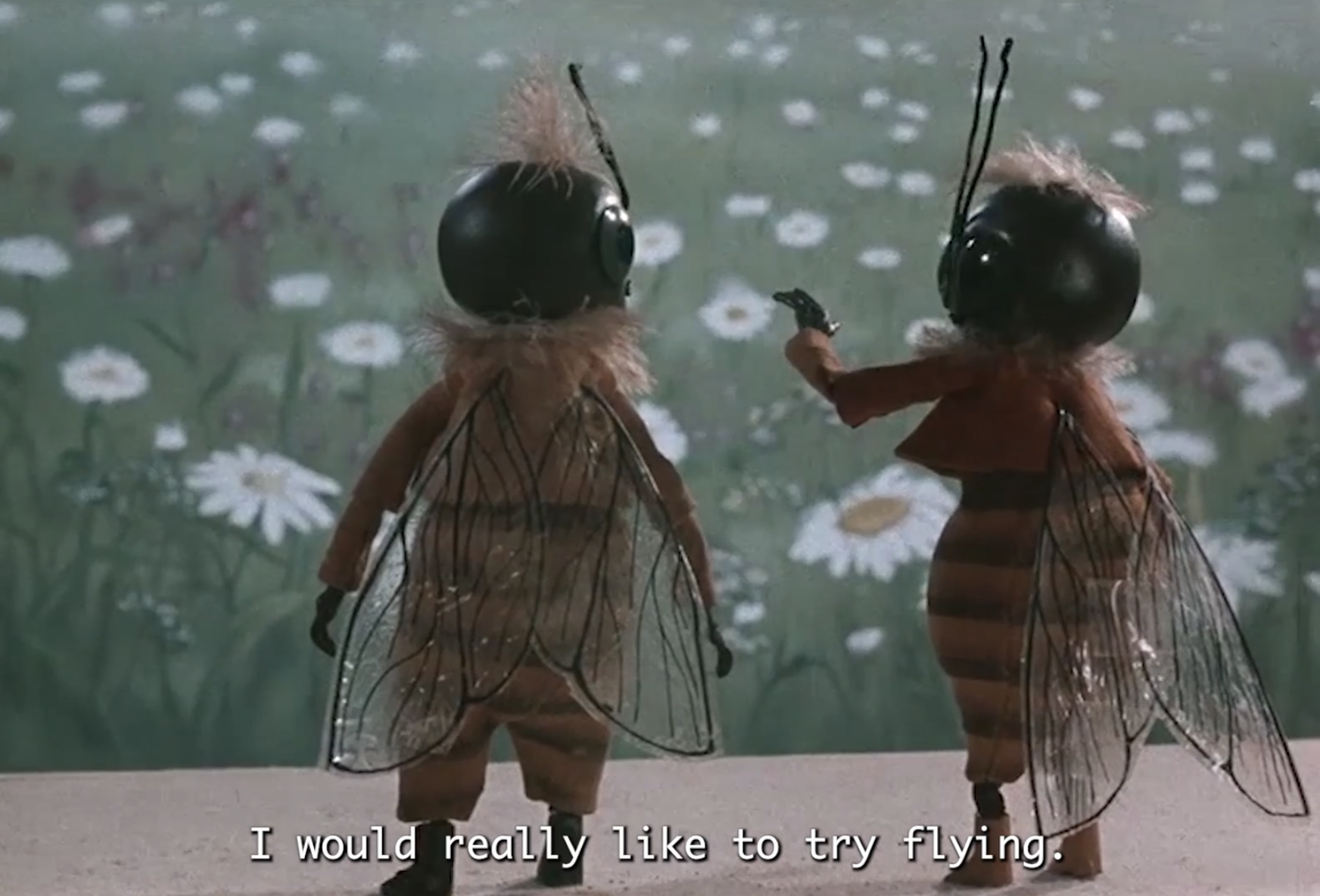
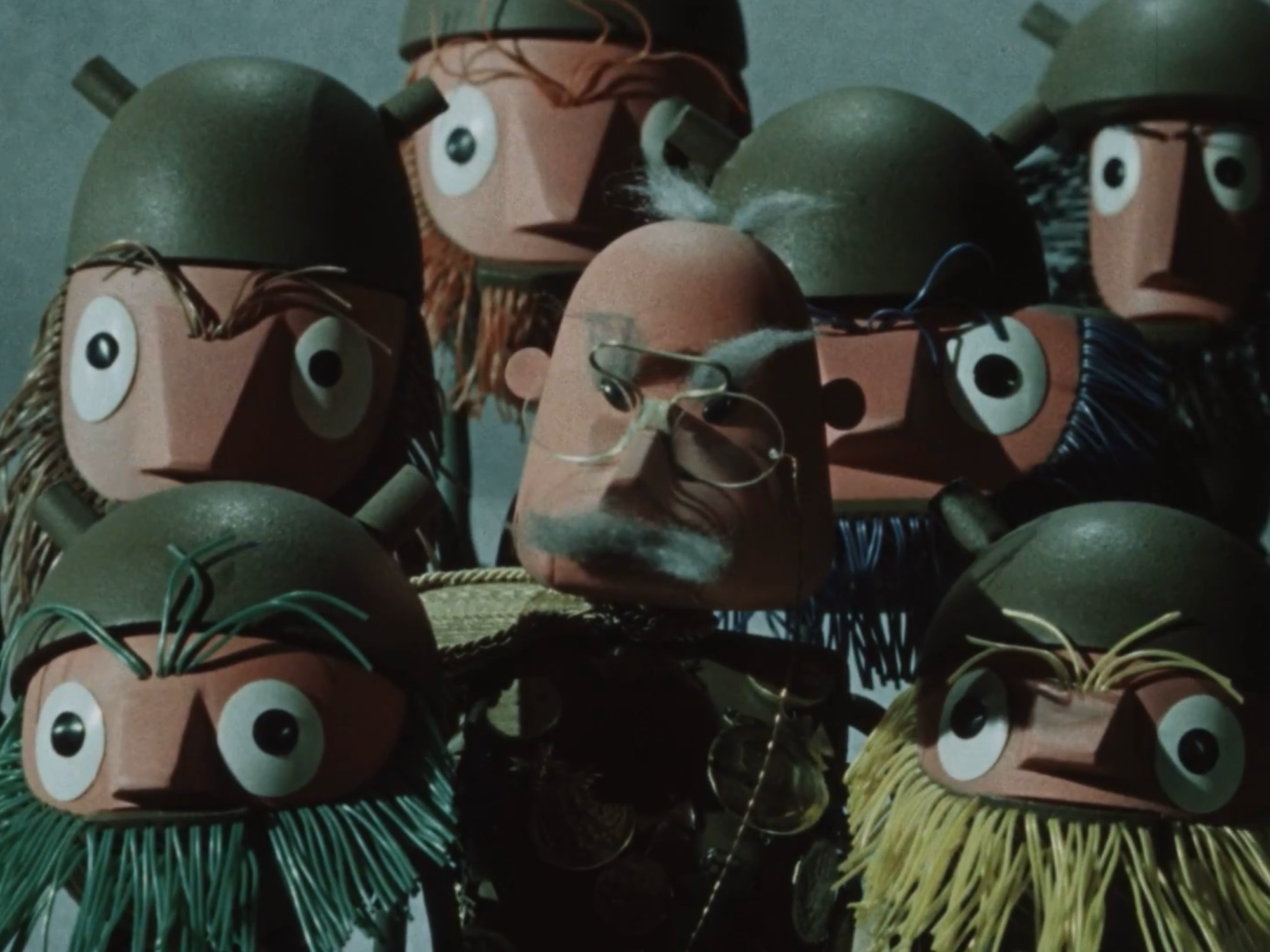
Top: The New Red Riding Hood (1980), Polish Frights (1973), Bottom: City of the Honey Masters (1983) and Atomic and the Goons (1970)
In contrast to puppet animation, which generally utilizes strings and soft materials, figurine animation uses hard materials and jointed models. Animators use rigid, sculpted stone, porcelain, plastic, glass, or wooden models to create weightier, toy-like movements.
#4 Cutout
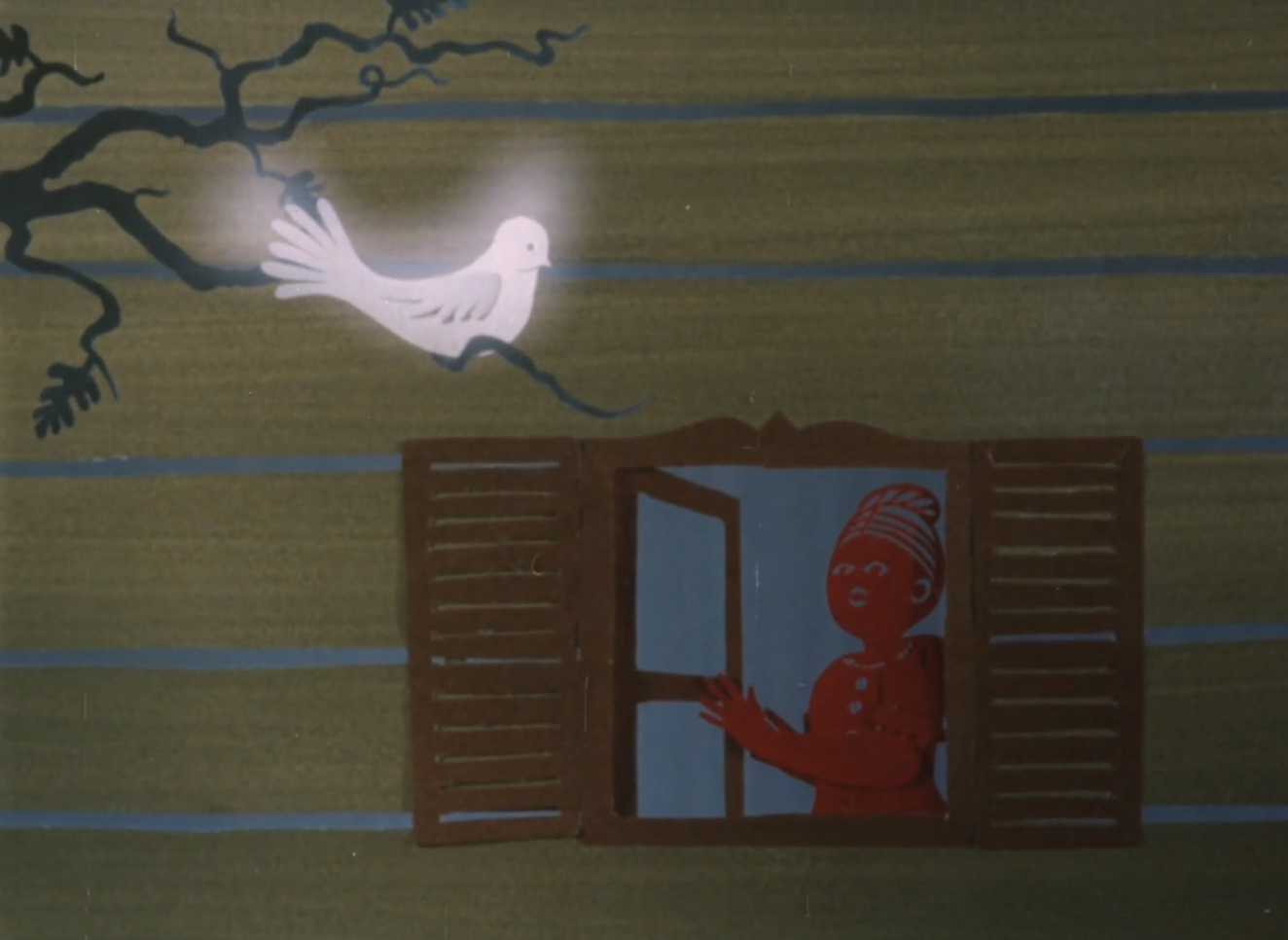
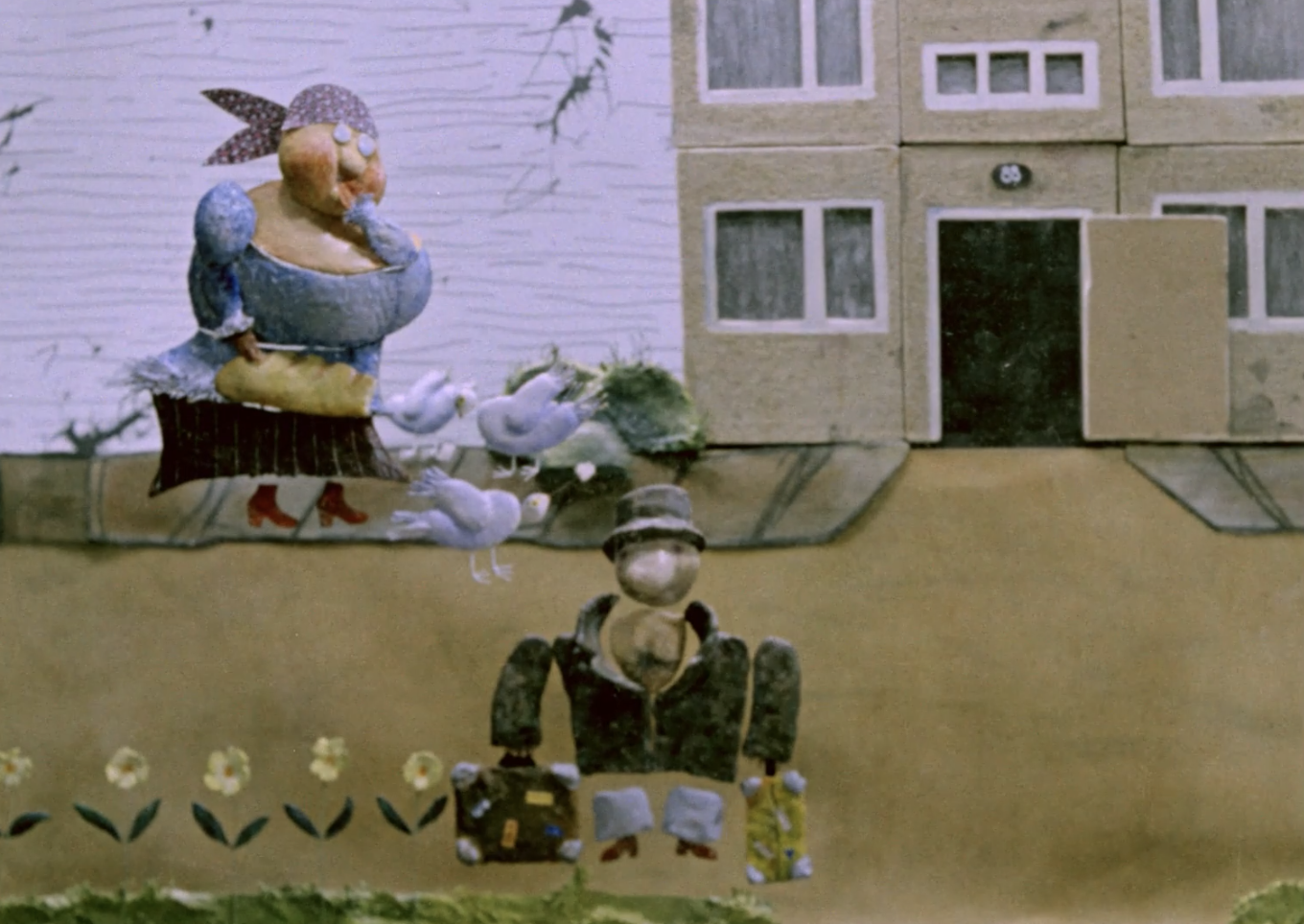
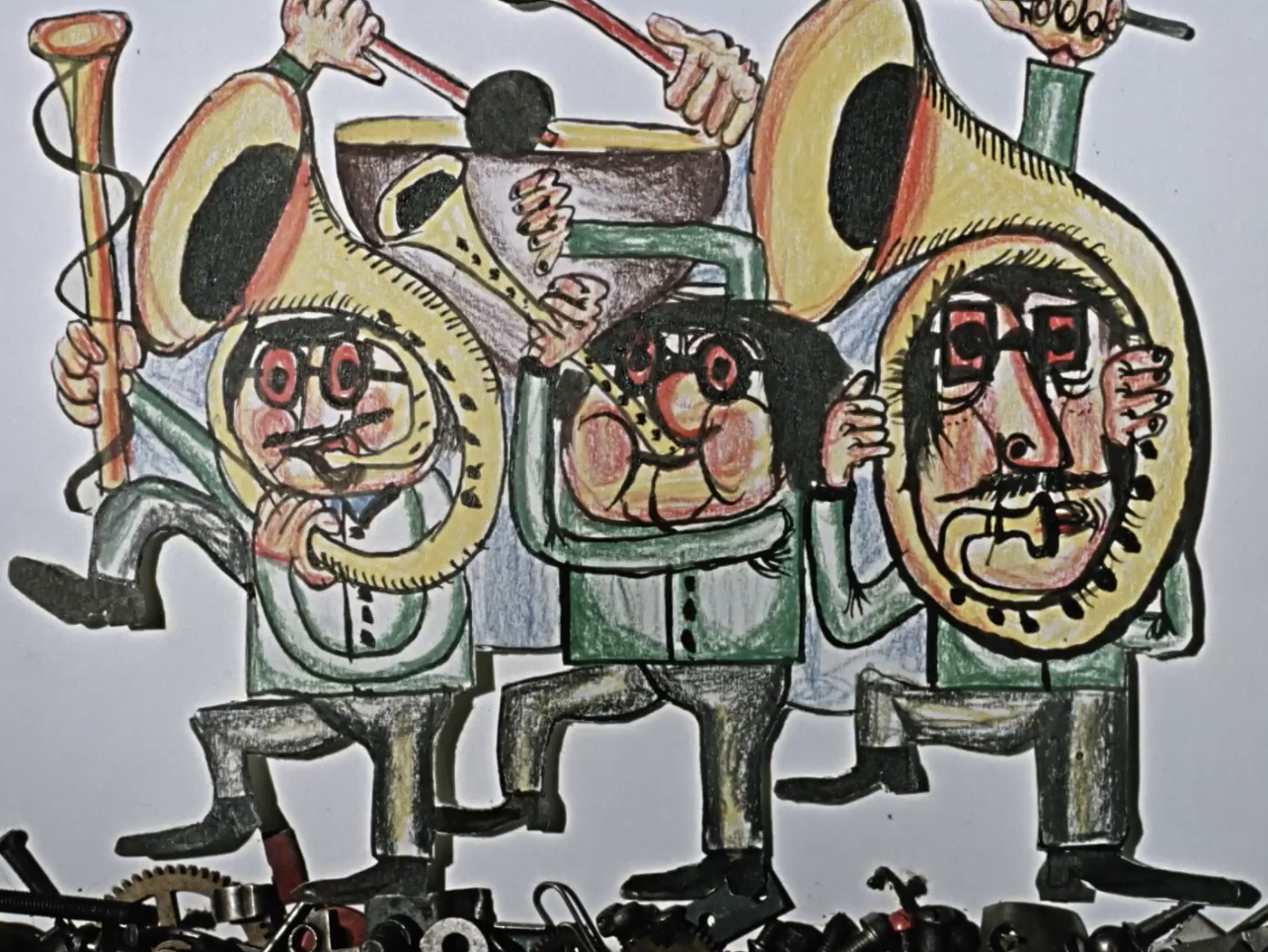
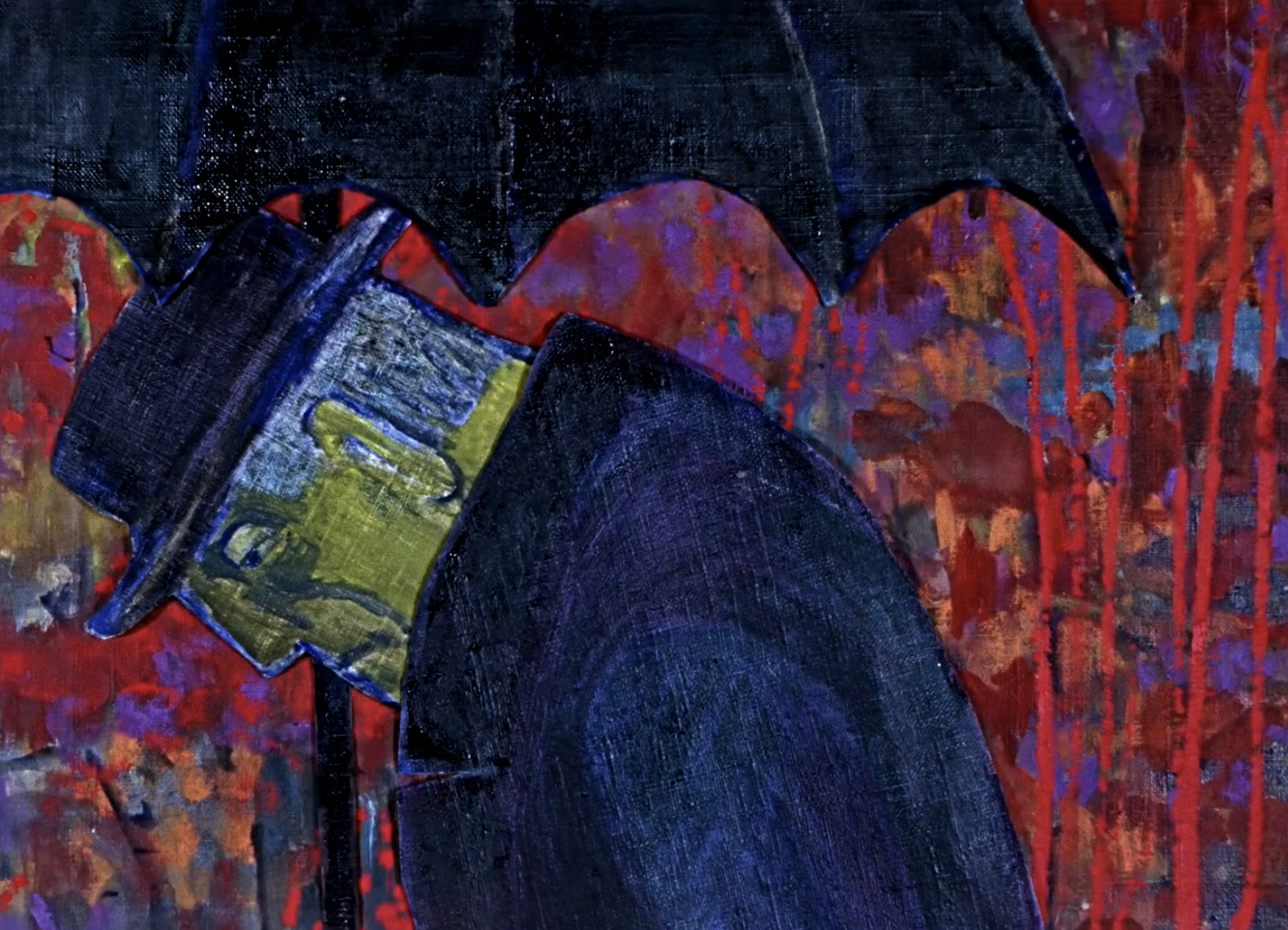
Top: A Small Pigeon (1981), The Pigeon Lady (1983) One Thousand and One Trifles (1972), Bottom: Libido (1967), The Stoker (1979)
Cutout animation uses flat, articulated shapes—usually paper or fabric—moved incrementally across a glass surface under a camera to create motion, producing a graphic, collage-like aesthetic. Notably the style used in South Park, although they did switch to a computer-generated version of cutout after the first episode.
#5 Pinscreen
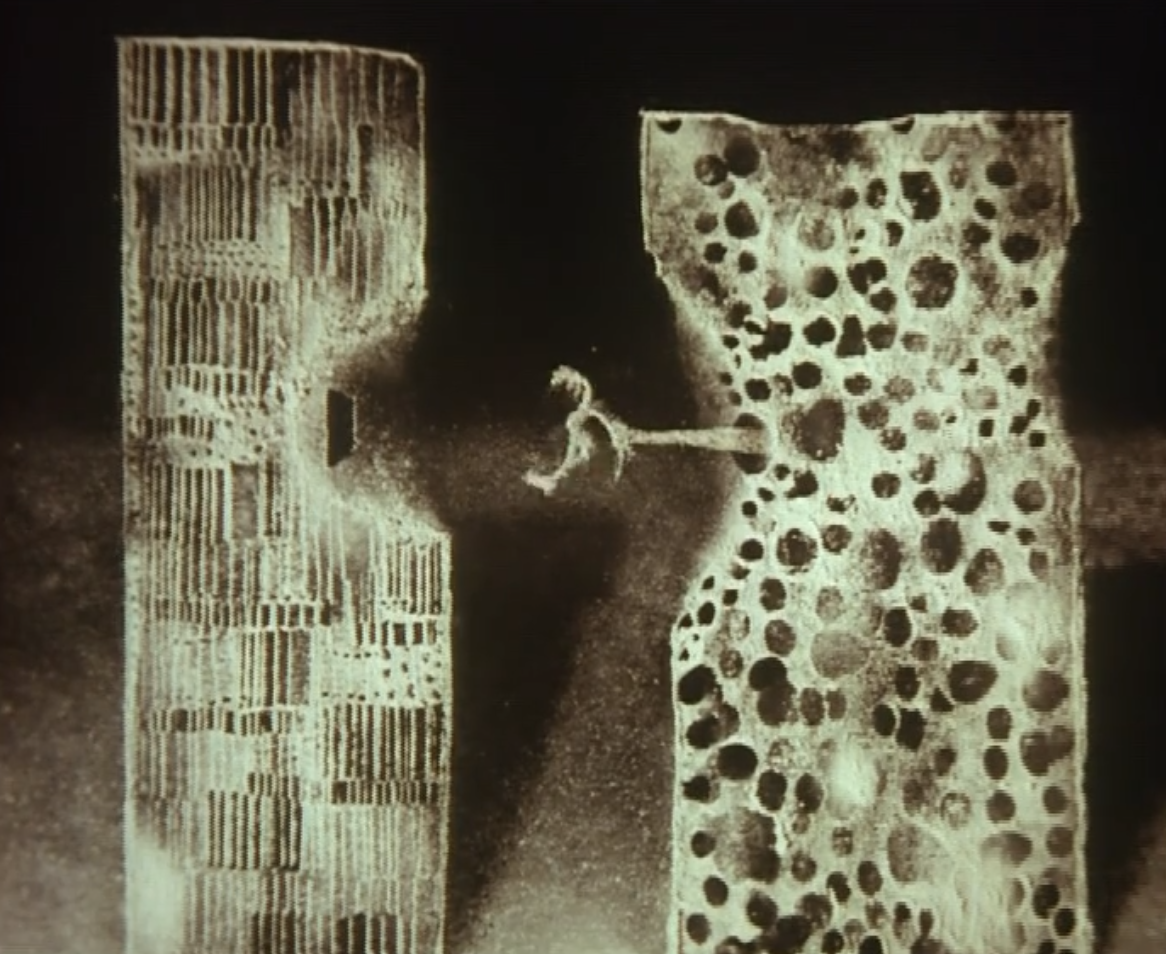
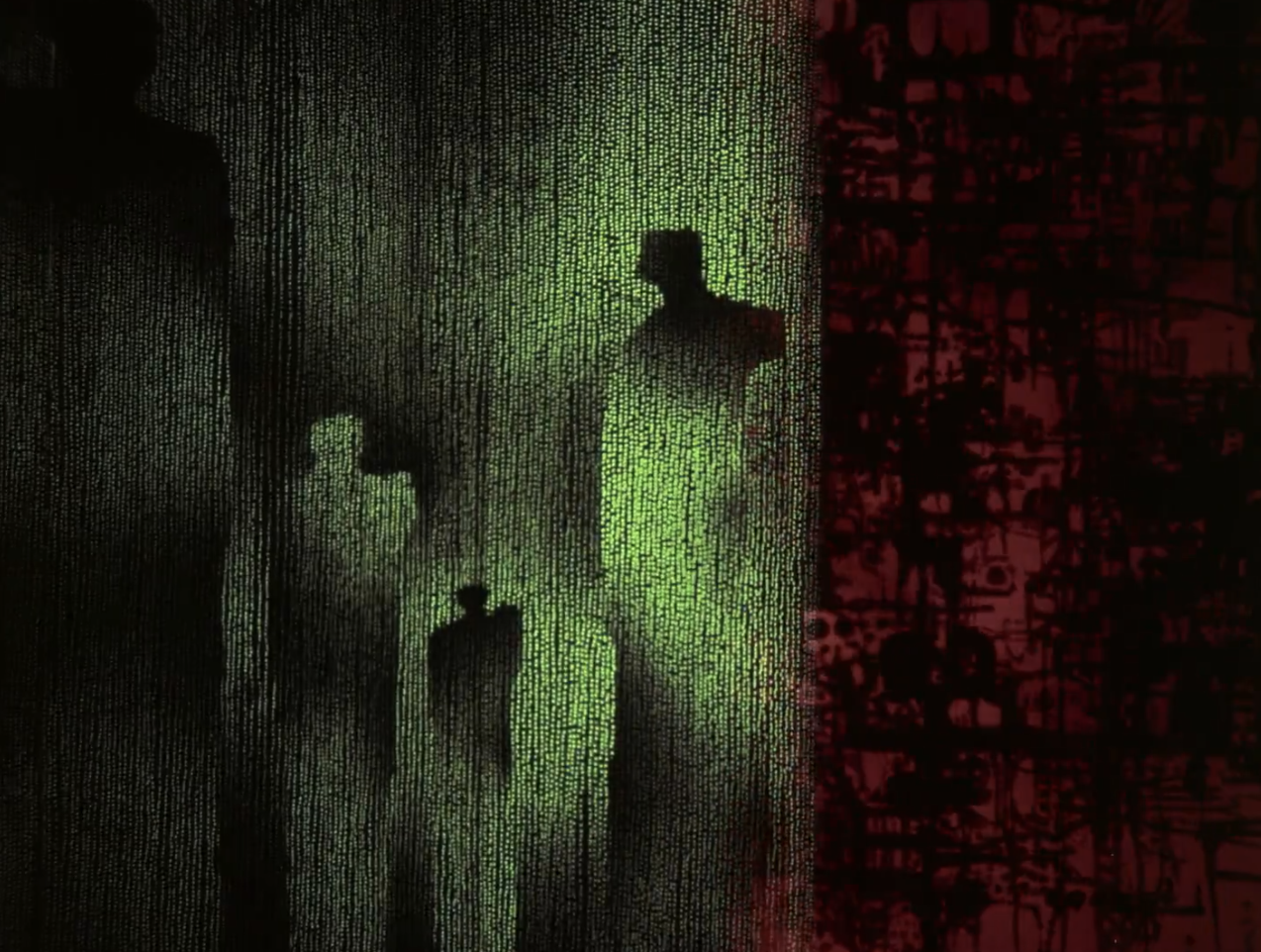
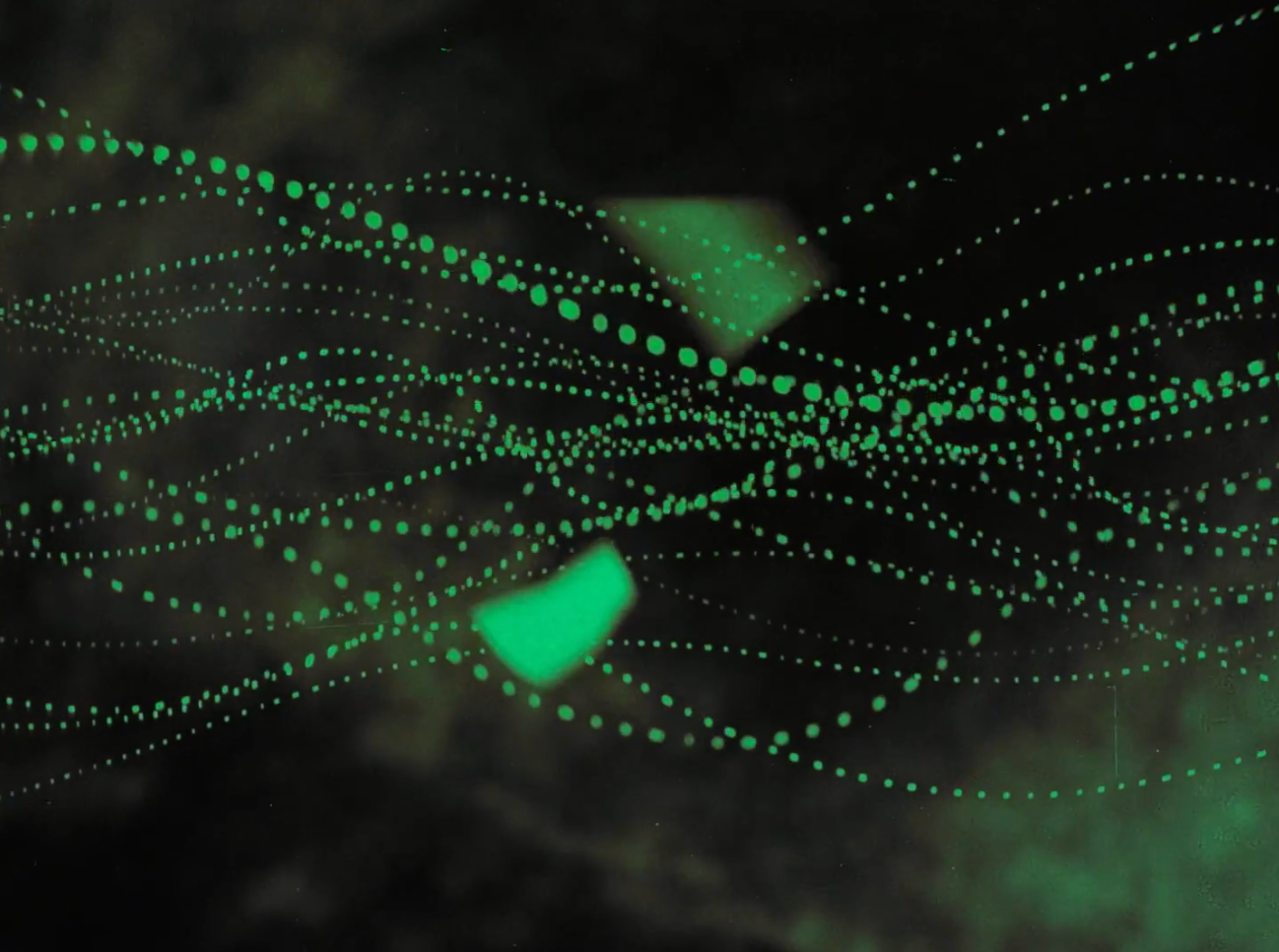
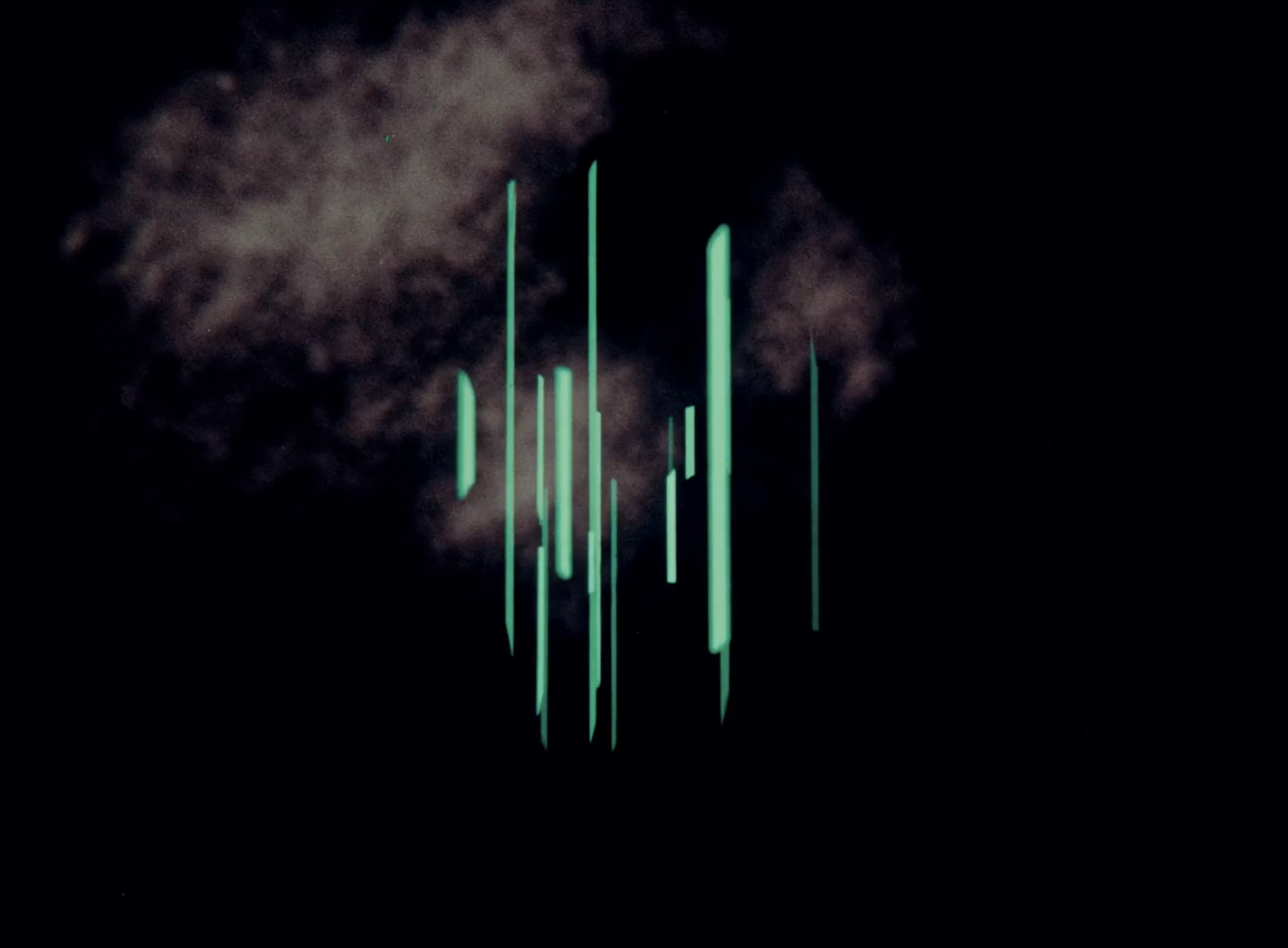
Top: The Green Planet (1966), Labyrinth
Pinscreen animation creates images by pushing thousands of movable pins in and out of a screen to form light-and-shadow compositions that shift between frames. Piotr Kamler used pinscreen to create a shimmer effect in his abstract works, and to enhance backgrounds in his mixed media animations.
#6 Paint
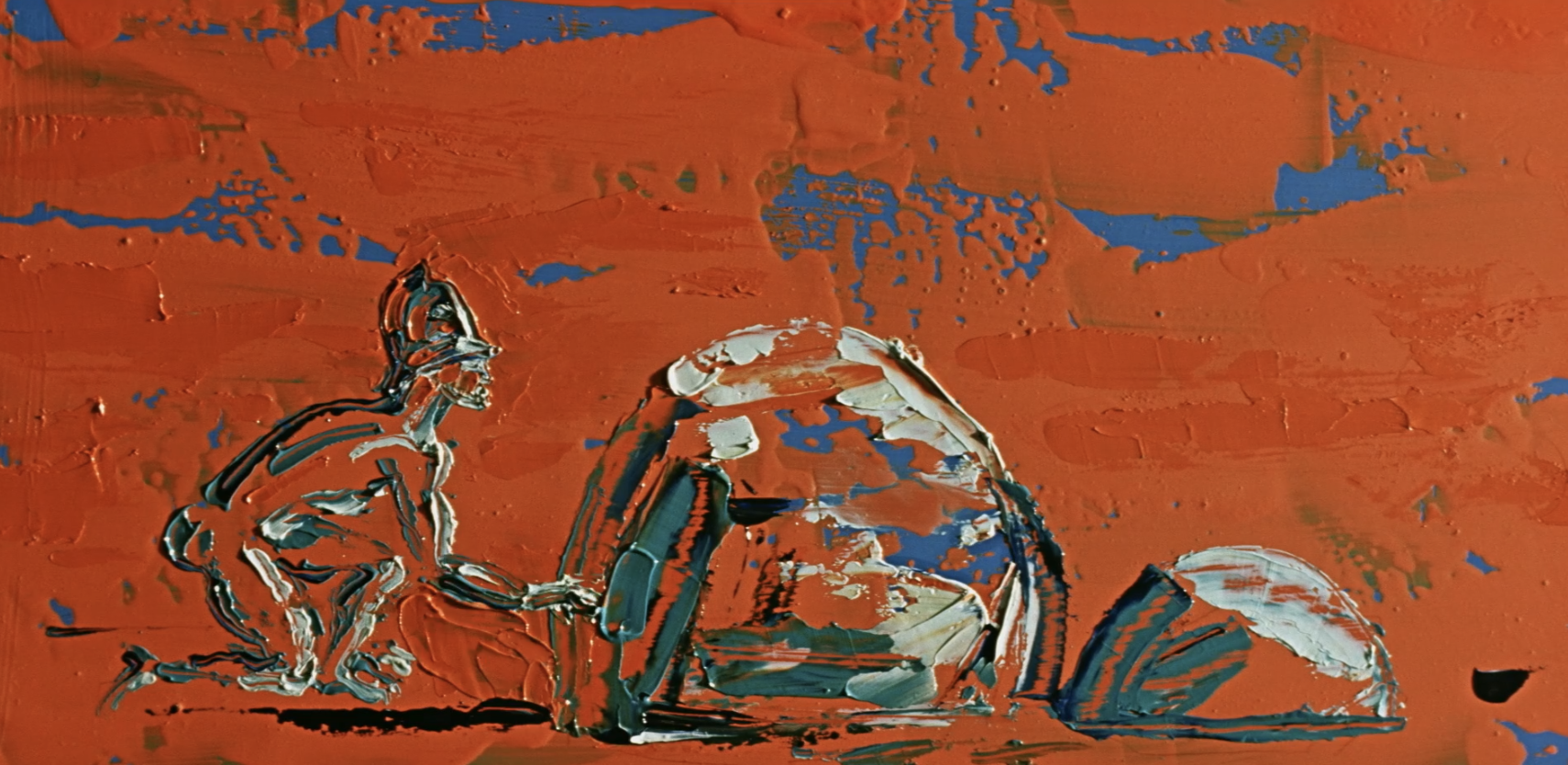
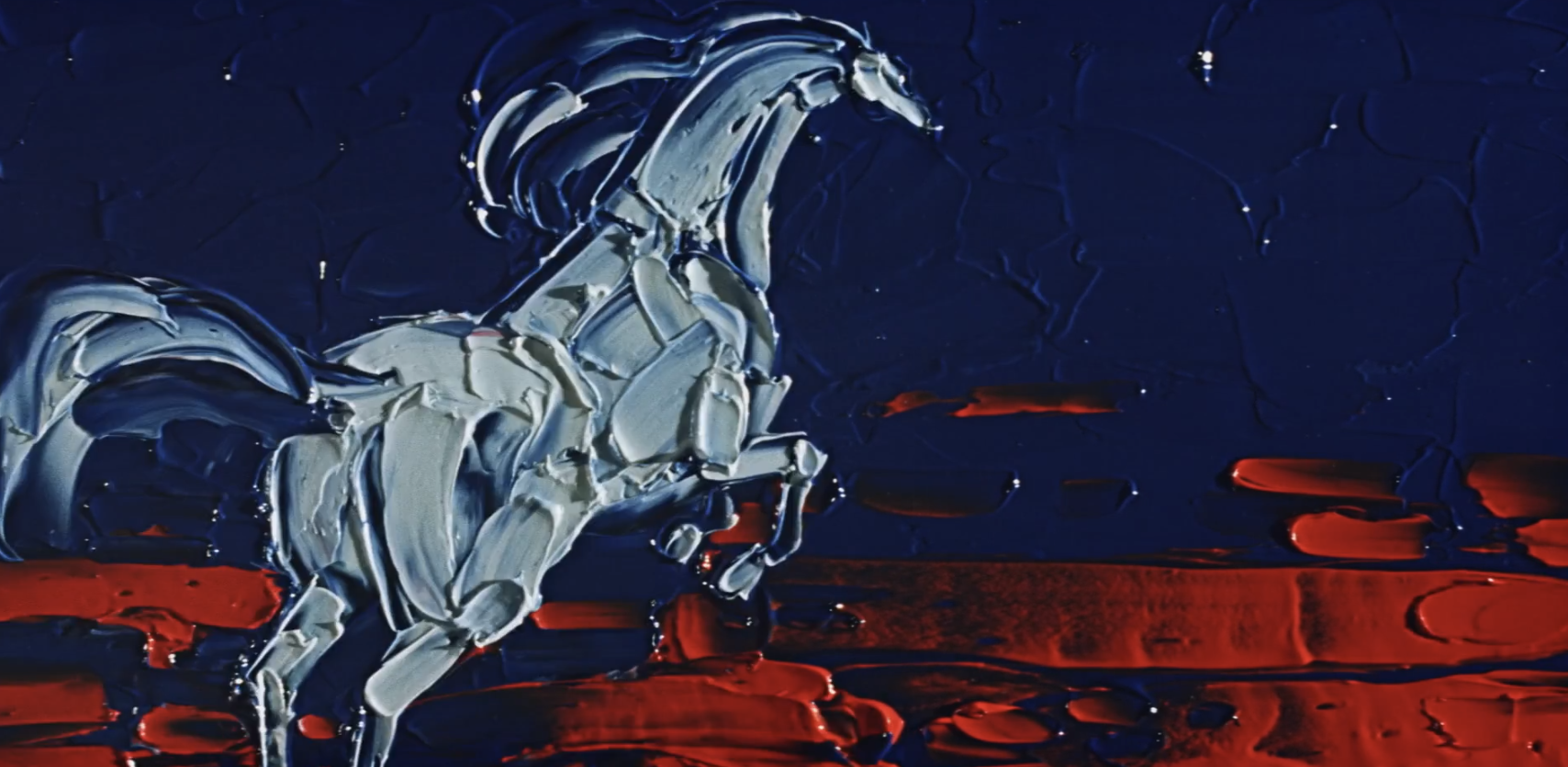
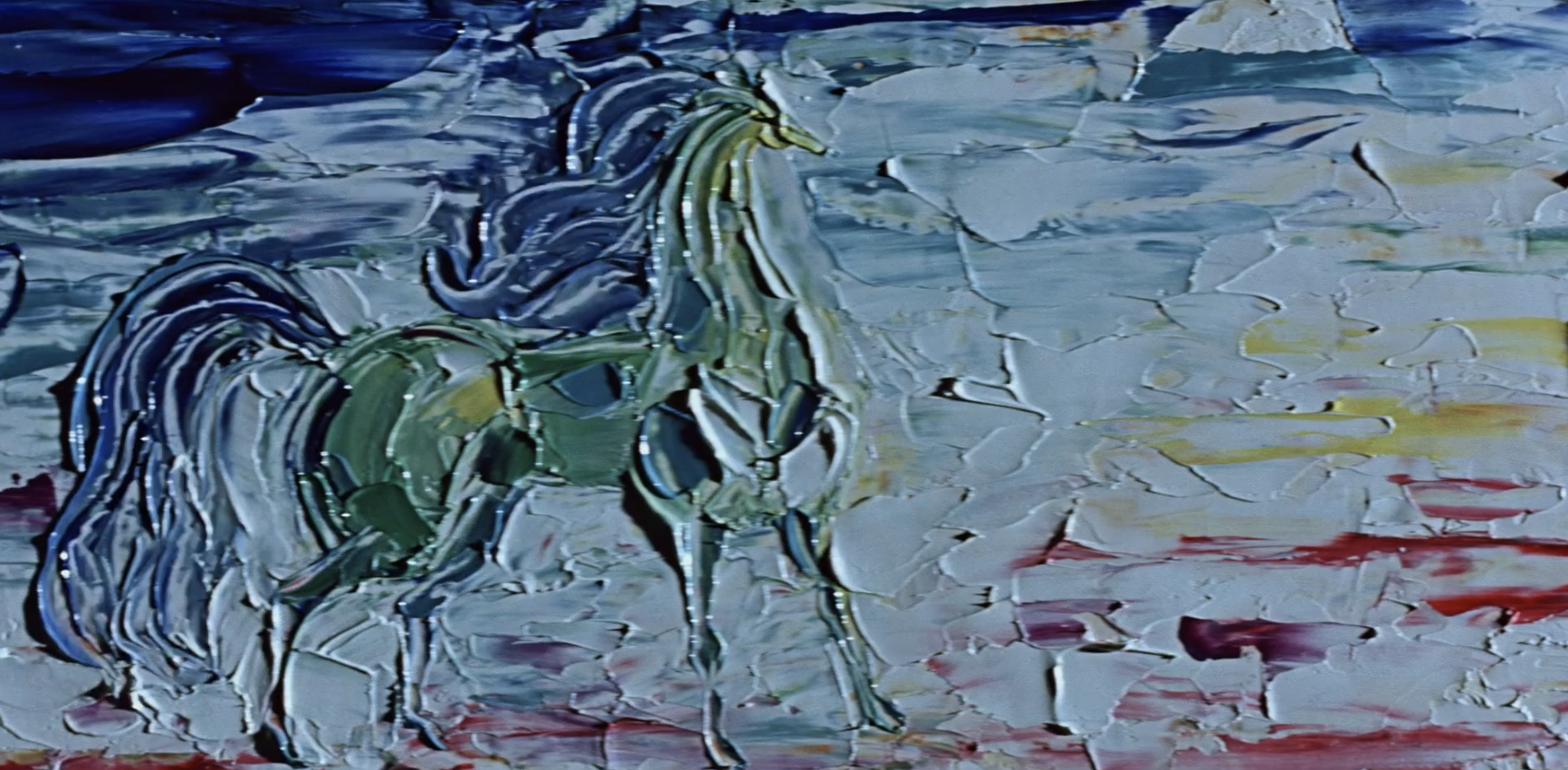
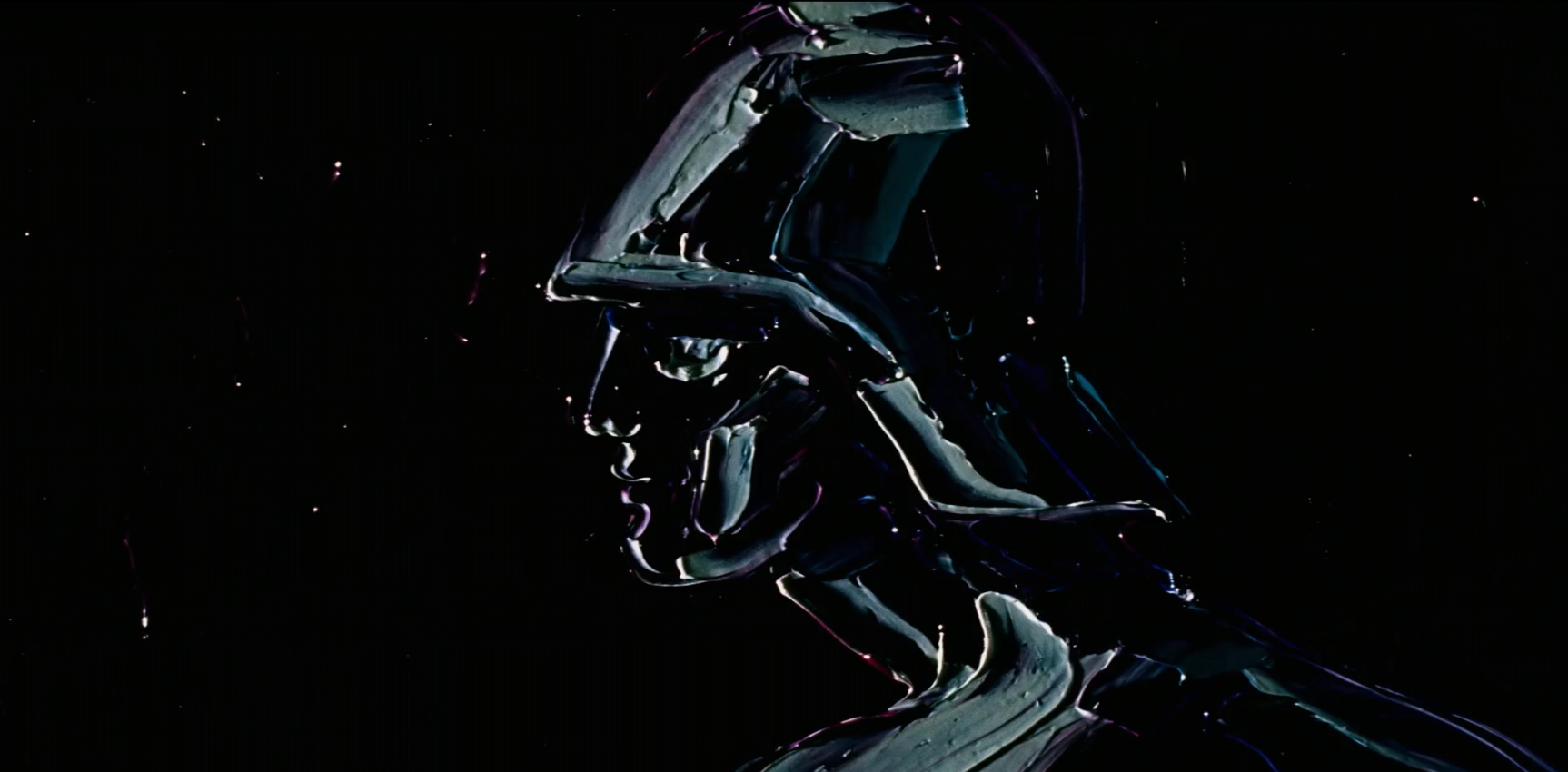
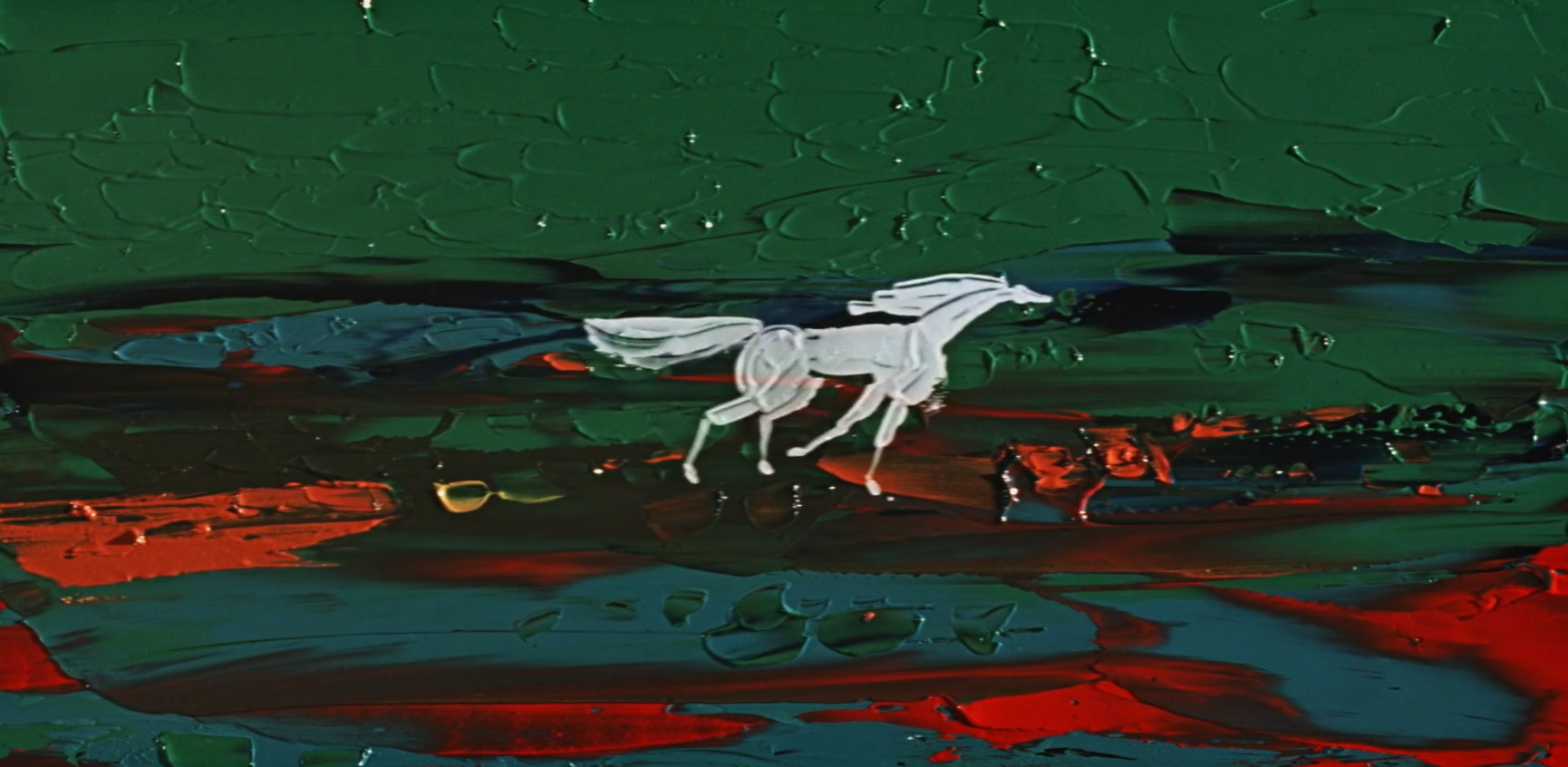
Horse (1967) by Witold Gierz
Extremely rare card. Seen here in Horse, paint animation is a visually spectacular technique of painting on a surface directly under the camera, and developing the painting frame-by-frame. Giersz applied an oil paint on a board under the camera, then modified and photographed it repeatedly to create the illusion of movement. Absolutely majestic work Witold.
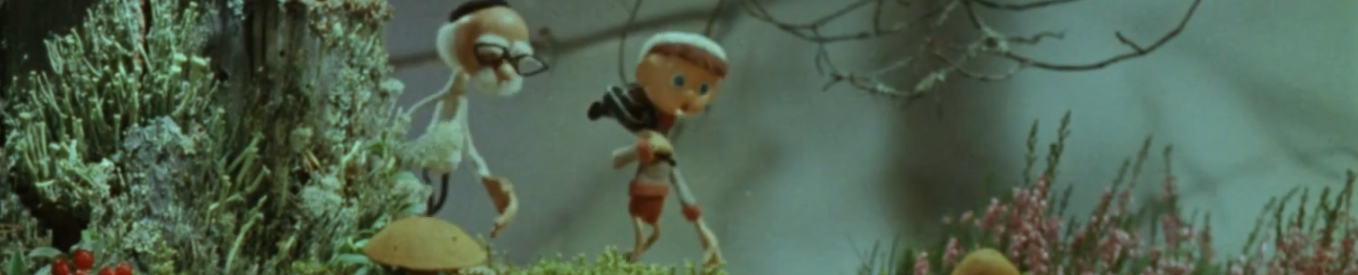
So this concludes our guide to stop motion! Hopefully you learned a little something about human creativity, and picked up a few recommendations along the way. Our stop motion film count is currently hovering around seventy, and the list is always growing. Now go check these films out on our platform if you haven't already! An epic film journey still awaits you :)
Thanks very much for reading, and please enjoy the collection!