Raymond Briggs, best known as the writer and illustrator of beloved children’s books such as Fungus the Bogeyman, Father Christmas, and the holiday classic The Snowman, ventured into far darker territory with his 1982 graphic novel When the Wind Blows. Maintaining the same simple, pencil-crayon aesthetic that characterized his earlier work, Briggs employed this deceptively innocent visual style to explore a profoundly adult subject: the aftermath of a nuclear strike. The story emerged during the height of 1980s Cold War anxiety, when the threat of global nuclear war loomed large in the public consciousness. Briggs reportedly conceived the idea after watching a television program on nuclear conflict. A friend jokingly remarked, “There’s your next book, Raymond,” assuming it was the last subject a children’s author would tackle. But the thought of doing that very unlikely thing stuck in Briggs’ mind and he began working on it immediately.
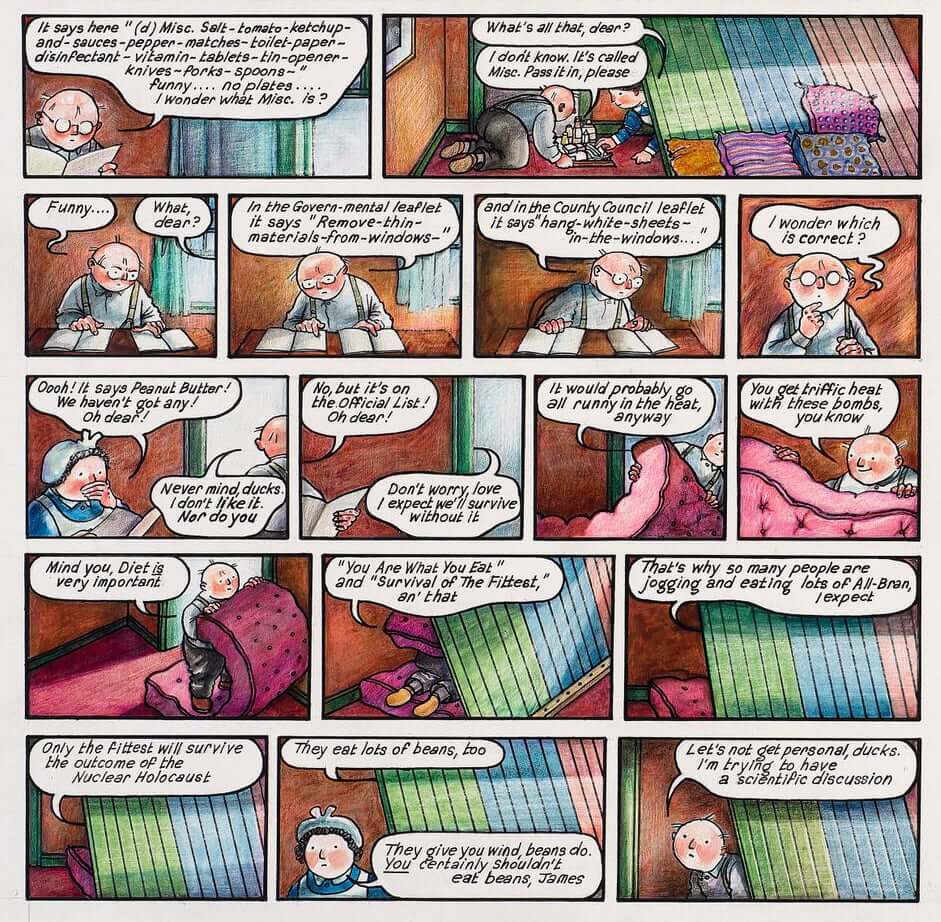
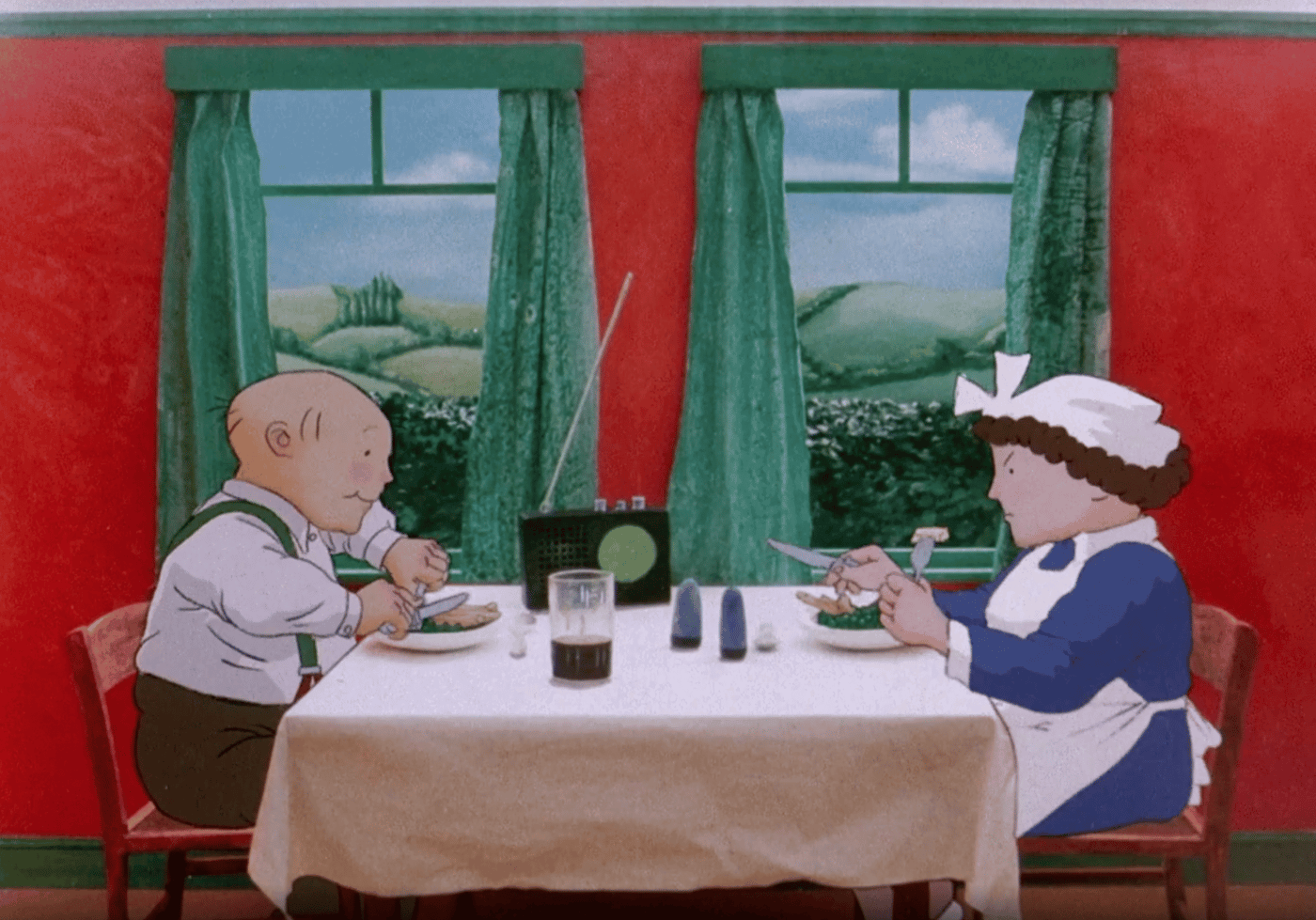
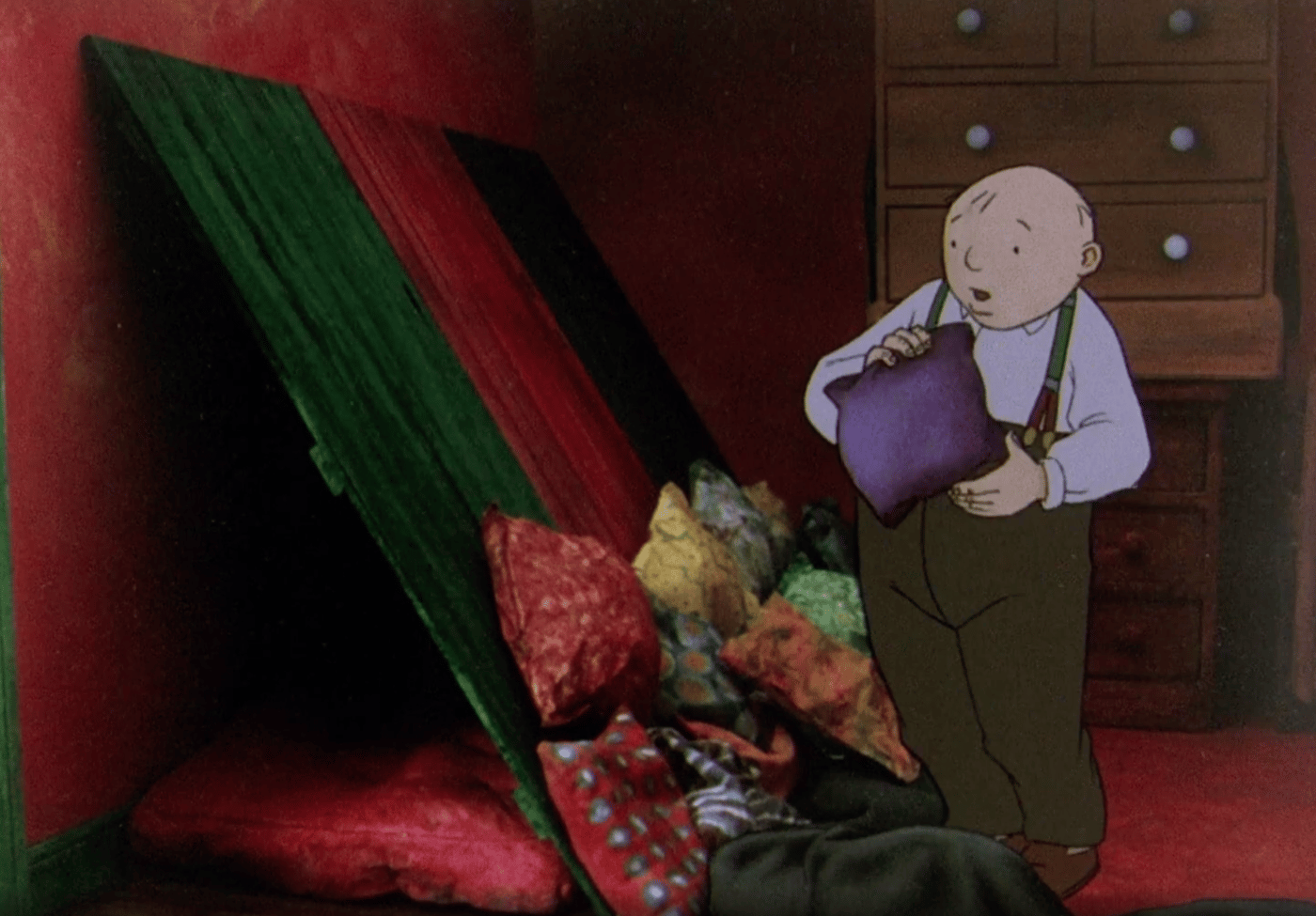
Briggs described the story’s protagonists, Jim and Hilda Bloggs, as “a fairly typical English working-class couple, not as stupid as many people have made out… simple, but not stupid by any means.” Based loosely on his own parents, the Bloggs attempt to follow the Protect and Survive civil defence pamphlets they obtain from the local library in preparation for a nuclear attack. Their faith in government-issued instructions, paired with their lack of understanding of nuclear reality, leads to tragic consequences, as the couple slowly succumbs to radiation poisoning.
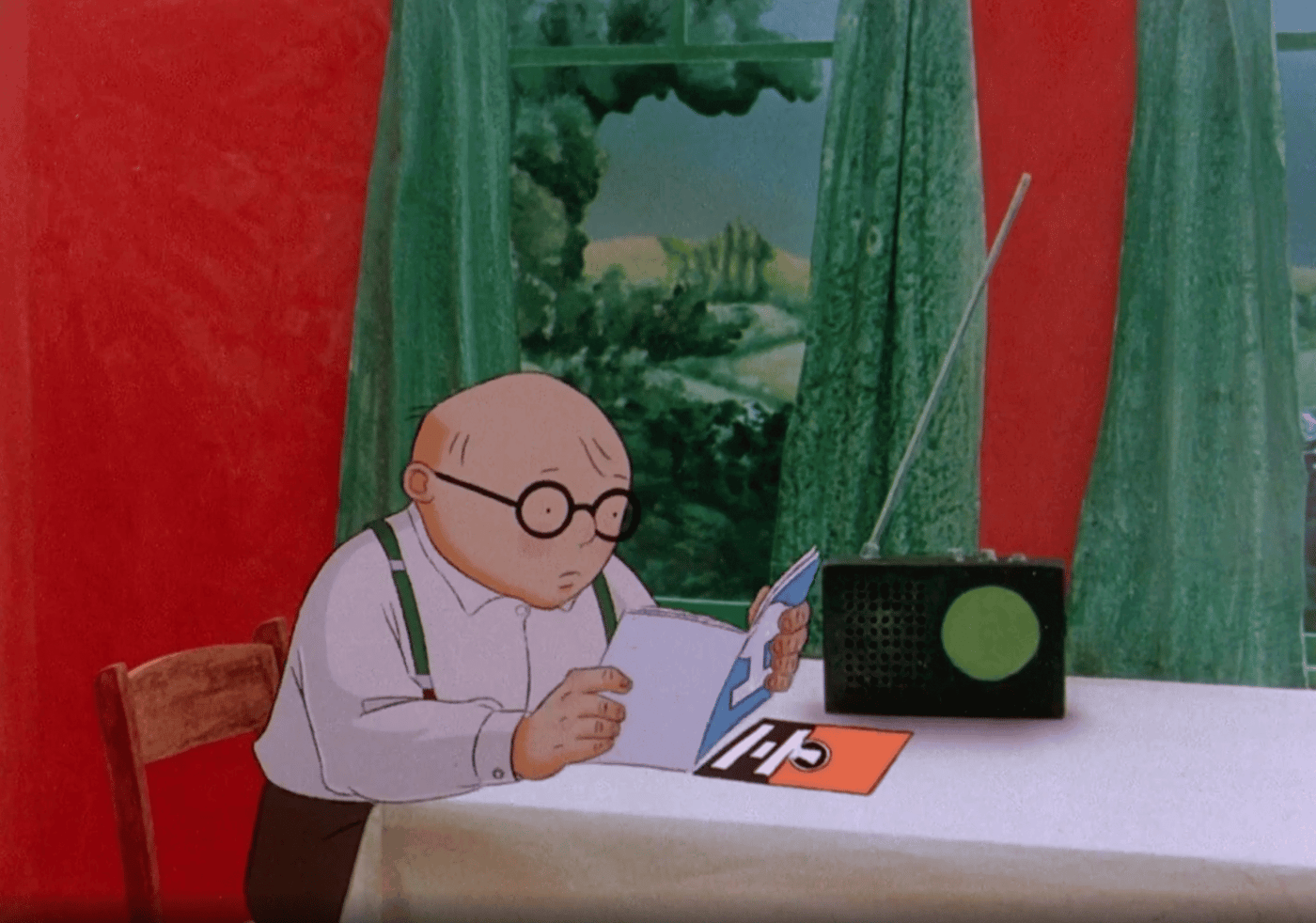

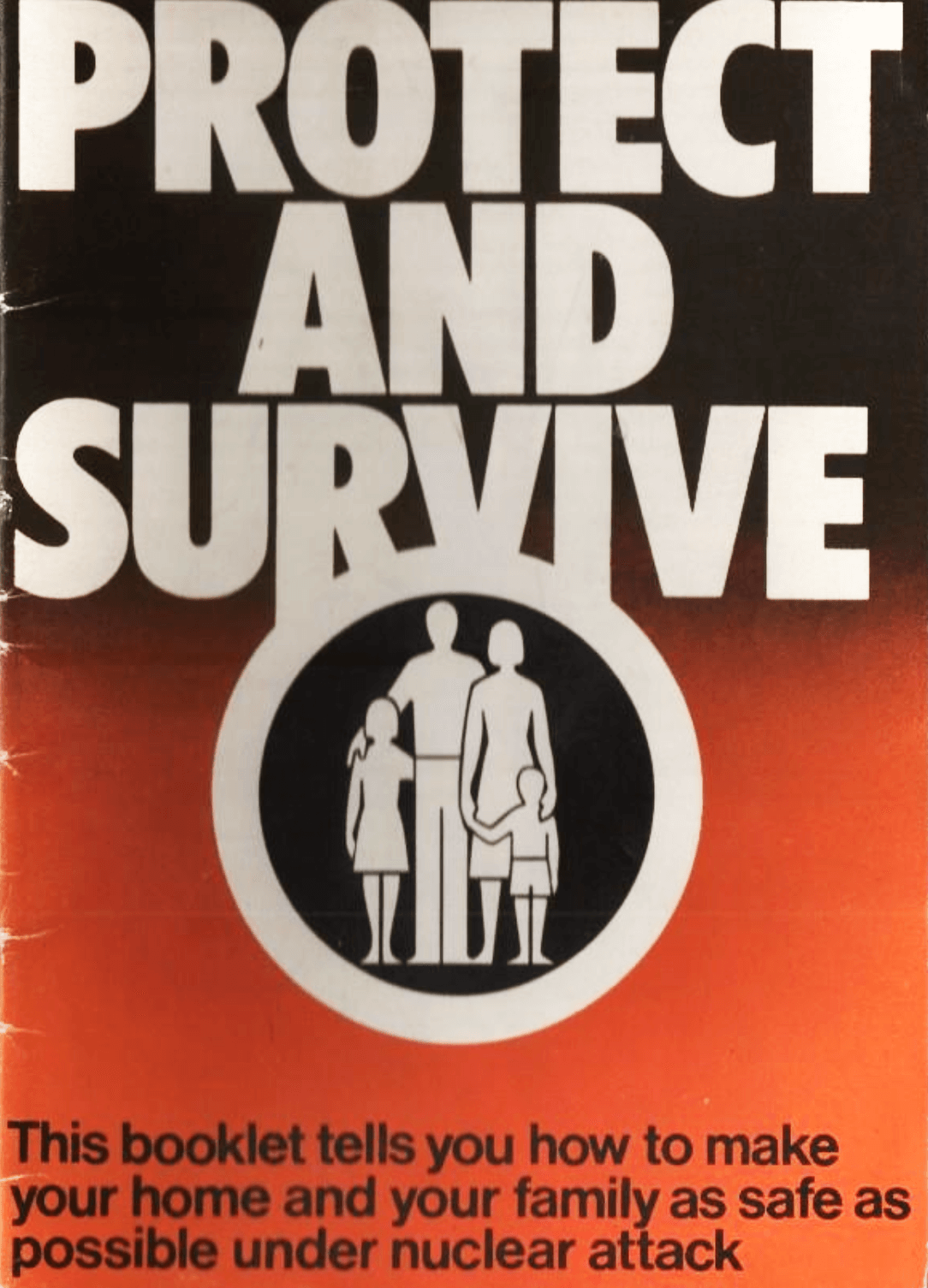
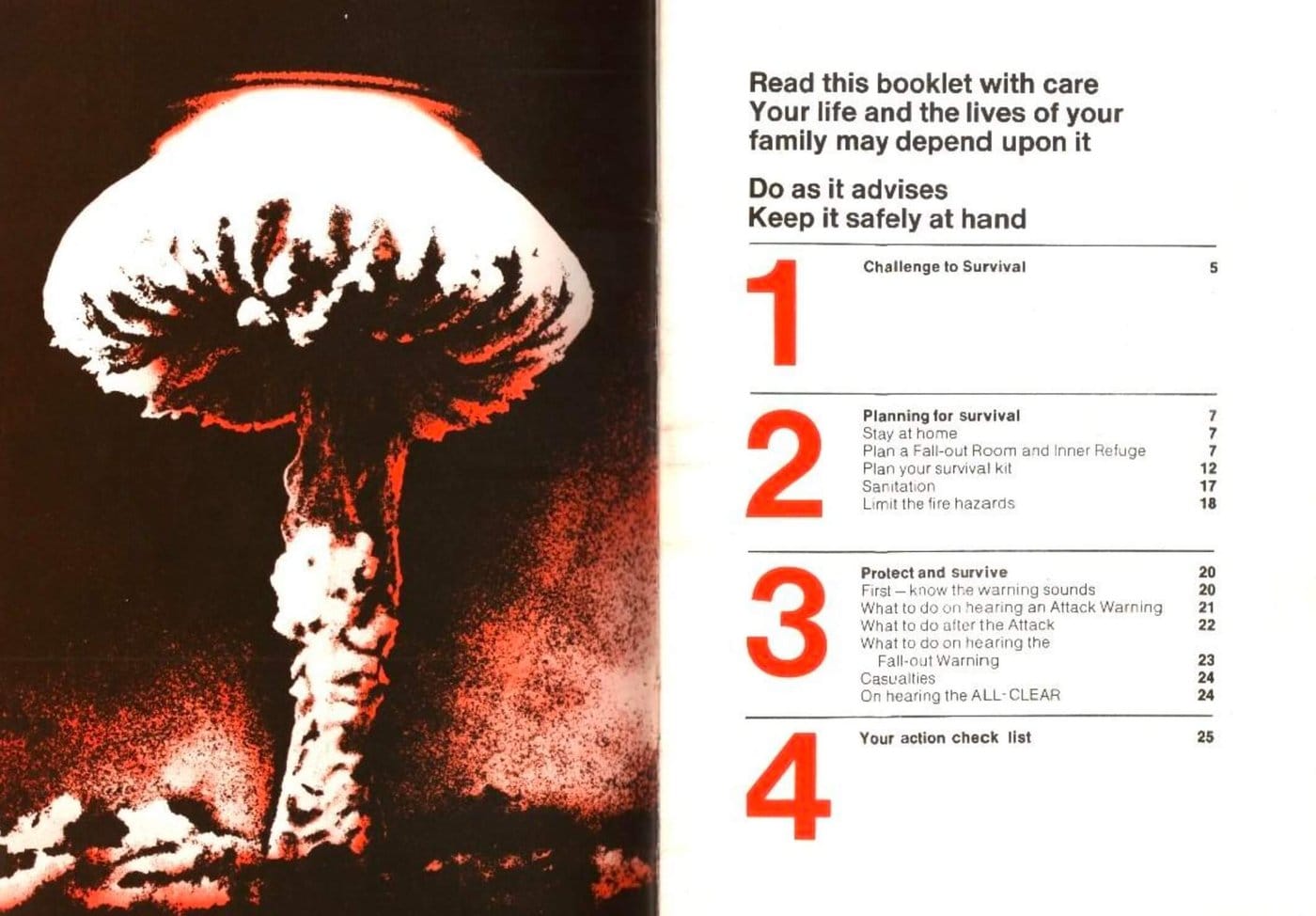
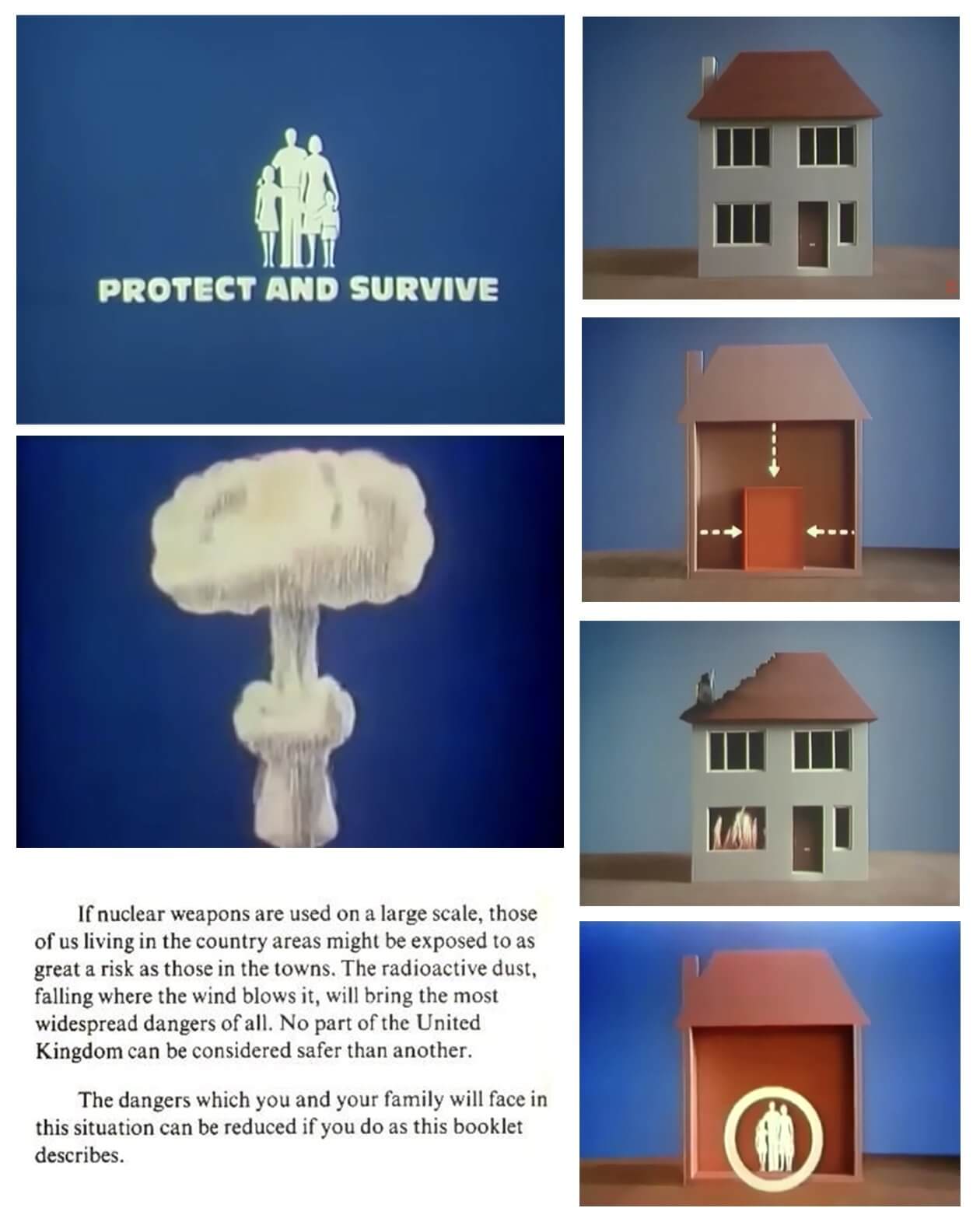

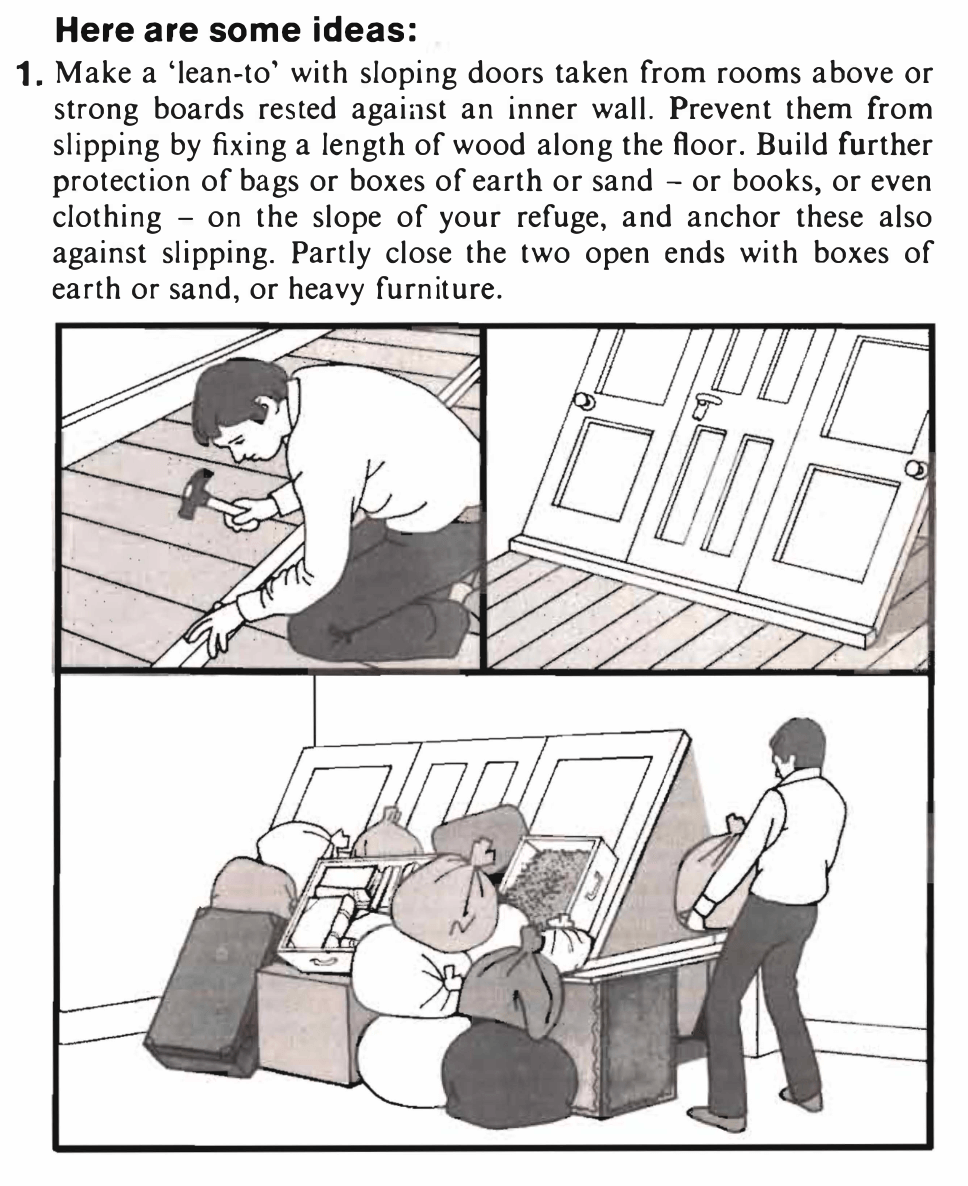
Protect and Survive, originally a public information campaign produced by the British government, consisted of twenty short films intended for broadcast if nuclear attack appeared imminent within seventy-two hours. The sterile, procedural tone of these materials stands in stark contrast to the human despair that Briggs captures through the Bloggs’ naïve trust and quiet endurance.
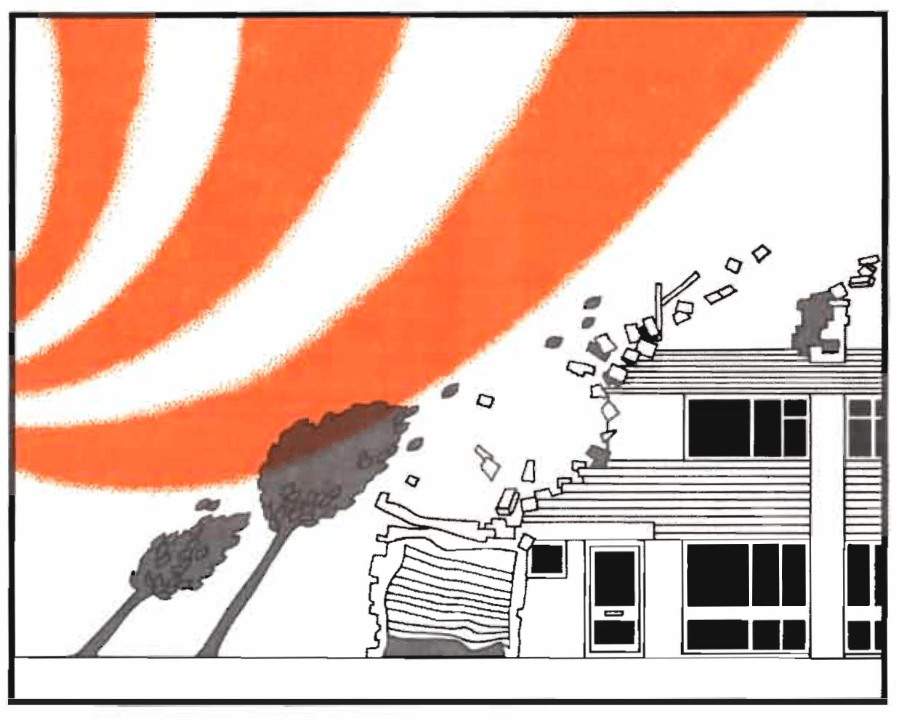
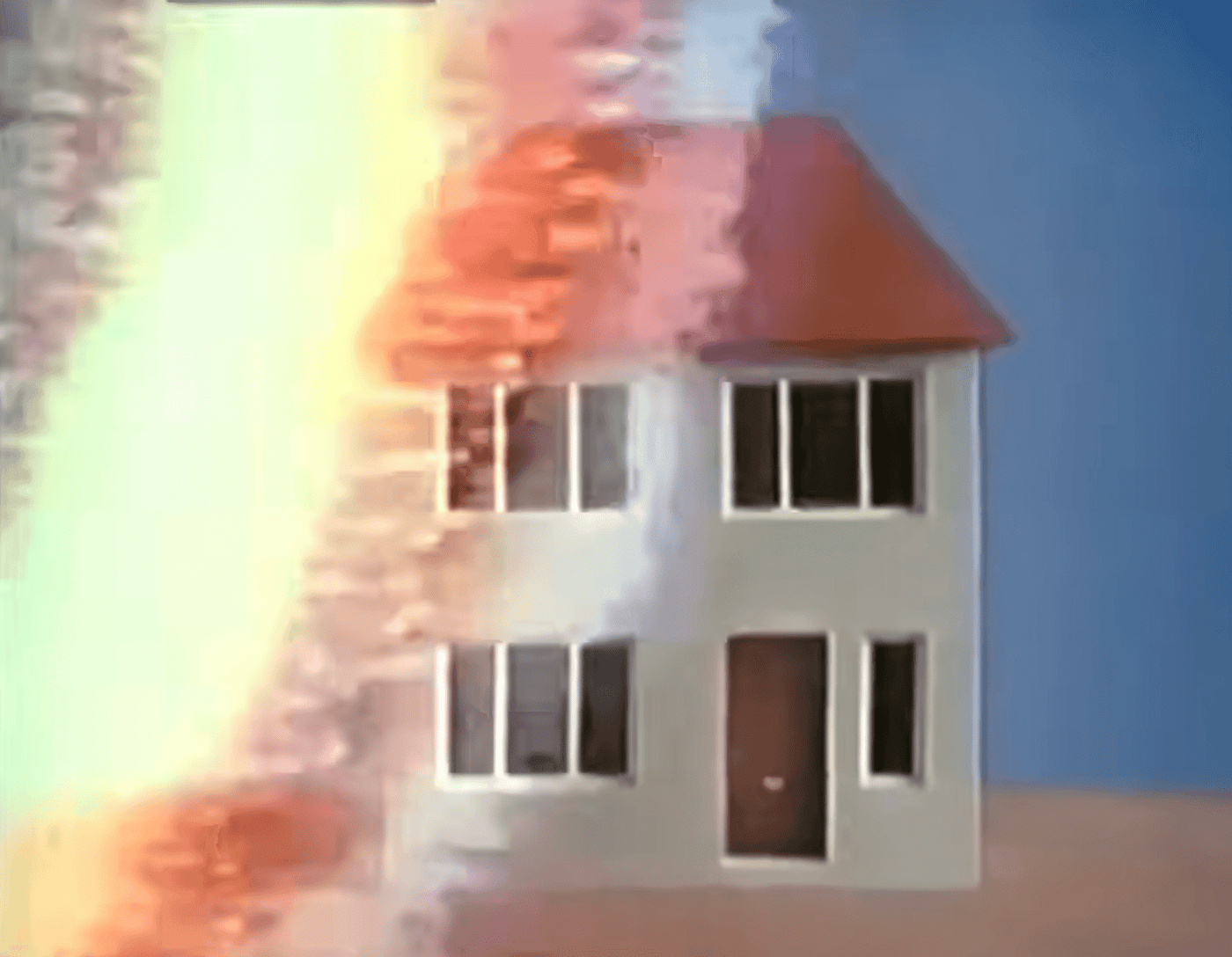
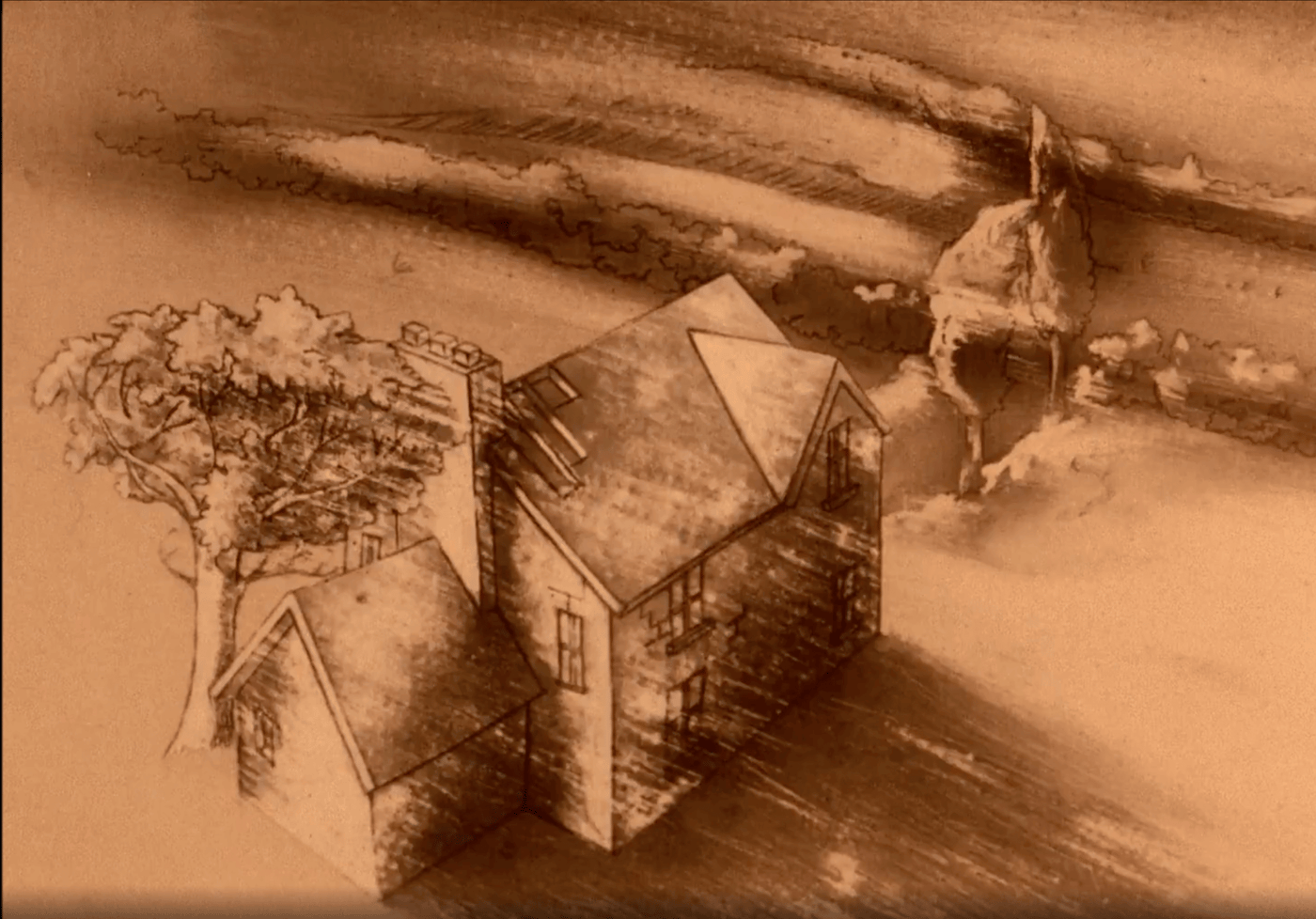
Director Jimmy Murakami’s 1986 film adaptation deepened this tragic irony. “Jim and Hilda are not even aware. They don’t want to know that the bomb is going to come. In fact they’re just like us,” Murakami observed. His empathy for the characters’ passivity is rooted in his own wartime experience. At eight years old, Murakami was among the 125,000 Japanese Americans forcibly relocated to internment camps following the bombing of Pearl Harbor. When his father refused to pledge allegiance to the United States and renounce ties to Japan, the family was sent to the Tule Lake camp in Northern California, where over 18,000 people were confined. “For four years I spent my life in this hell hole,” Murakami recalled. “This is where my art career started.”

This personal history informs When the Wind Blows’s haunting tone. Murakami, who had previously directed The Snowman [and animation and directorial work includes The Point, Heavy Metal, and the 80's/90's TV series Teenage Mutant Ninja Turtles] created a hybrid visual approach for the film. Combining hand-drawn animation with stop-motion models and sculpted sets, he achieved a tactile realism that emphasized the fragility of the Bloggs’ domestic space. The aesthetic was influenced by the Protect and Survive television campaign, visually echoing its practical tone while exposing the futility of its instructions in the face of total annihilation.



Producer John Coates emphasized the ambition behind the project: “After George Dunning [director of Yellow Submarine] died, he had been the creative soul of the studio, I felt we should make an effort to find a really strong subject… that would go a whole lot deeper and seriously into animation than what had been done previously.” The result is a film that merges the innocence of its form with the horror of its content.
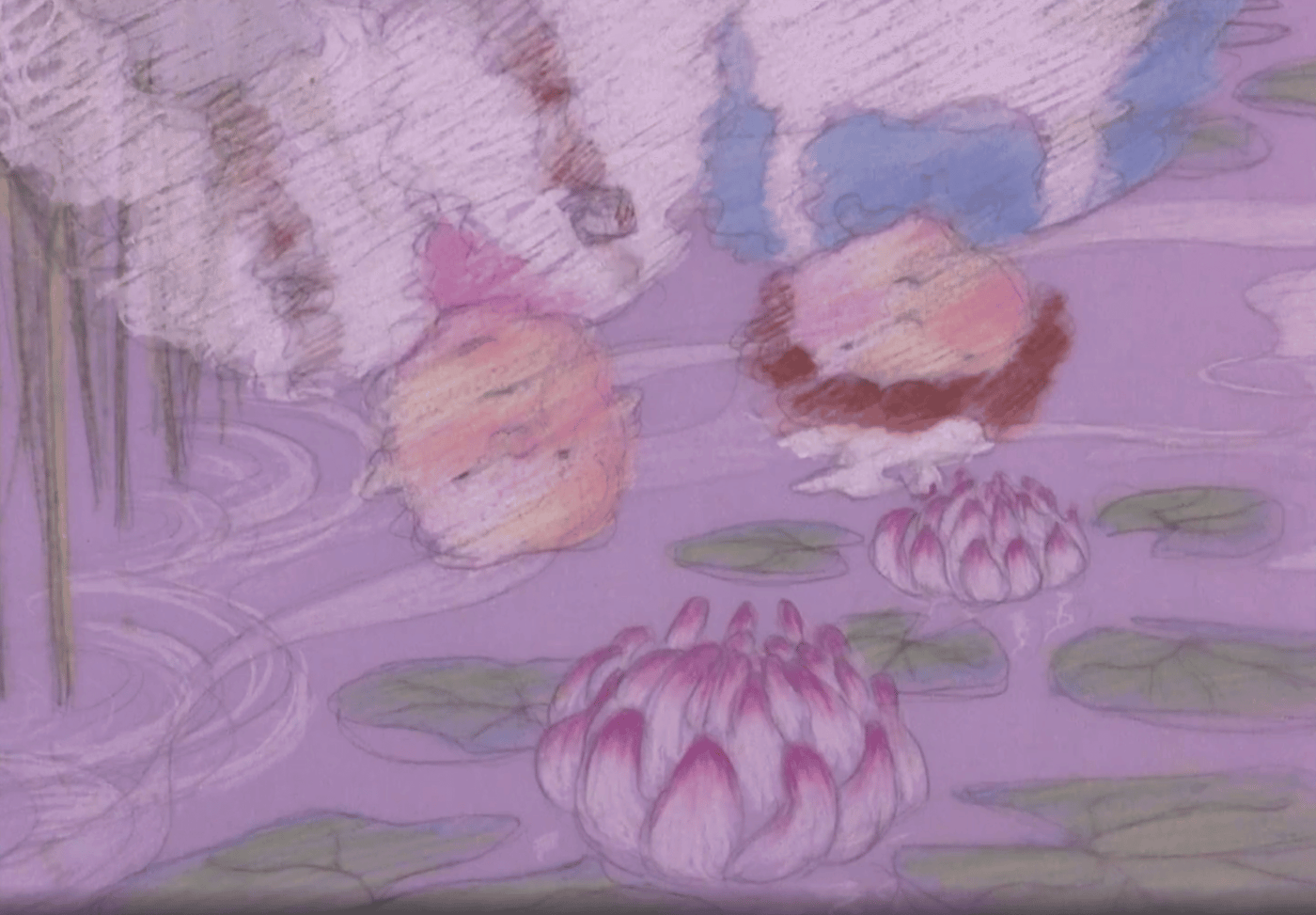
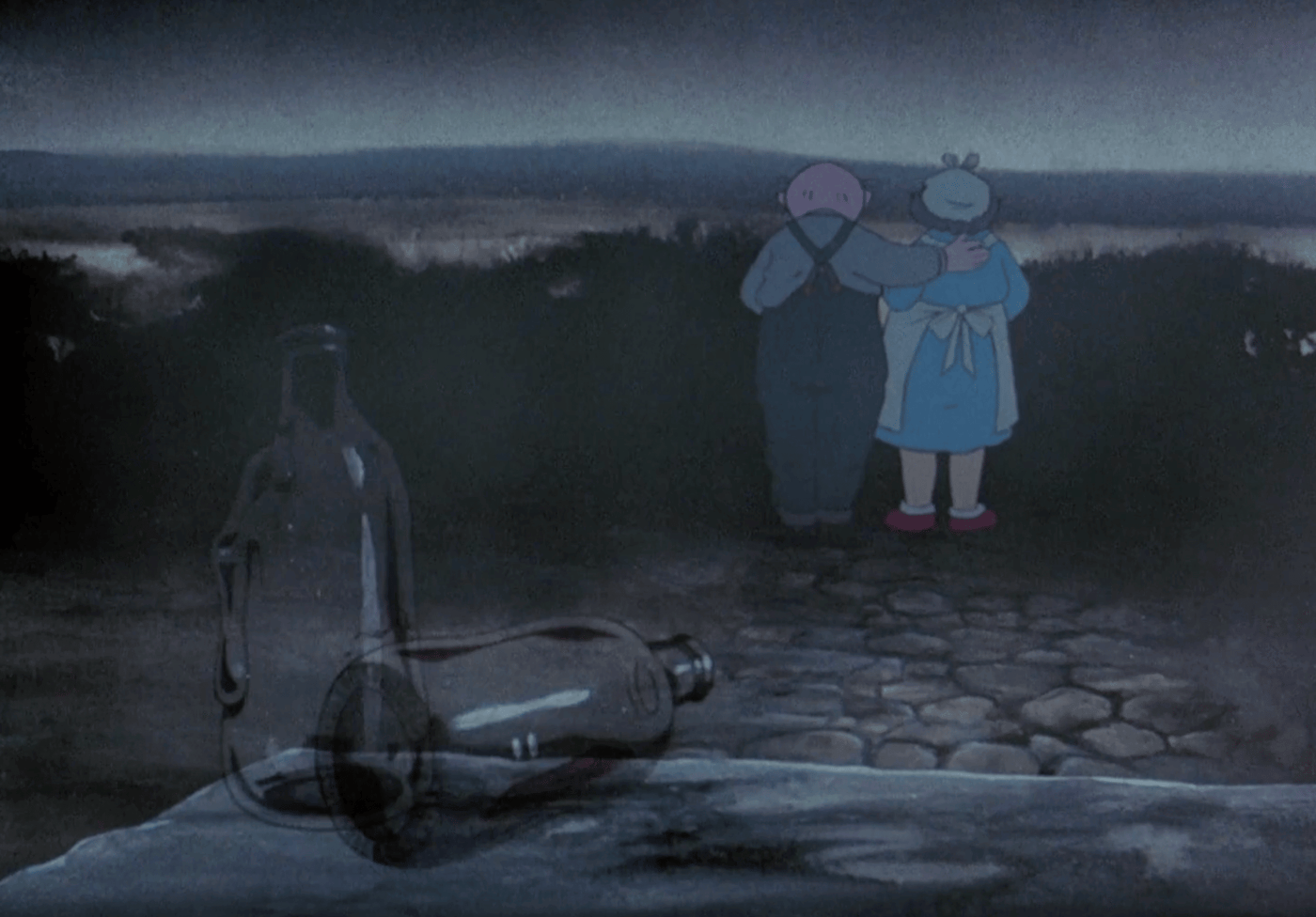
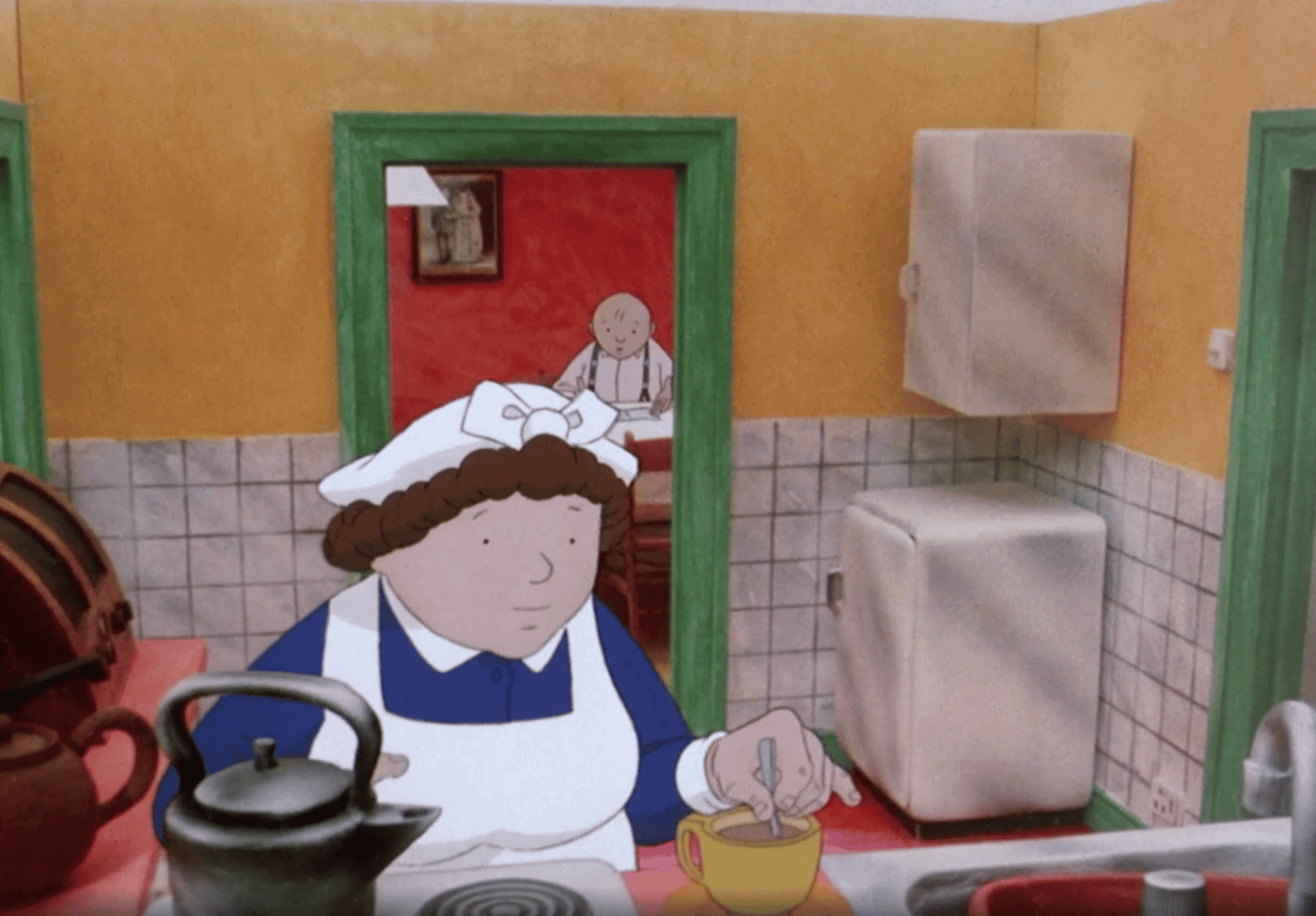
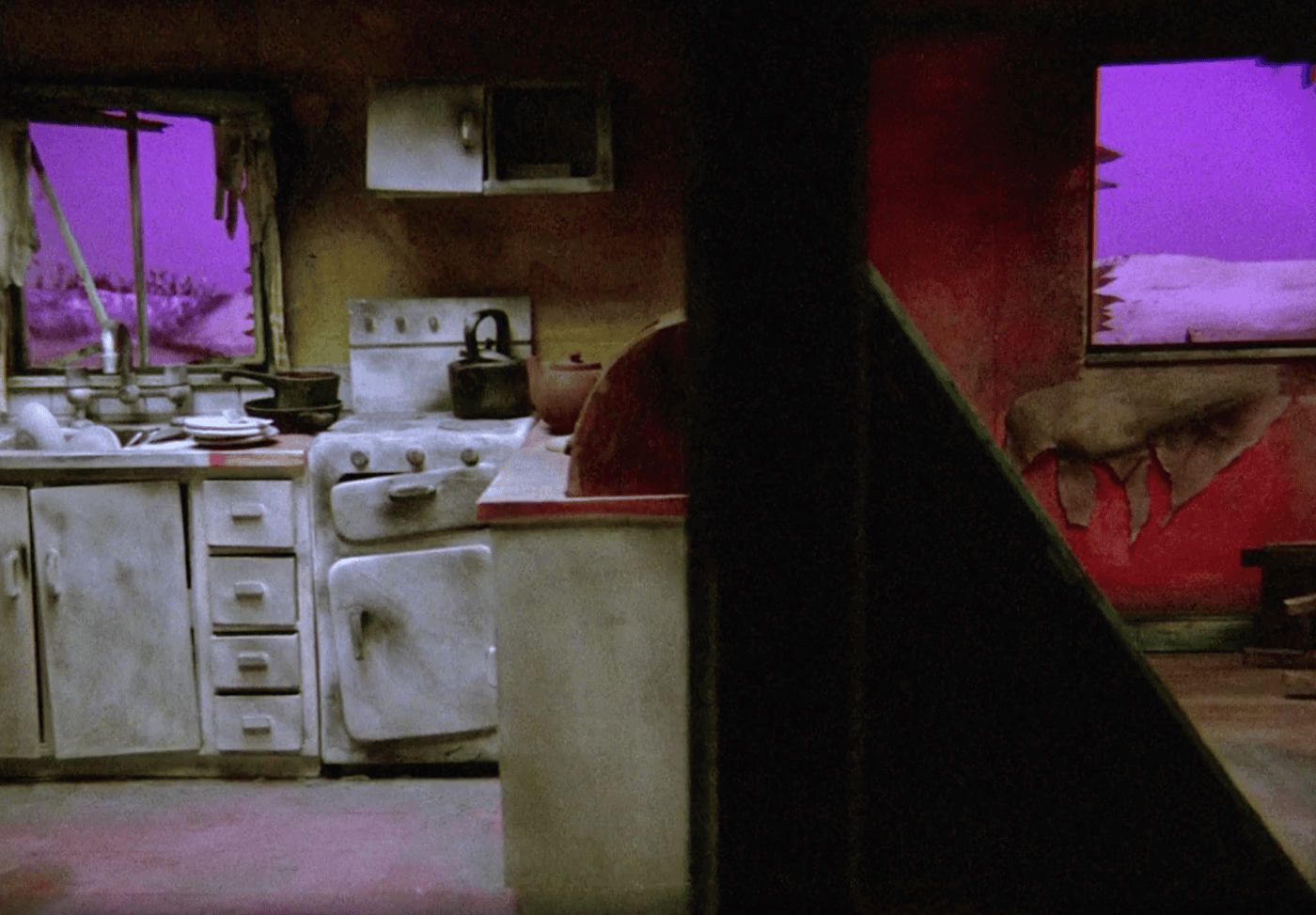
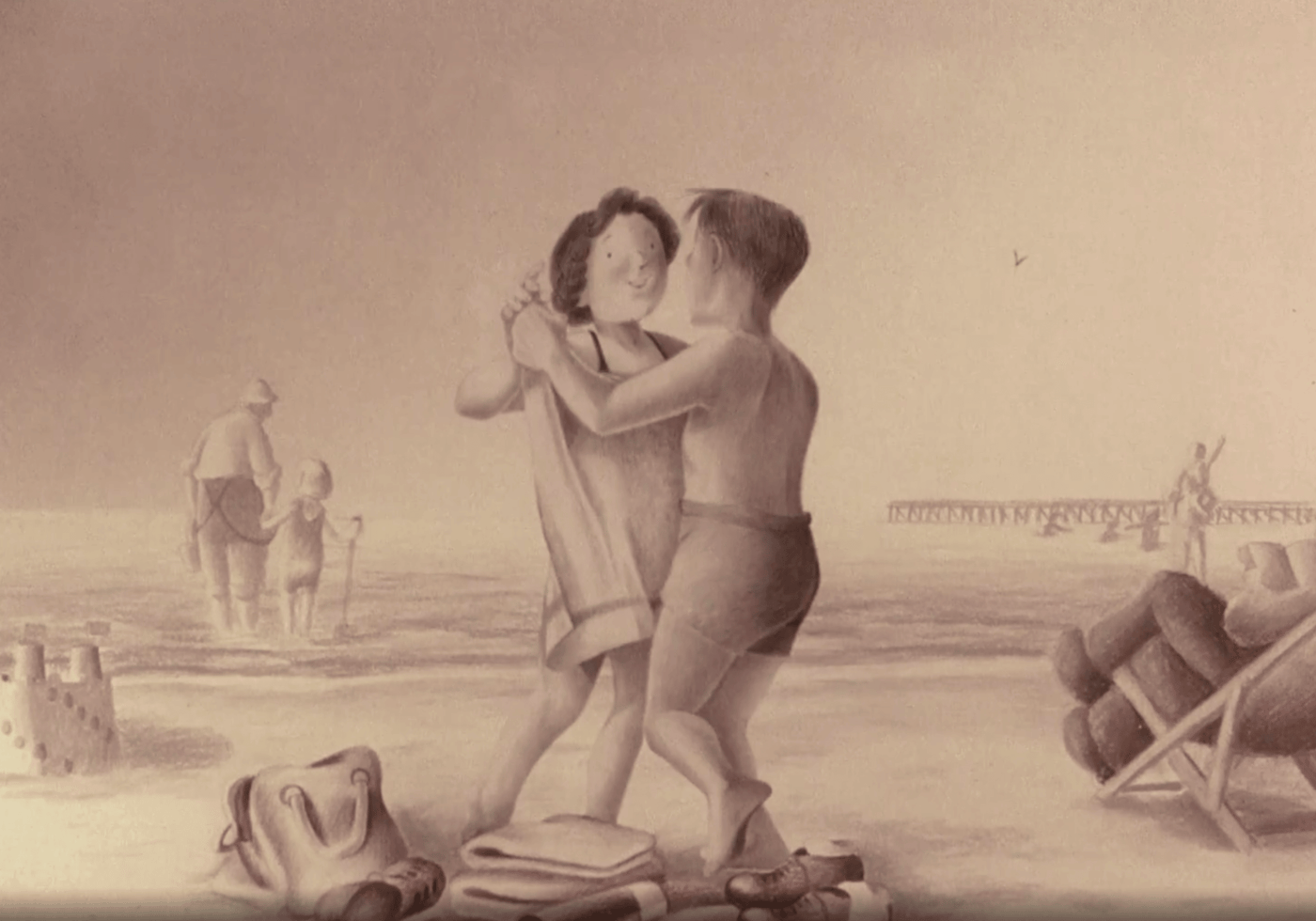
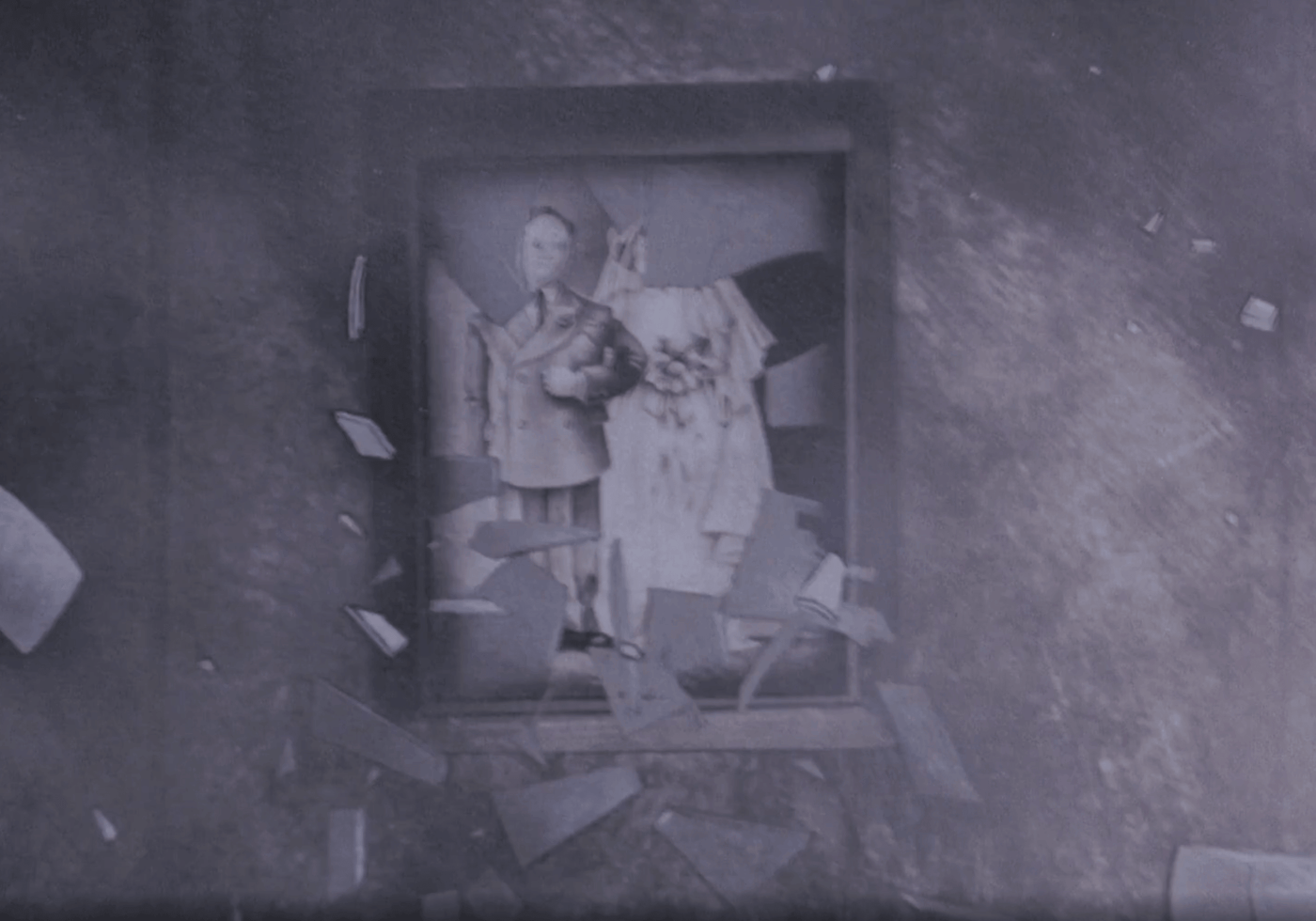
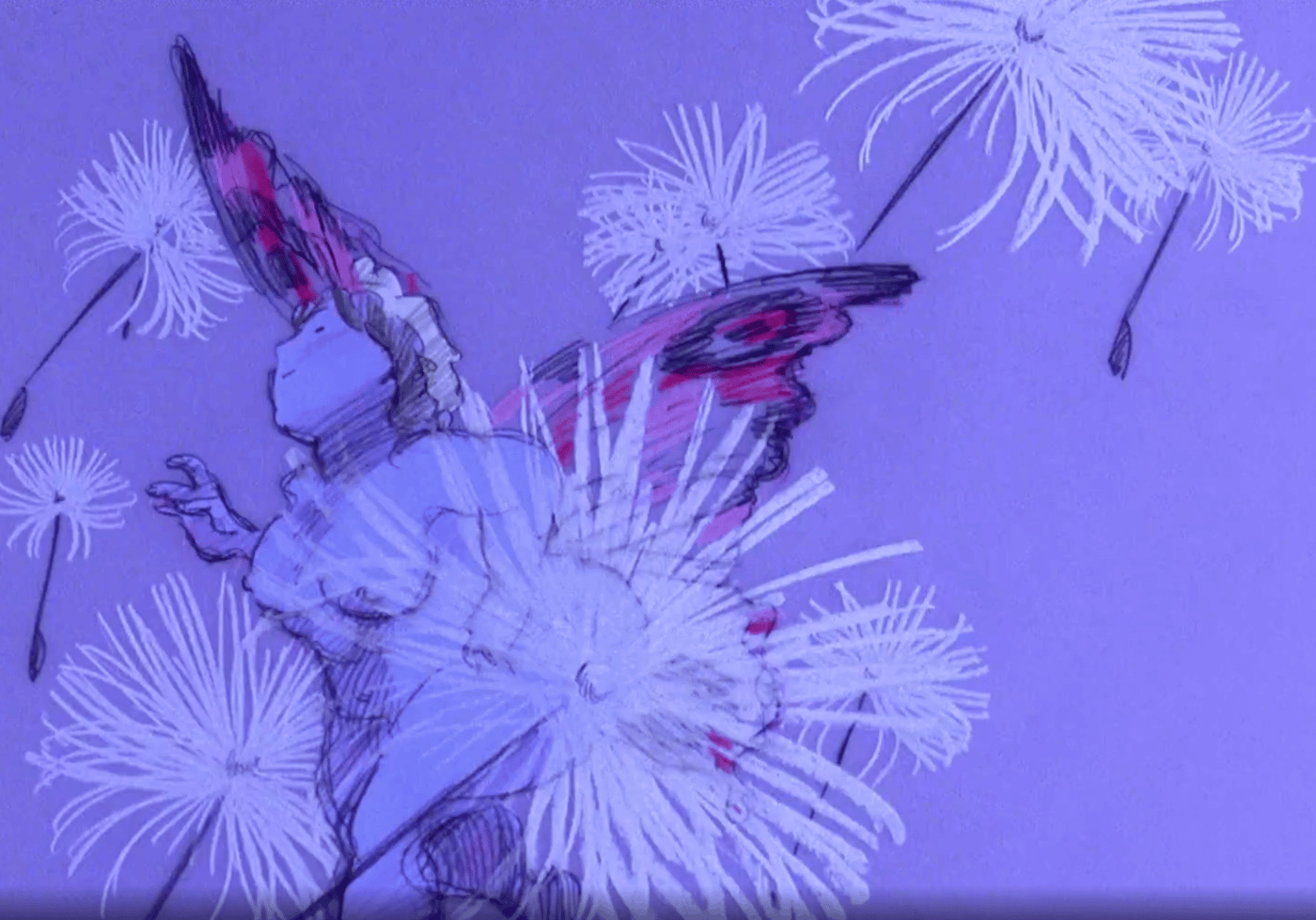
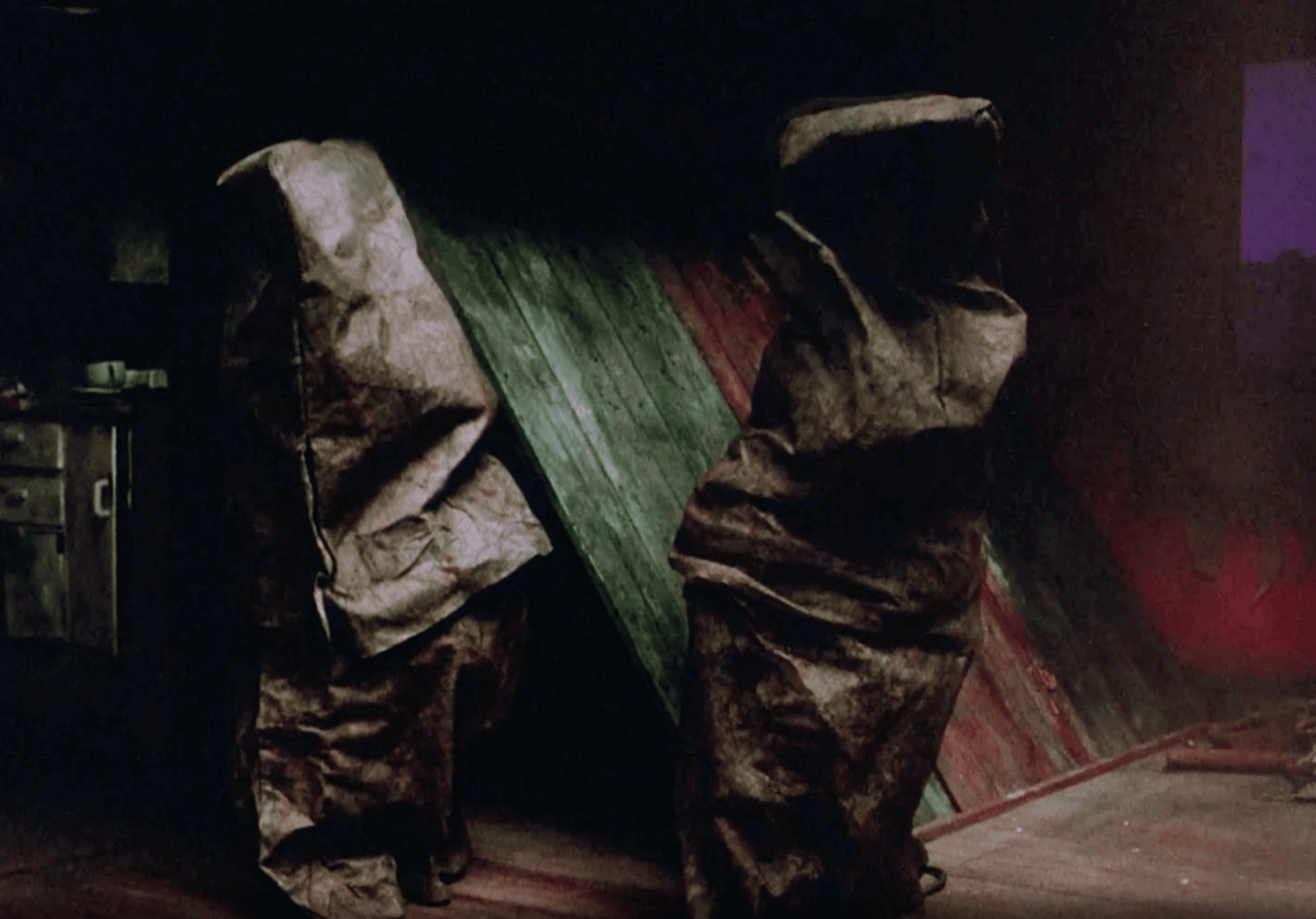
When the Wind Blows is both sweet and stomach-churning. Its inventive style is both incredibly compelling and hard to look at. Its message is utterly bleak: when the buttons are pressed by those invisible figures, there will be no true survival, no protection, and no salvation.
Through the gentle humanity of Jim and Hilda Bloggs, Briggs and Murakami deliver a story that is not about nuclear war so much as it is about belief; how we cling to the rituals and assurances that make life feel ordered, even as the world comes undone.

Listen to Roger Waters' haunting original soundtrack for When the Wind Blows here.
The 1983 BBC Radio-Play version of When the Wind Blows is available here.
And, of course, watch When the Wind Blows on Eternal.tv

Written by Matt Prins.