
Hello Eternal Readers!
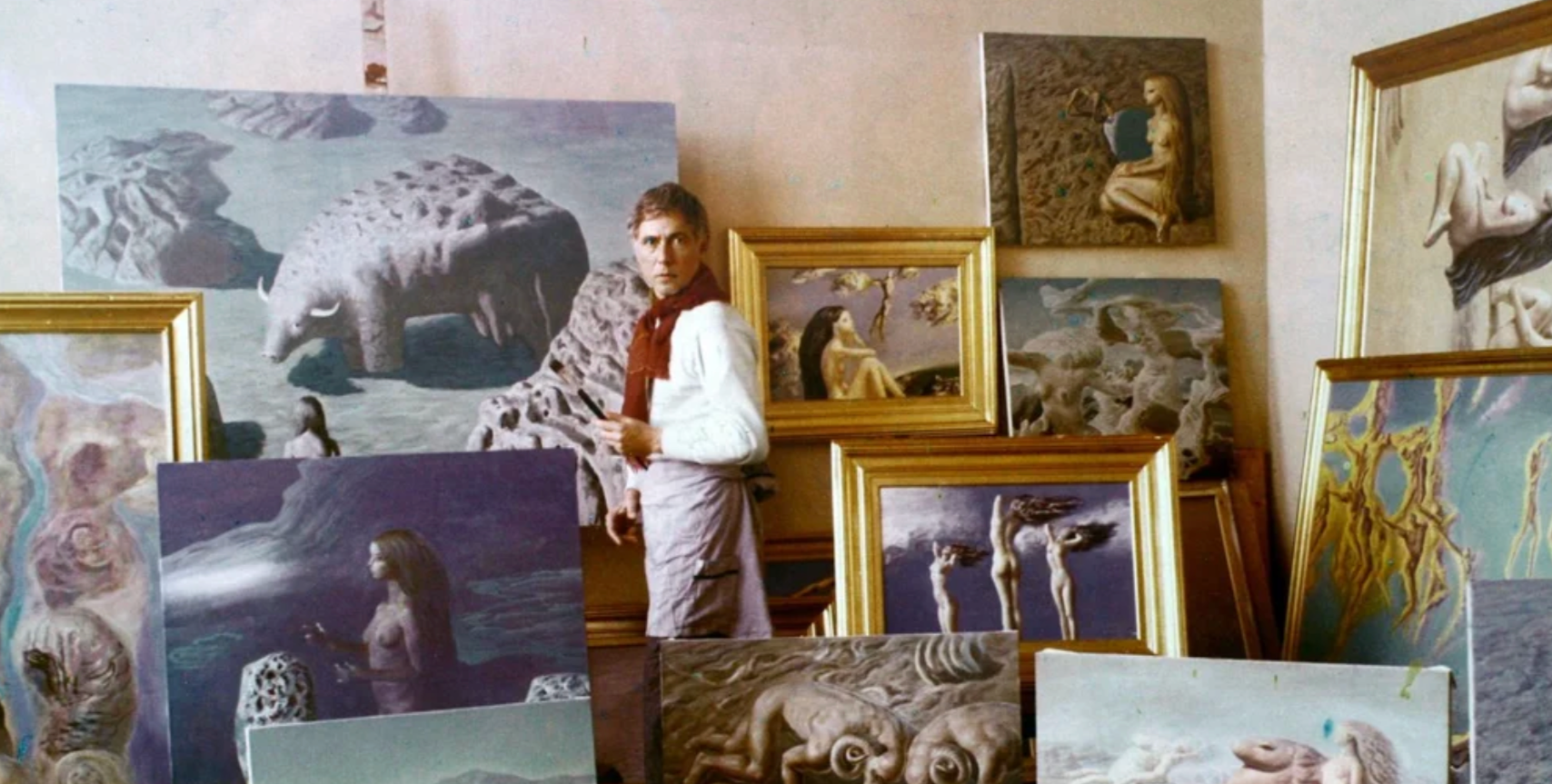
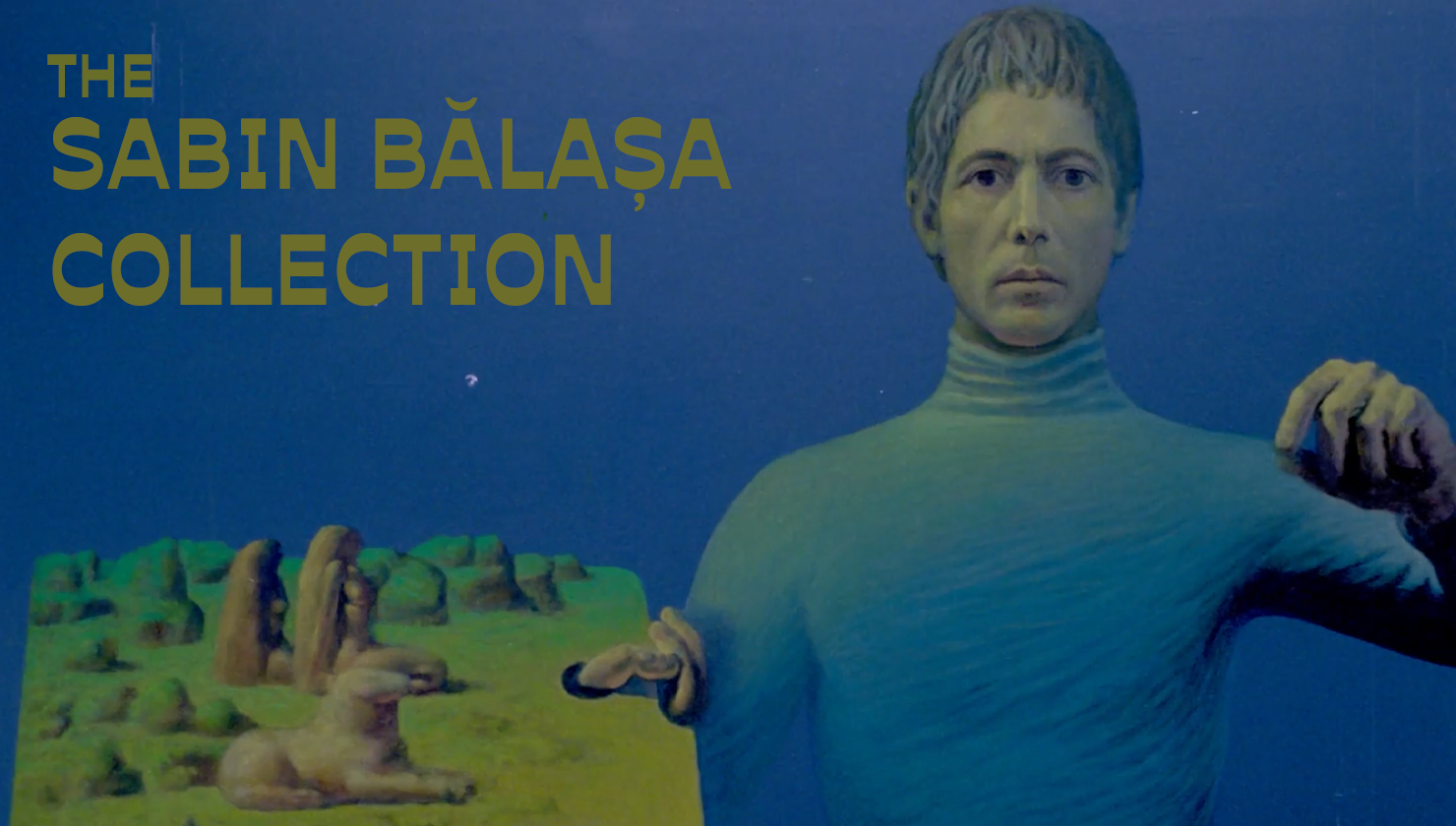
Recently, we added a primo collection of painted animations to our library by the Romanian artist Sabin Bălașa. (If you haven't yet seen them, you're in for a trip). In honour of these splendid works, we’ve put together a deep dive into the animation style and the story behind it.
In this article we’re getting into:
- Bălașa and his unique place in the animation world
- E-interview with Sabin’s son, Tudor Bălașa (also a painter)
Without further ado let’s begin!!
Who is Sabin Bălașa?
Sabin Bălașa occupies a curious position in twentieth-century Romanian art. A contemporary painter best known for his monumental frescoes, he also authored and directed nine painted animations—works that feel less like conventional animation than actual paintings set into motion.
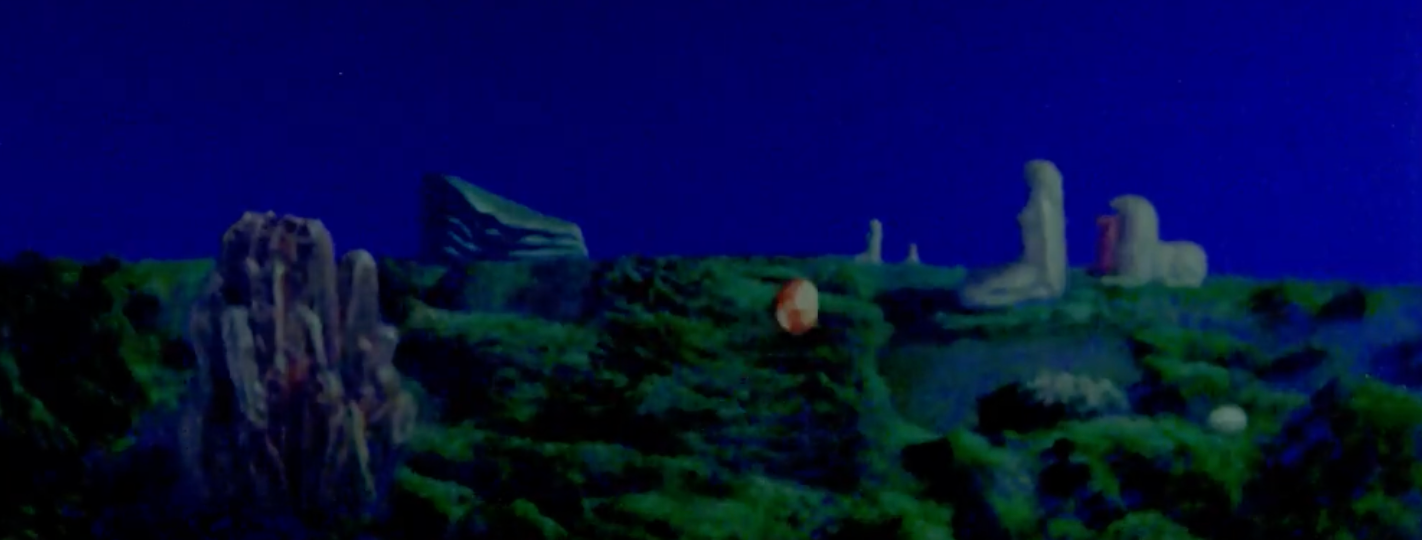
Bălașa's animations move like dream logic–stories of spiritual beings unfold in vast and arid landscapes. Some stories are common, like the chase between two lovers, others are wilder, scattered with fragments of Dacian mythology and bits of Western history. Yet the values and messages are innately human. The story isn't being told so much as implied to you through the silent dance of the paint on the canvas. A thin operatic wall of sound stands between us and silence; the soundtrack gives us a mild, mostly ambient symphony. The real drama unfolds in the colours.

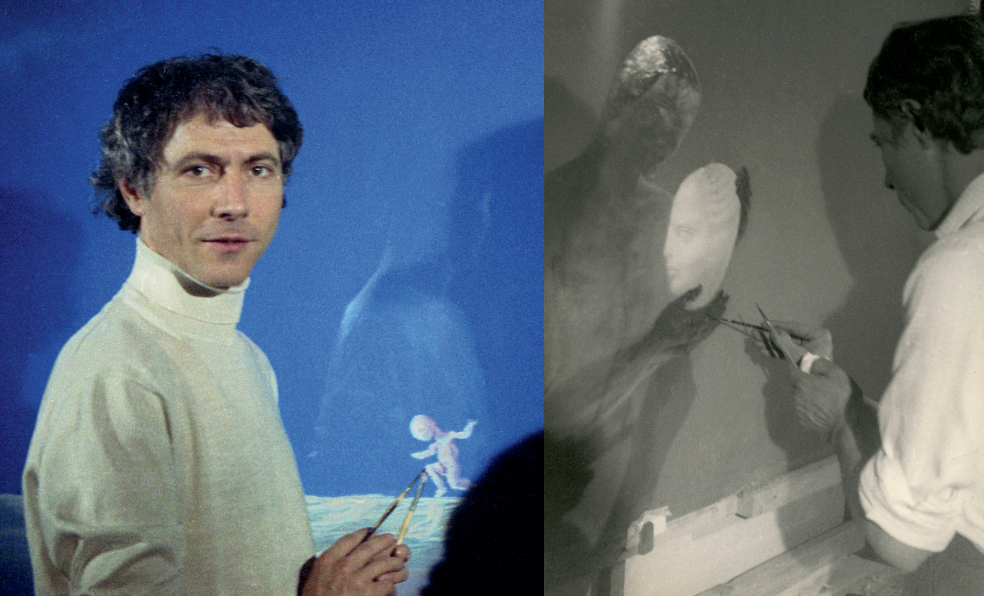
"His style caused a sensation: Sabin painted directly beneath the camera, frame by frame, producing thousands upon thousands of individual frames. He came to be regarded as the creator of a distinctive genre, since it was quite difficult to find a visual artist capable of undertaking such an enormous creative, personal, and professional effort." -Tudor Bălașa, Sabin's son
Background and Influences
Translated from the Romanian by Tudor Bălașa
Sabin was born on June 17, 1932, in Dobriceni, Oltenia, Romania, into a family belonging to the rural intellectuals, educated in the tradition of universal values, “with Oltenian particularities,” as he would say with a smile.
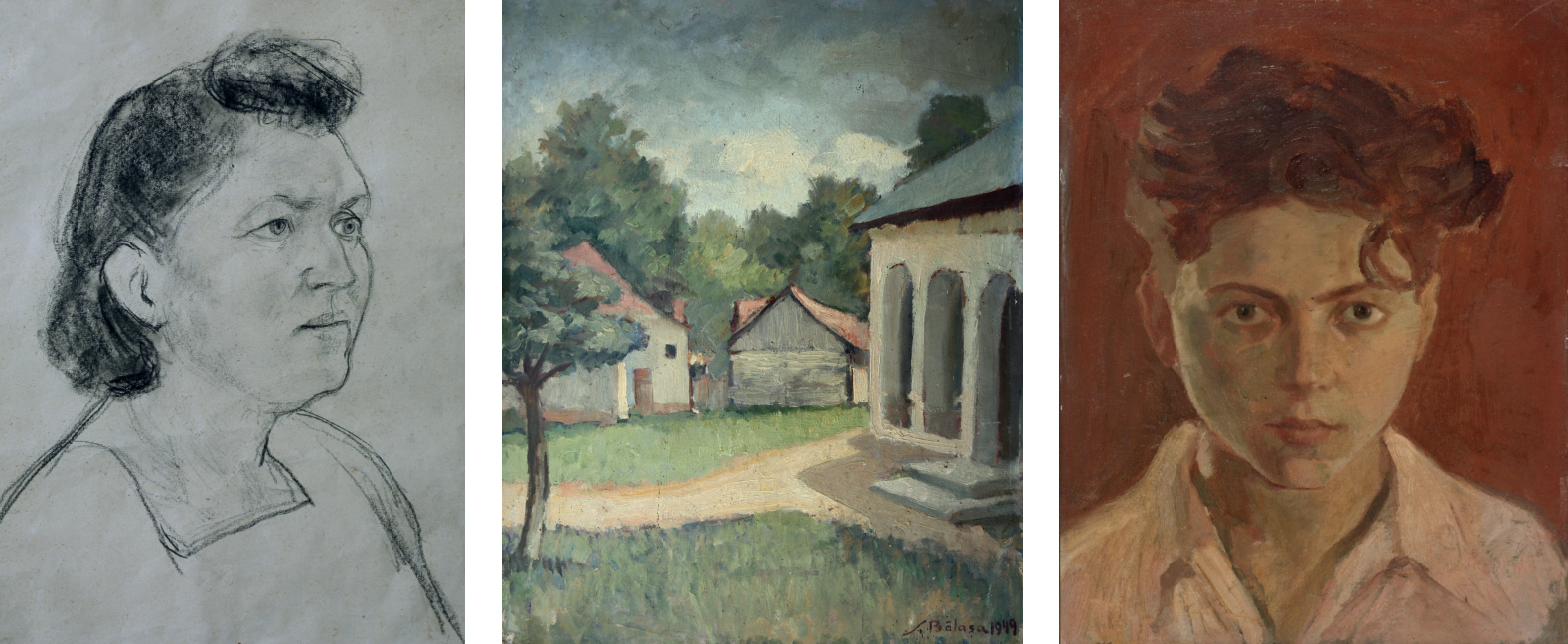
His father, Ioan Bălașa, was a priest and writer; his mother, Maria was a schoolteacher; and his uncle and mentor, Dumitru Bălașa, was a priest, historian, and Dacologist. Alongside Maria, his biological mother, Sabin had a spiritual mother: Nanny Florica, who joined their family after losing her own daughter. She was the shaman who unlocked the gates of the mythological universe for Sabin.
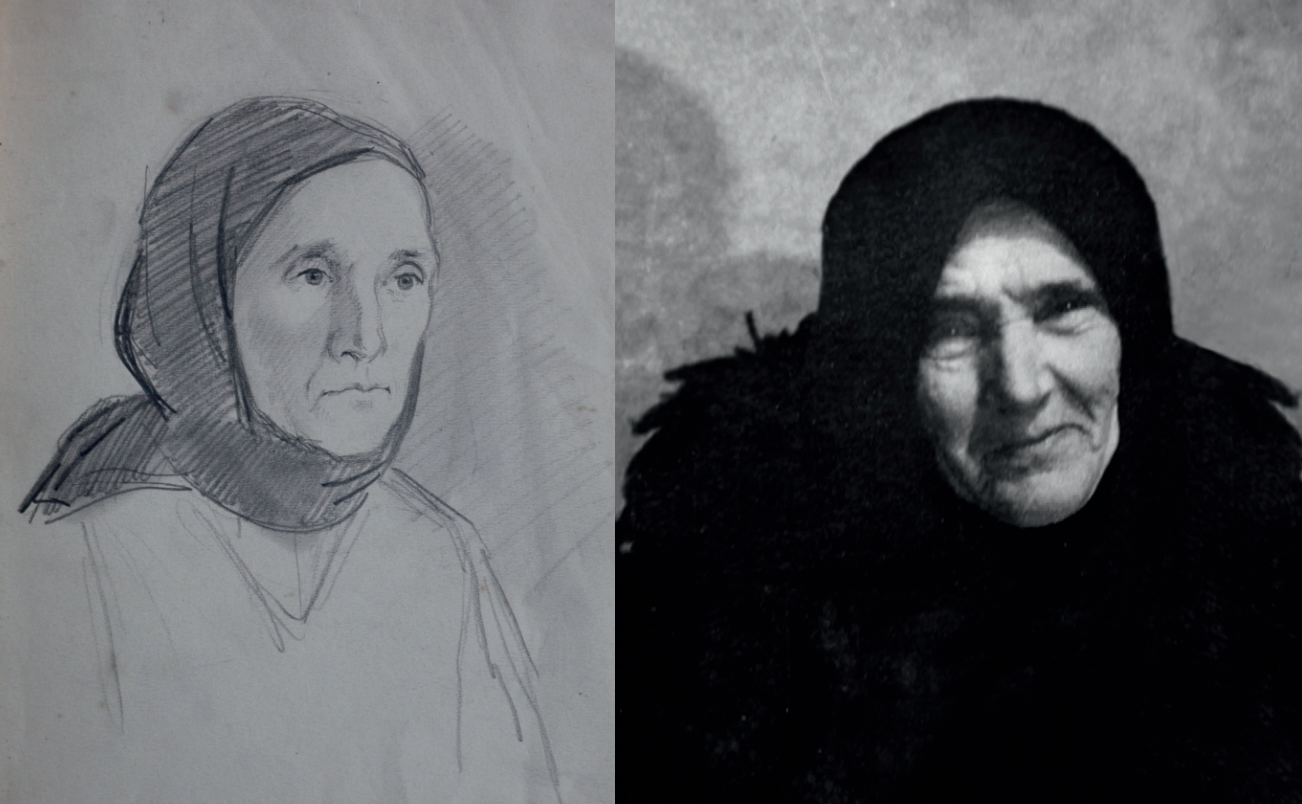
She facilitated his access to the unseen world that would later shape and transform him: the world of Oltenian folktales, of earthly and luminous forces and beings, and of the boundless universe. His family’s stories, told in the heart of the wild landscape, shaped Sabin’s belief in the organic and spiritual connection between humanity, nature, the cosmos, and eternity.

“I had only just begun to walk, and my mother gave me a little smack. My father forbade her from doing so, but she would still occasionally slap us because we were smearing the walls with charcoal from the stove. I didn’t understand why she was angry with me, but I became angry with her too. So I hid under the bed and drew with charcoal on the wall beneath it some of the stories my father told me—my nanny Florica, Ileana Cosânzeana, the Forest Mother, and a lantern. I drew the lantern floating somewhere in the abyss, in place of the moon. When they moved the bed to clean underneath it, they realized that this wasn’t simply child's play. They apologized and went out to buy me paper and paints, because they were cultured people. They saw that I wasn’t just scribbling on the walls for no reason.” -Sabin
On Paint and Animation Style
An E-interview with Tudor Bălașa
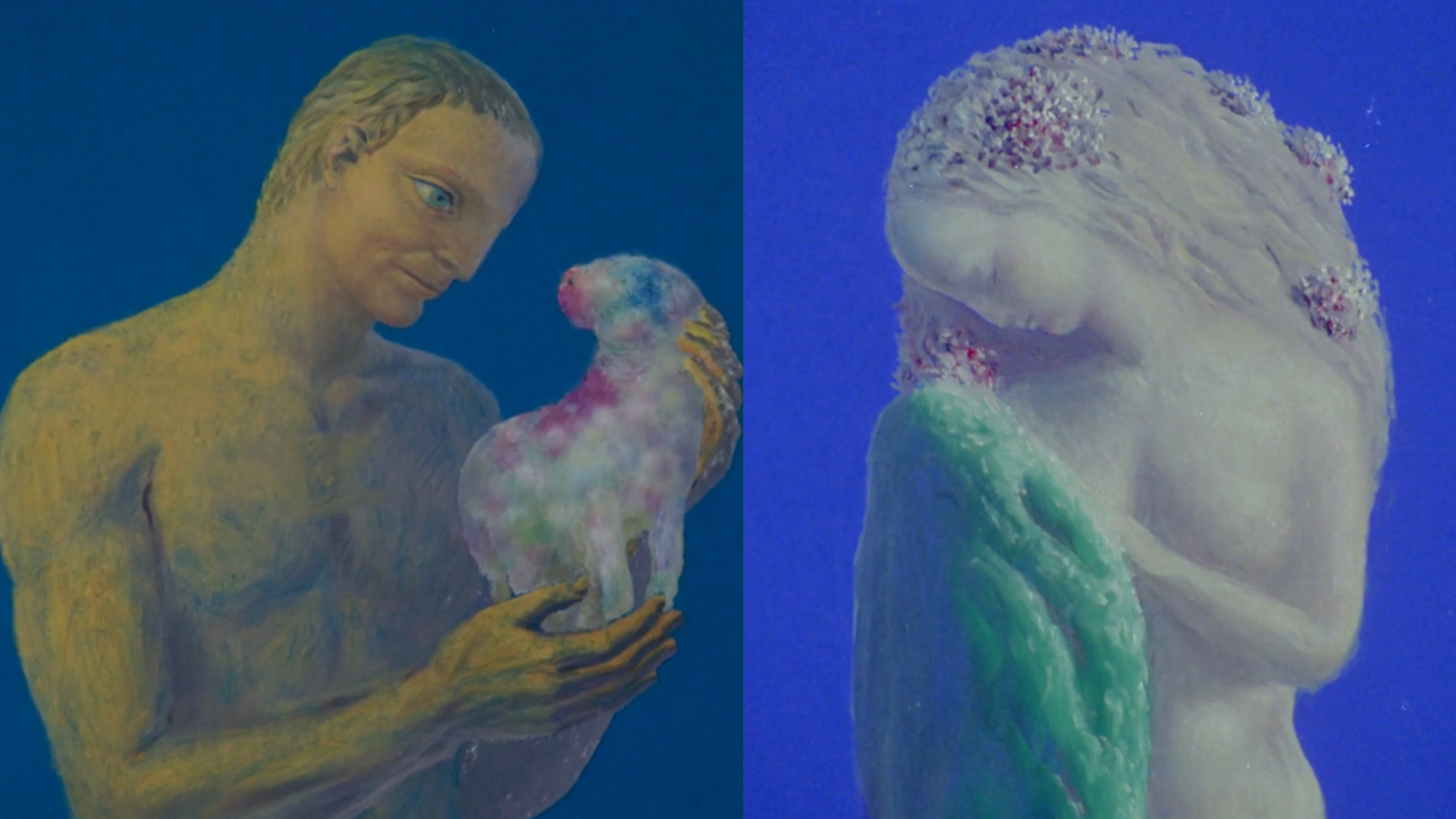
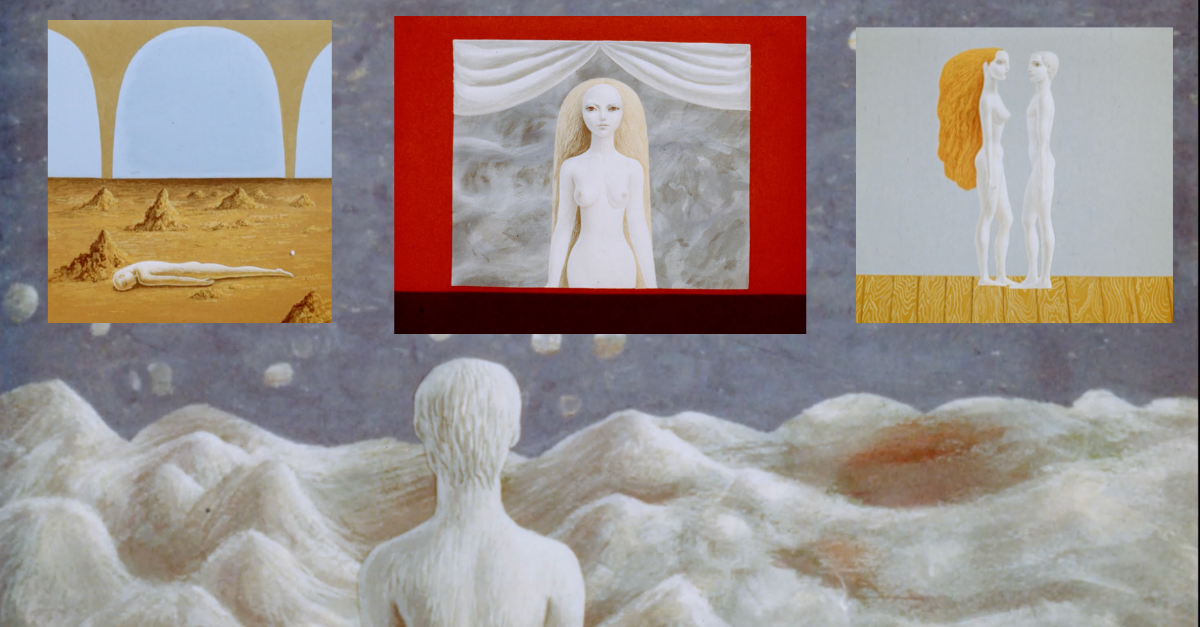
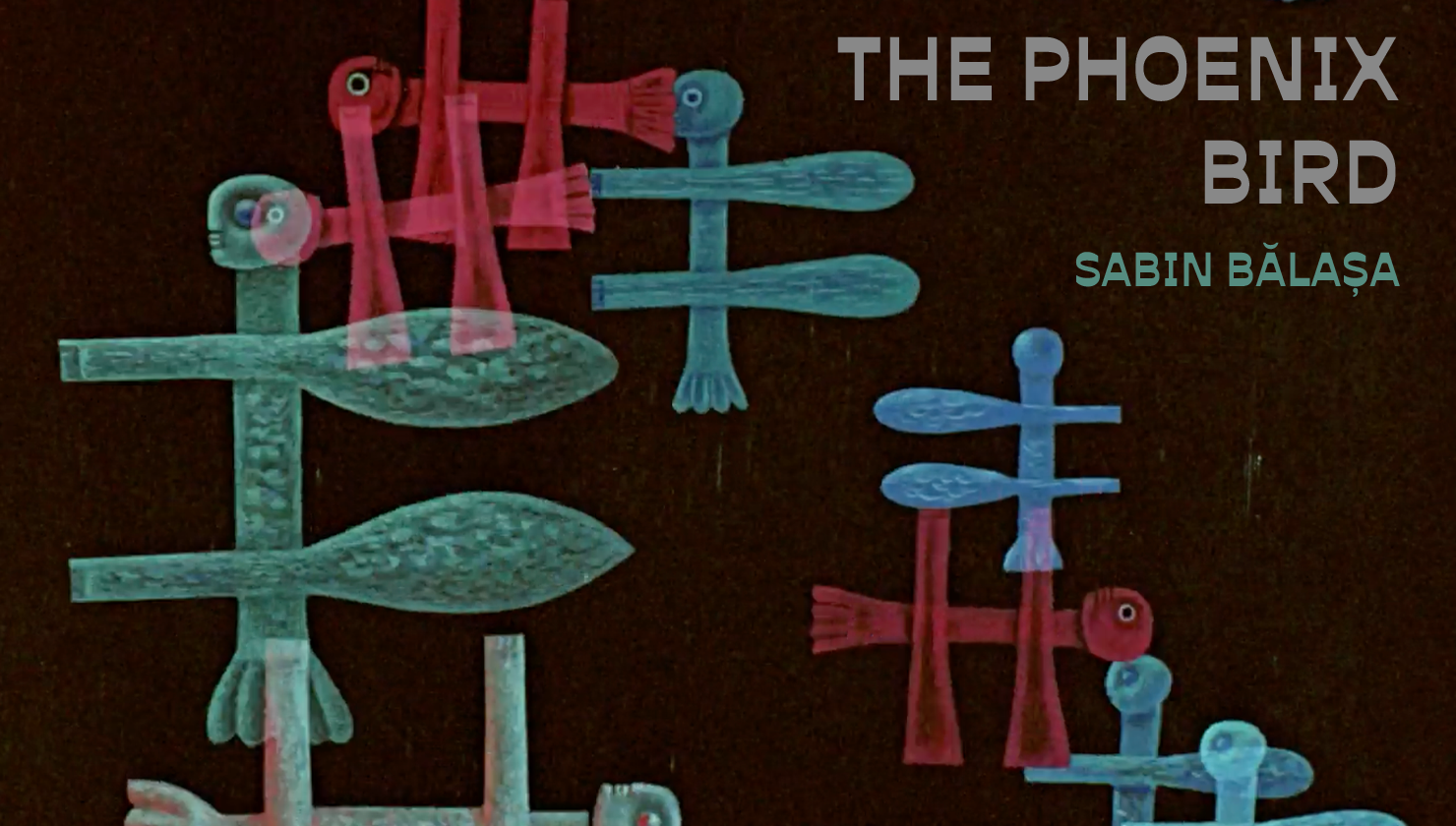
Although his work is sometimes described as surrealist, Bălașa’s term for his visual language is Cosmic Romanticism--a sort of combination of romantic sentiment and surrealist composition. The dream-scape aspect of surrealism is certainly there, scattering phoenix birds and mysterious women across vast, arid landscapes. His films imagine the human figure as a mythical force, whose history and psychology are expressed as a moving painting.

EF: What does Cosmic Romanticism mean in Sabin’s words?
Tudor: Funny enough, there is no press article on "Cosmic Romanticism" written by Sabin. I think he created the name as he was tired of giving explanations when his art was regarded as "surrealist". [...] He was not at all after propagating an artistic current or a school out of his own philosophy and style. There was no "official" manifesto of cosmic romanticism, no ateliers, students or followers. This is why I said Cosmic Romanticism is Sabin.
Bălașa used the term to describe an aesthetic that didn't fit comfortably inside existing categories. His images take a visionary approach combining multiple aesthetics in a serene, highly original way. We see parts of the surrealist vision with the lonely horizons and fantastic creatures, yet within those images we see the emotional signatures of Romantic painting-yearning, isolation, and communion with nature. Bălașa created the label because his work didn’t fit into any one category, (and still doesn’t, at least as far as animations go)
“If I have learned anything, I have learned only from the greatest artists of the world, and I have learned not from their painting; I have learned something else, namely not to be like them, to be as free, personal, nonconformist, non-tributary as they.” -Sabin

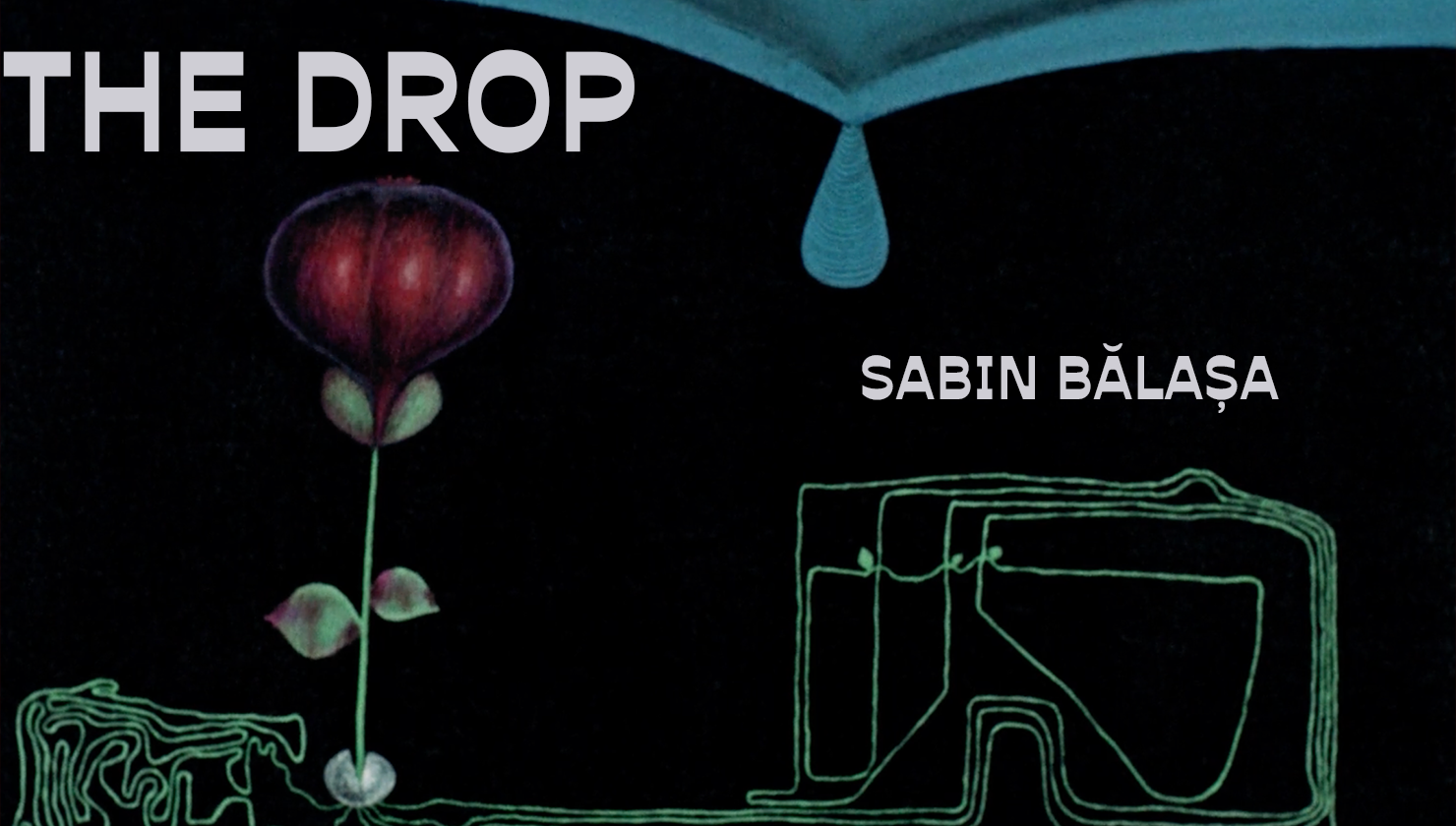
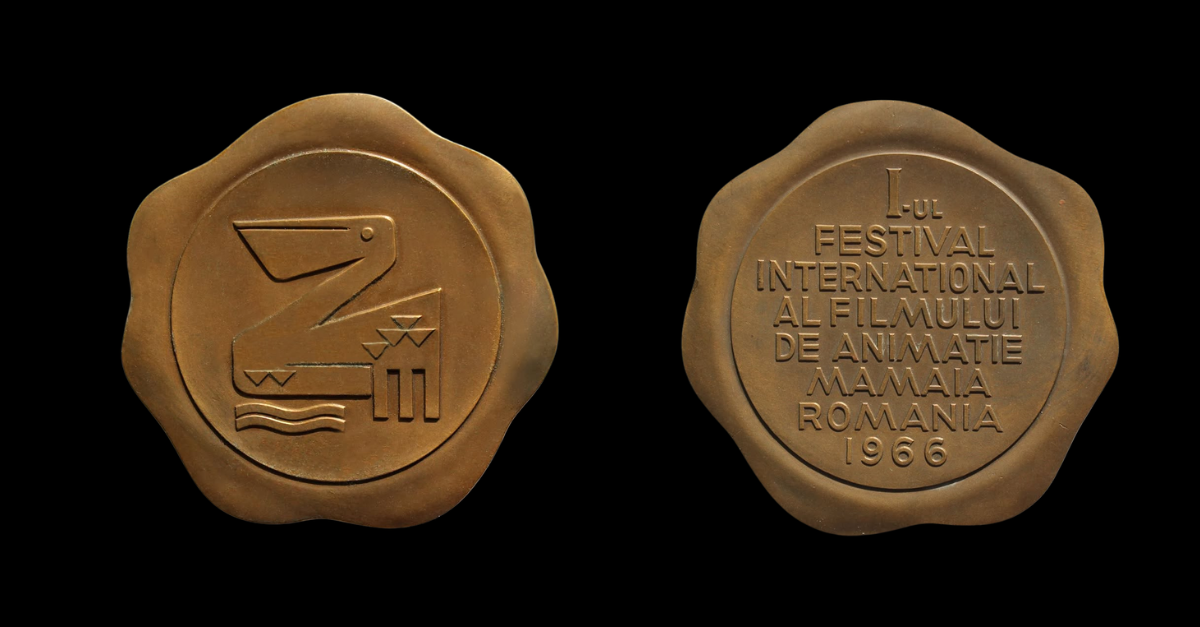
The first film, Picătura (The Drop), was directed and painted by Sabin, based on a screenplay by Marin Sorescu. It was presented and awarded at the International Animation Festival in Mamaia, where it won the Silver Pelican award.
EF: Can you recall any screenings of Sabin's films?
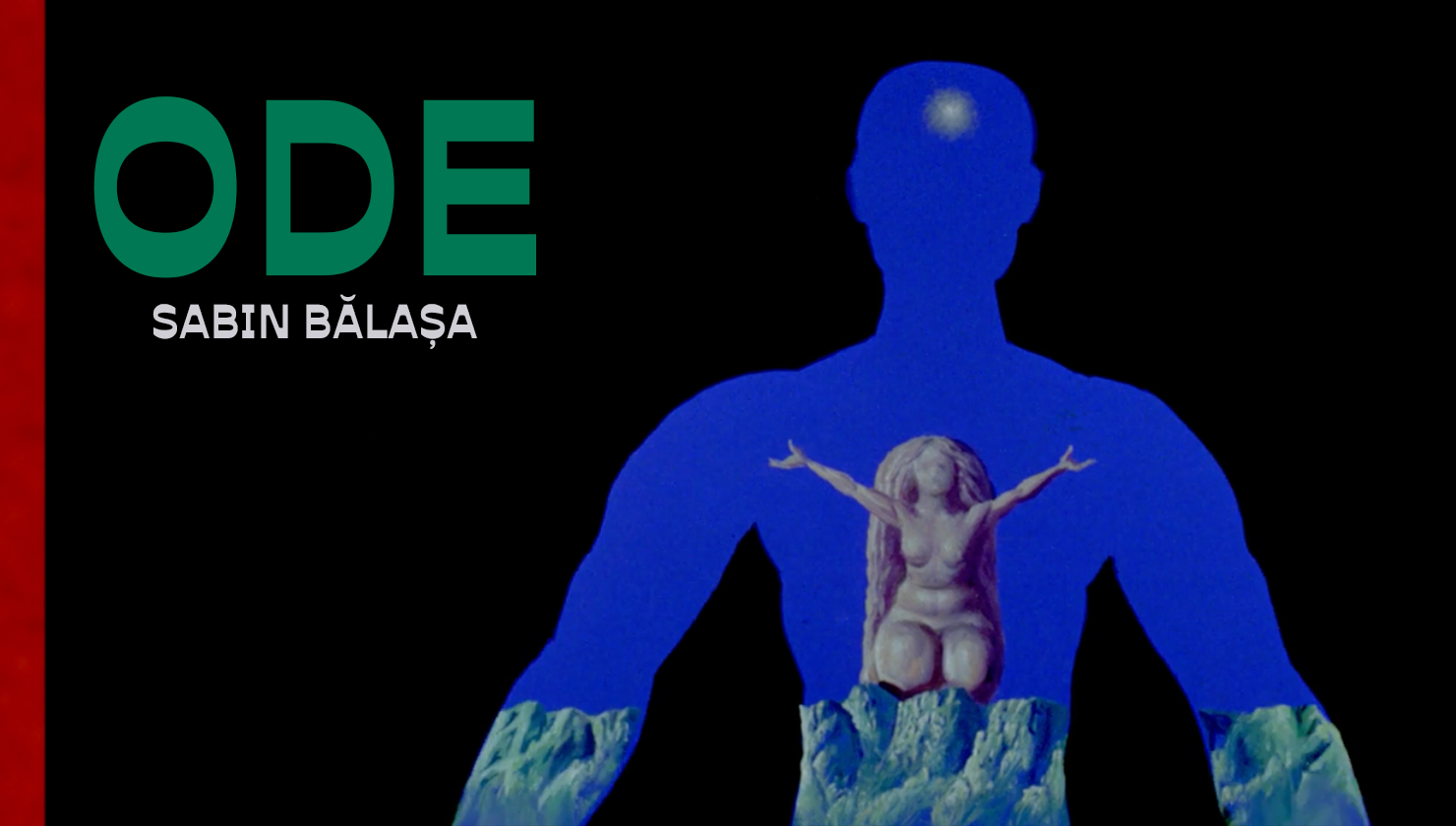
Tudor: “In Romanian cinemas, before a full-length movie, they used to show a short film and some commercials. Some of Sabin's films were shown this way too, that's how most people got to see them at the time, and also in schools, at least in mine, I recall I saw "Ode" in a projection along with other animations from other Romanian authors.”
“There is no difference between myself and what I create.” -Sabin
Technique & Materials
“In my films there are never two or more movements, but only one: that of the idea, of the painting metamorphosing beneath the camera.” -Sabin

EF: How were these films made?
Tudor: "The Drop", "The City" and "The Phoenix Bird" were painted in gouache on paper blackened with indian ink. "Fascinations" and "Return to The Future", the same thing but the plates are larger, and there is also some painting on transparent celluloid sheets. "The Wave" was painted in oil paints on a few masonite boards, (about 80x60 cm), not many because most of the movement was made by transforming the previous frame, (erasing and repainting) on the same support.
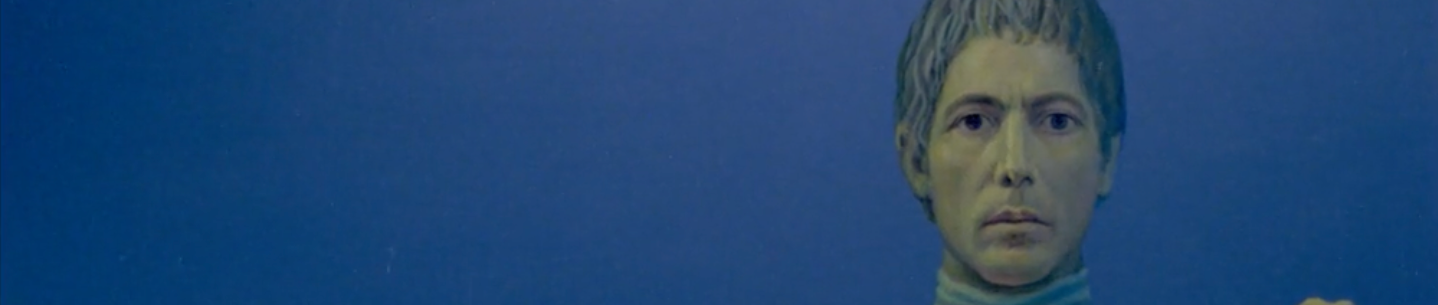
(cont'd): "Ode" and "The Galaxy" were painted in oil on a single glass pane on top of a blue background. The sheet was large, and because it was all paint on glass continuous modification, no original artwork had remained.
(cont'd): "Exodus Towards Light" is painted in a vinyl-acrylic copolymer emulsion paint (Flashe by Lefranc & Bourgeois) which dries to a very matte finish, therefore there is no unwanted glare, as with the oils . It is still the same "destructive" technique of transforming the previous frame into the next by modifying it, but because these paints dry fast, all transformations are done by painting on top.

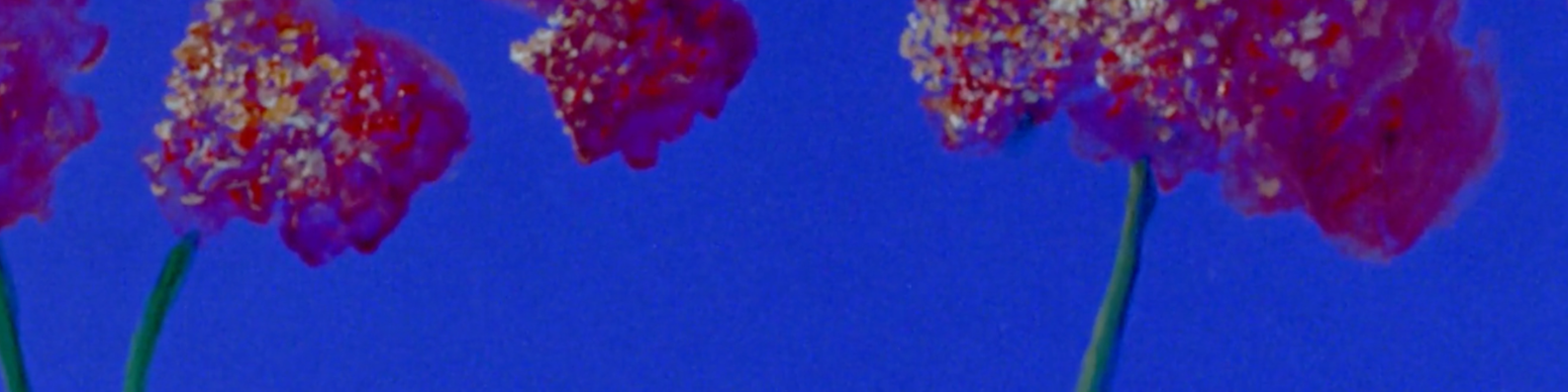
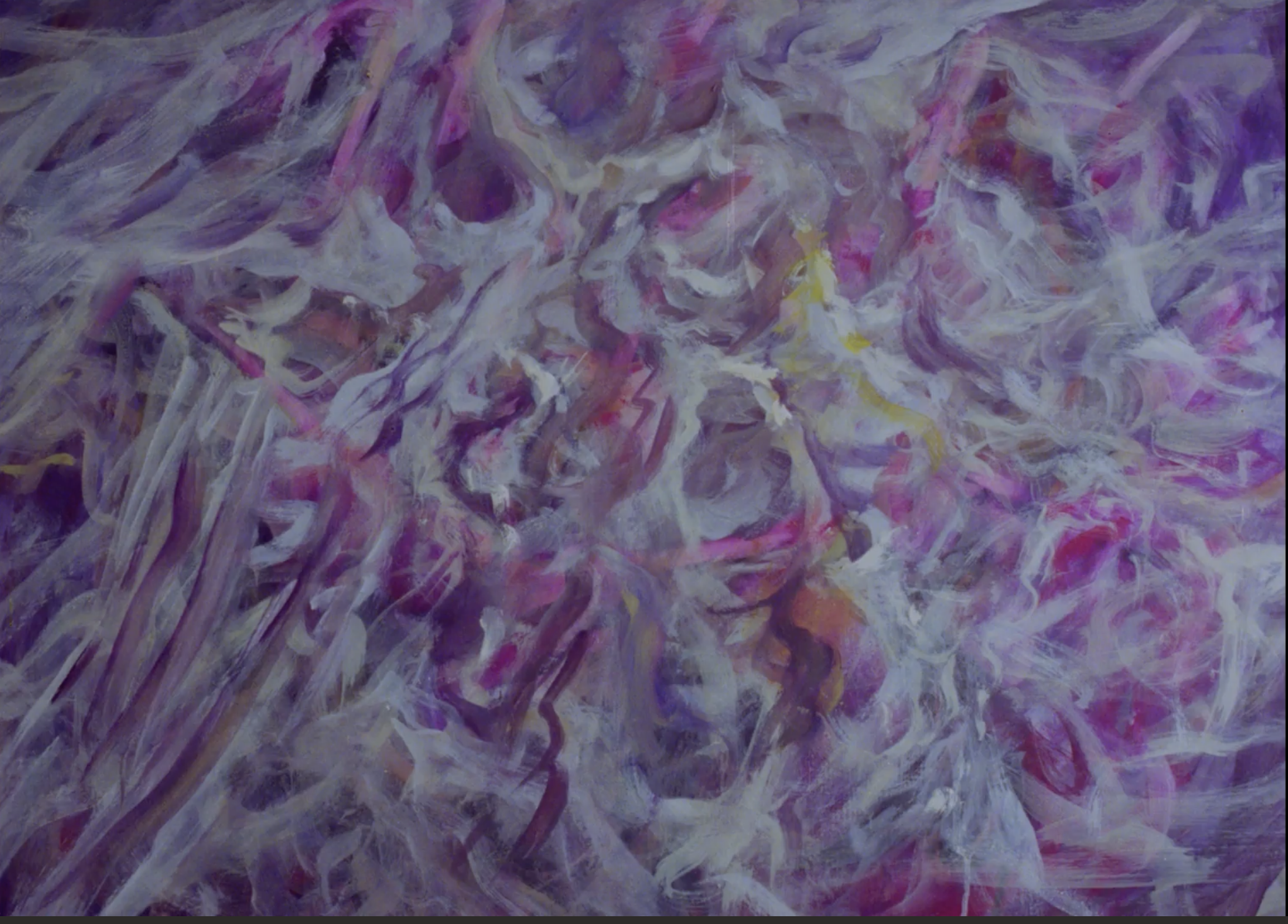
The motion of the film is not about creating a caricature, but rather as a way of assembling the next image. Balasa's animation style refuses cartoonish action, allows the paint itself to become the actor. Brushstrokes dissolve into landscapes, figures emerge from clouds of pigment before disappearing again. His paintings lean heavy into blue tones both rich and muted, typically anchored with this deep ultramarine shade:
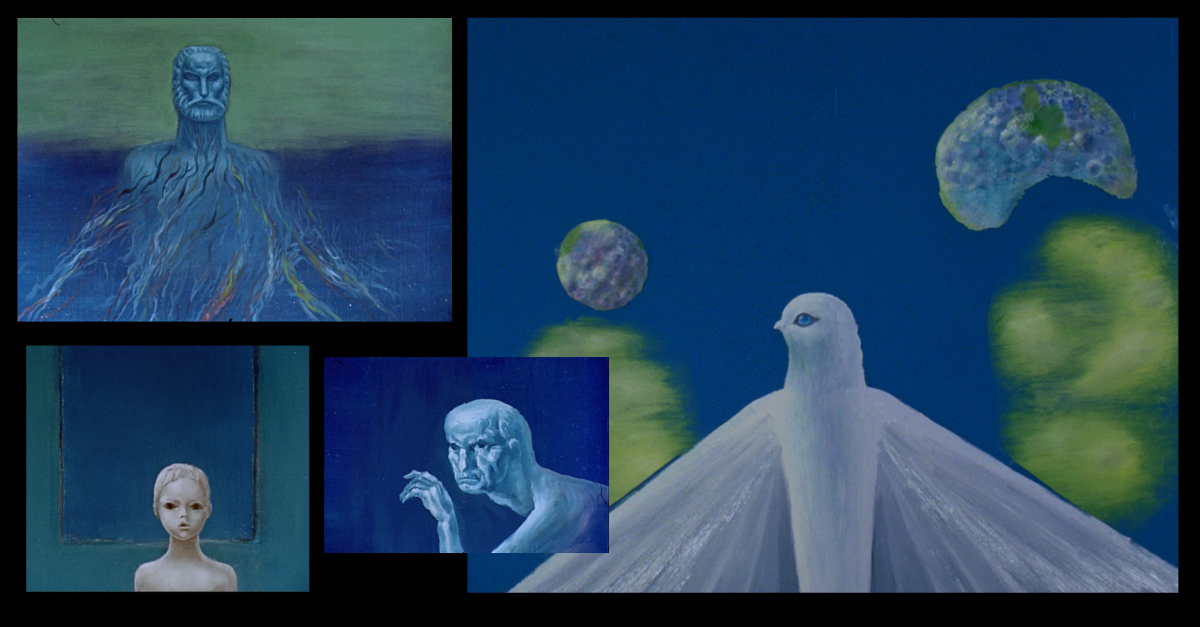
It is clear that throughout the animating process Bălașa is thinking like a painter. His work is exceptionally process-driven, using paint as an active element in the scenes rather than merely a vehicle for representation.
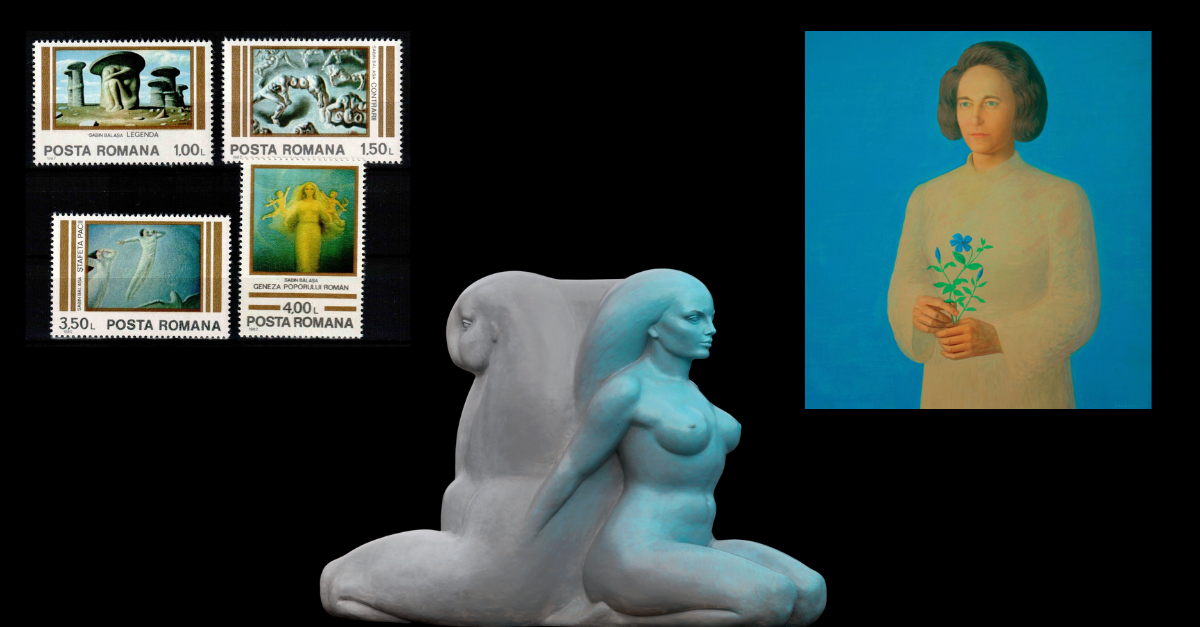
“By mistake, I was assigned only one life. If I had the opportunity to sculpt across expanses stretching for kilometers, I would never have painted. I would have given up the brush, or used it only to colour my sculptures.” -Sabin

Throughout his career, Bălașa made nine painted animations, all of which are now streaming on Eternal Family.
Thanks again to Tudor Bălașa, for the assistance in researching this piece, particularly his insightful and beautifully designed biography, translated throughout this article. Find more info on Tudor and Sabin in this article published recently: https://www.amurmur.org/sabin-tudor-balasa.
“Great art conveys a feeling. A total feeling, the only kind capable of being transmitted to the general biology [of humanity]. The value of art lies first and foremost in its emotional charge, which is the opposite of sterility. […] Great feelings ultimately give rise to genuine states of collective magic.”-Sabin Bălașa

Keep the magic going with us on Eternal.tv, where you can watch Sabin’s great films and many more 🙂