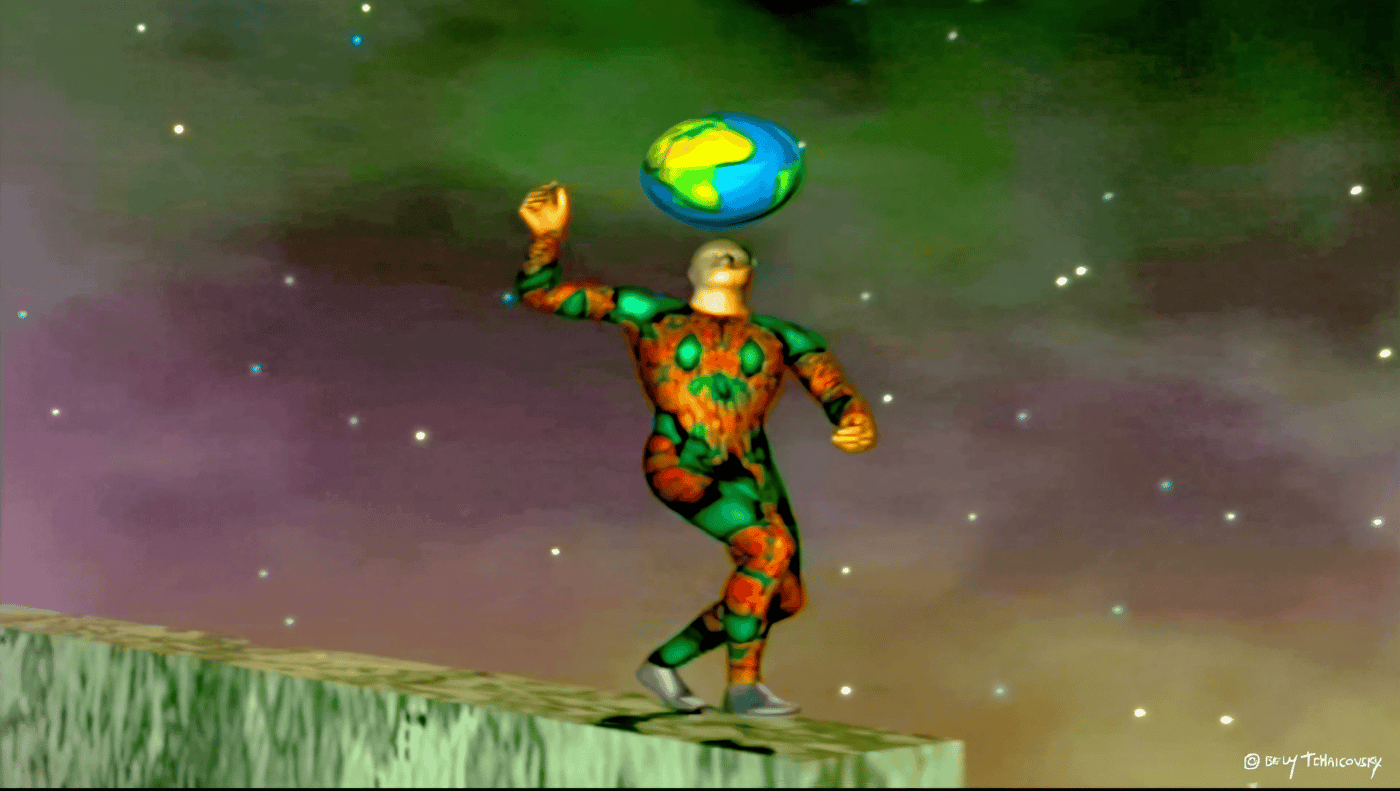
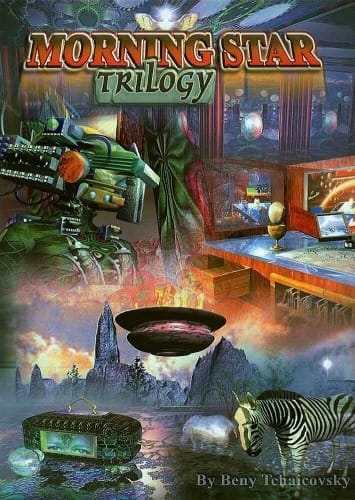
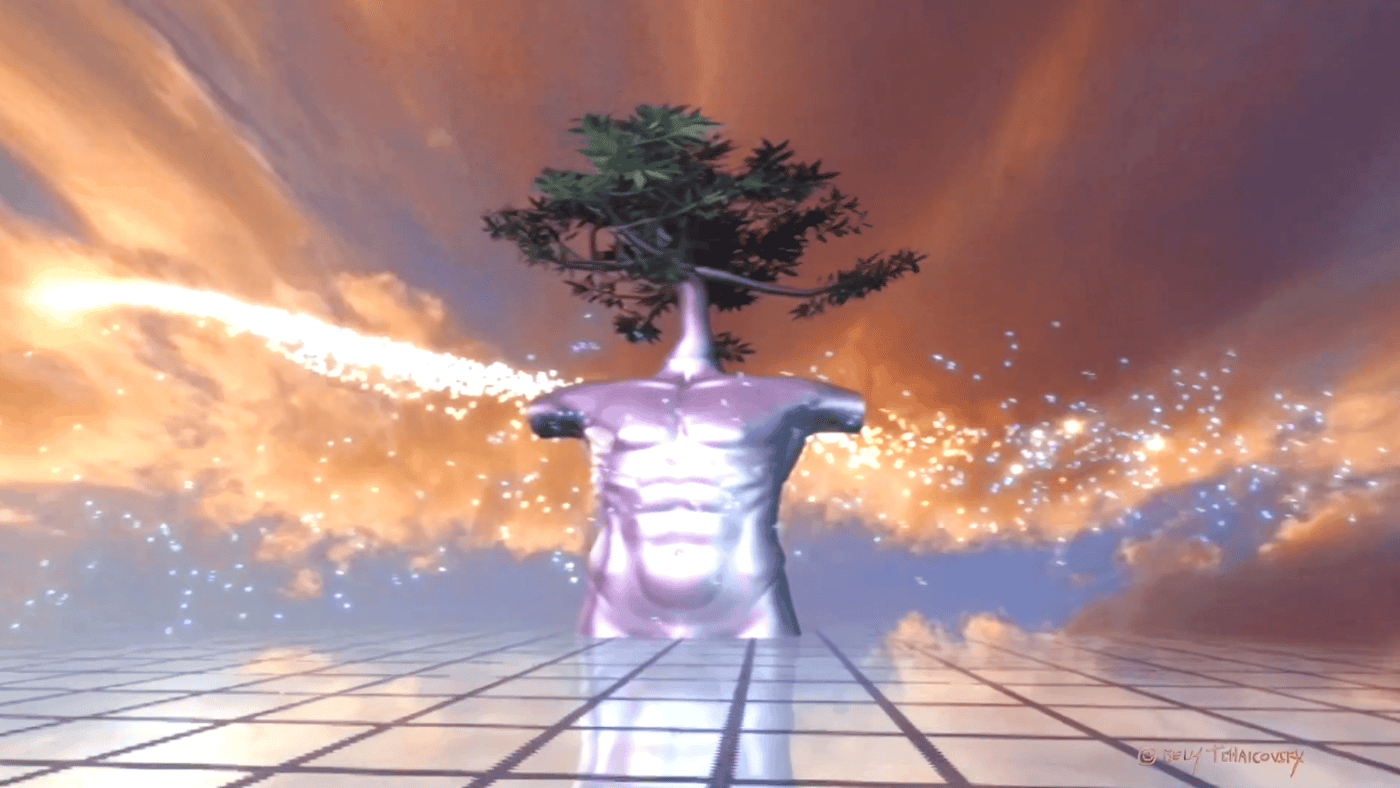
Blending mysticism with elements of the every day, Beny Tchaicovsky (1954–2009), developed Esoteric Realism: a totally fresh aesthetic that treated CGI as a medium of fine art. The Morning Star Trilogy (2001) defines this style, developing a vision as much a surrealist dream as it is a representation of real life.
Born in Rio de Janeiro, Brazil, Tchaicovsky was a painter, musician, composer, and multimedia artist. He was also a major innovator of 3D computer-generated imagery as fine art. His journey was as diverse and dynamic as his creations—one that spanned continents, media, and the very nature of reality.
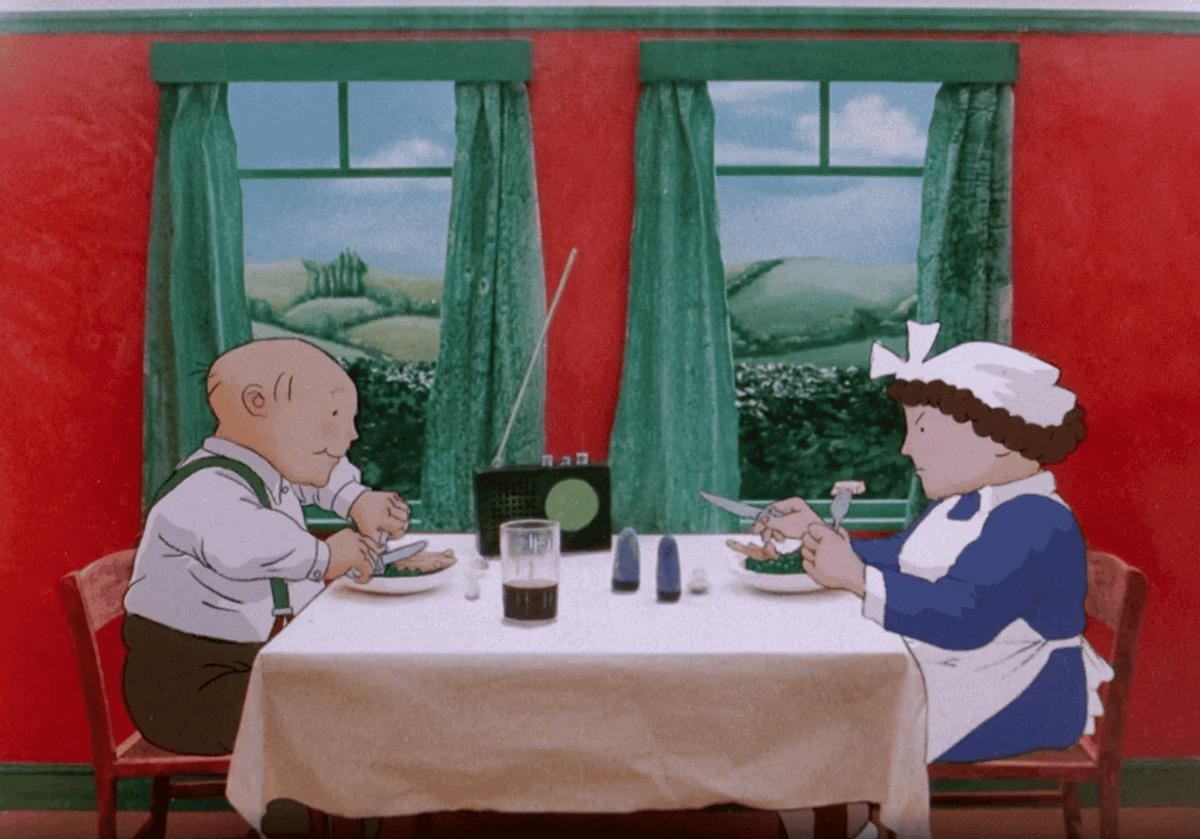
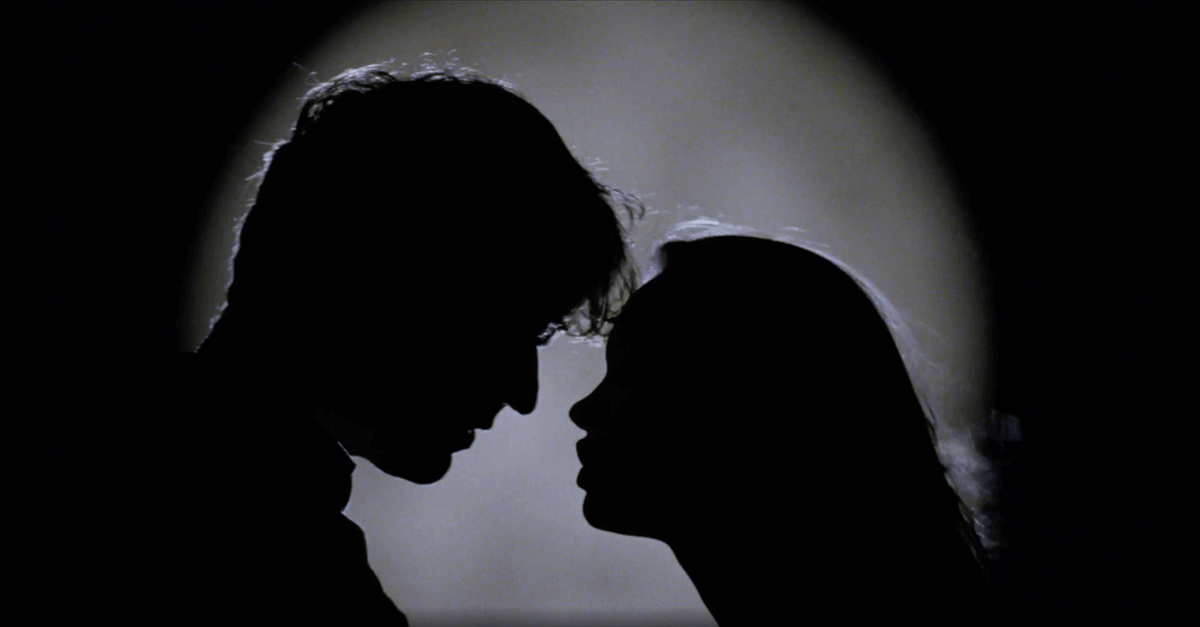
Tchaicovsky’s art filtered imagery of labour and everyday life through an otherworldly, dreamlike landscape:
Tchaicovsky: “I’m interested in different planes of consciousness and levels of reality—when you dream you already have a different level of reality and I think it’s important to explore that. I think as human beings it’s our duty to find out why we are here and what’s the meaning of all this. We have the means to do that through creativity.”
Roots and Visionary Beginnings
By the age of 17, Tchaicovsky had distinguished himself by exhibiting his drawings at the Museum of Modern Art in Rio de Janeiro. This early work was already developing the aesthetic mode he became famous for in his animations. Tchaicovsky resisted conventional labels, rejecting tags like surrealism, fantastic art, or metaphysical art. Instead, he called his approach “Esoteric Realism,” defining it as a means where creativity meets mundanity and the combination becomes a tool for expanding the human consciousness.
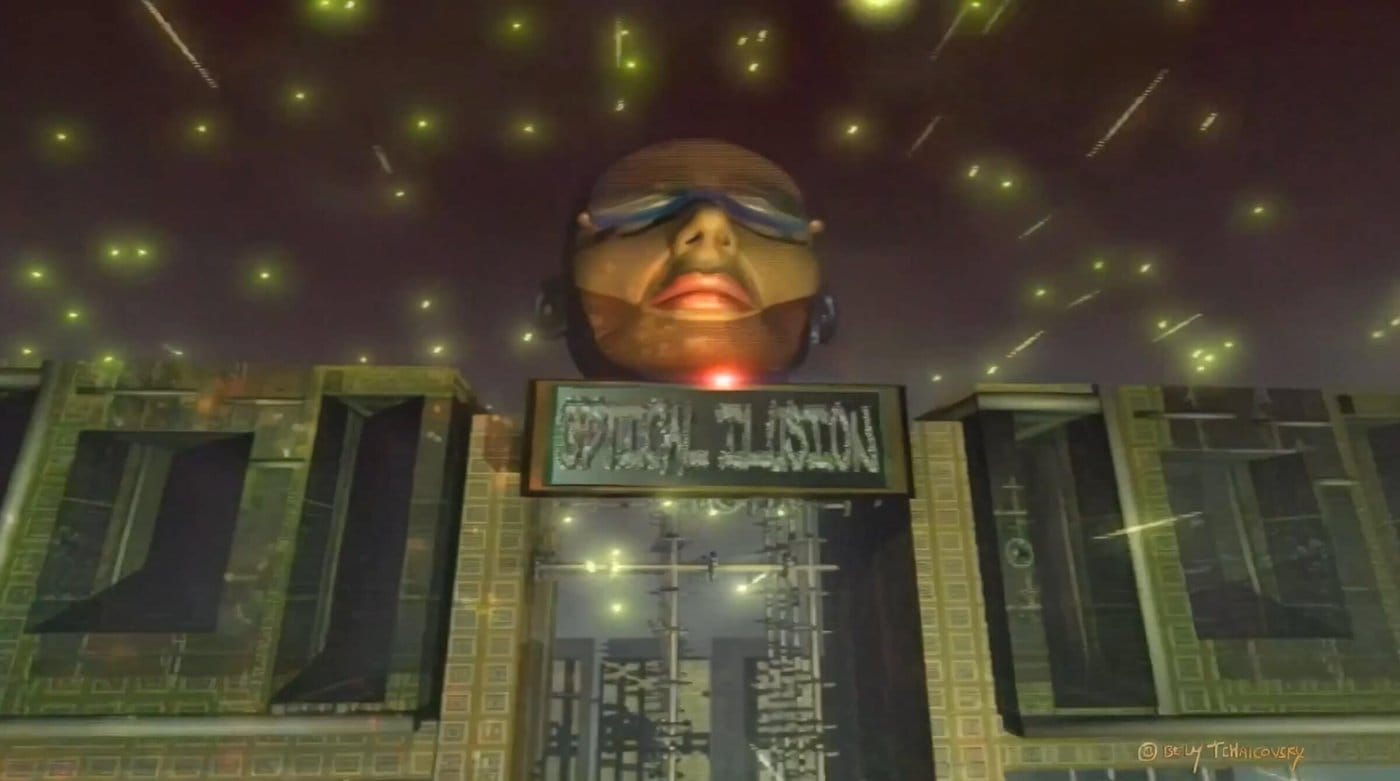
Tchaicovsky:“I see myself more as an explorer or a scientist who likes to observe things and go into things. The way I feel is like improvising, so I never know what’s going to happen; there’s always a surprise.
3D and Multimedia Innovation
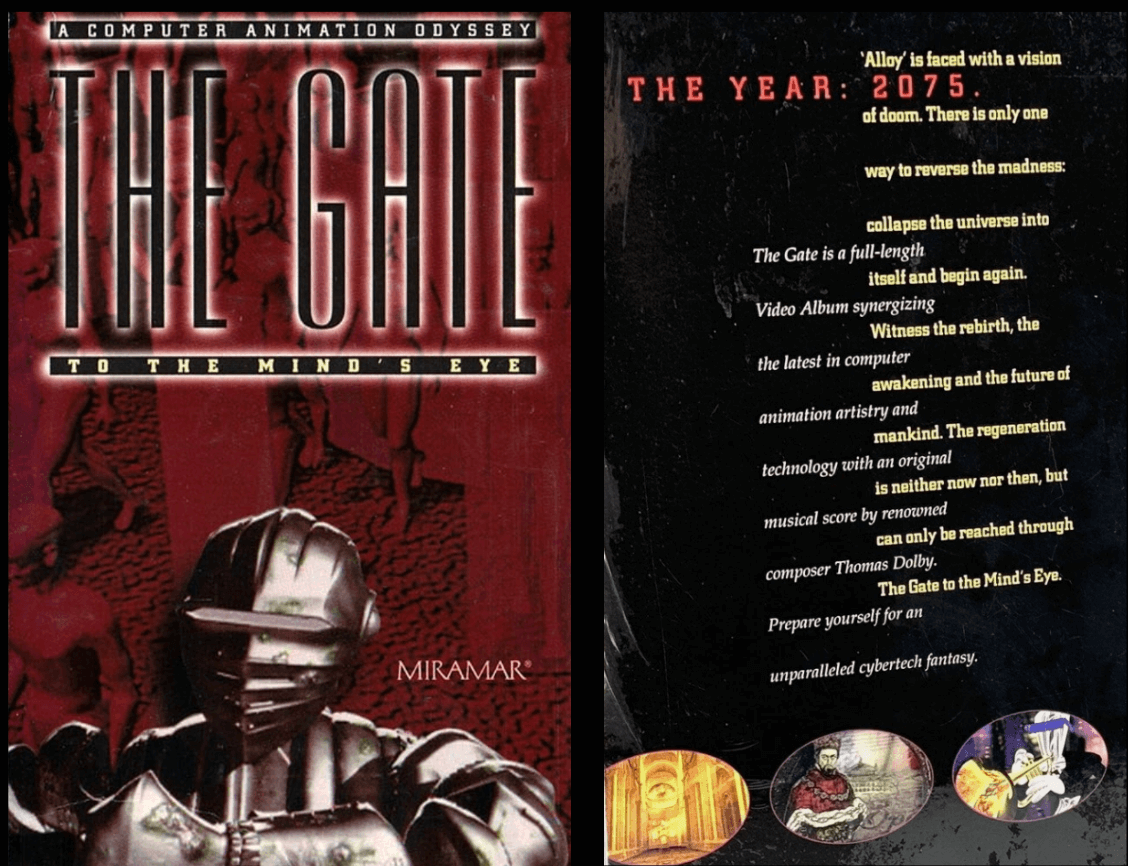
Relocating to Marin County, California, in the early 1990s, Tchaicovsky founded Zoe Productions in Fairfax in 1993. There he began experimenting with computer-generated imagery—not for commercial purposes but as a deeply expressive, visionary art form. He contributed to LaserDisc compilations like The Gate to the Mind’s Eye (1994) and Odyssey into the Mind’s Eye (1996) with segments such as Quantum Mechanics, Modus Vivendi, Delirium Tremendus, and House of Mirrors.
In 1997, he released his first full-length feature, Cyberscape: A Computer Animation Vision, using mythology and symbolism to trace humanity's journey from Eden to quantum mechanics—an audacious fusion of art, myth, and science. His later projects included the Morning Star Trilogy—The Call, Caught Between Worlds, and Dimensional Connections (all 2001). These three are available to watch on Eternal Family.
On Esoteric Realism:
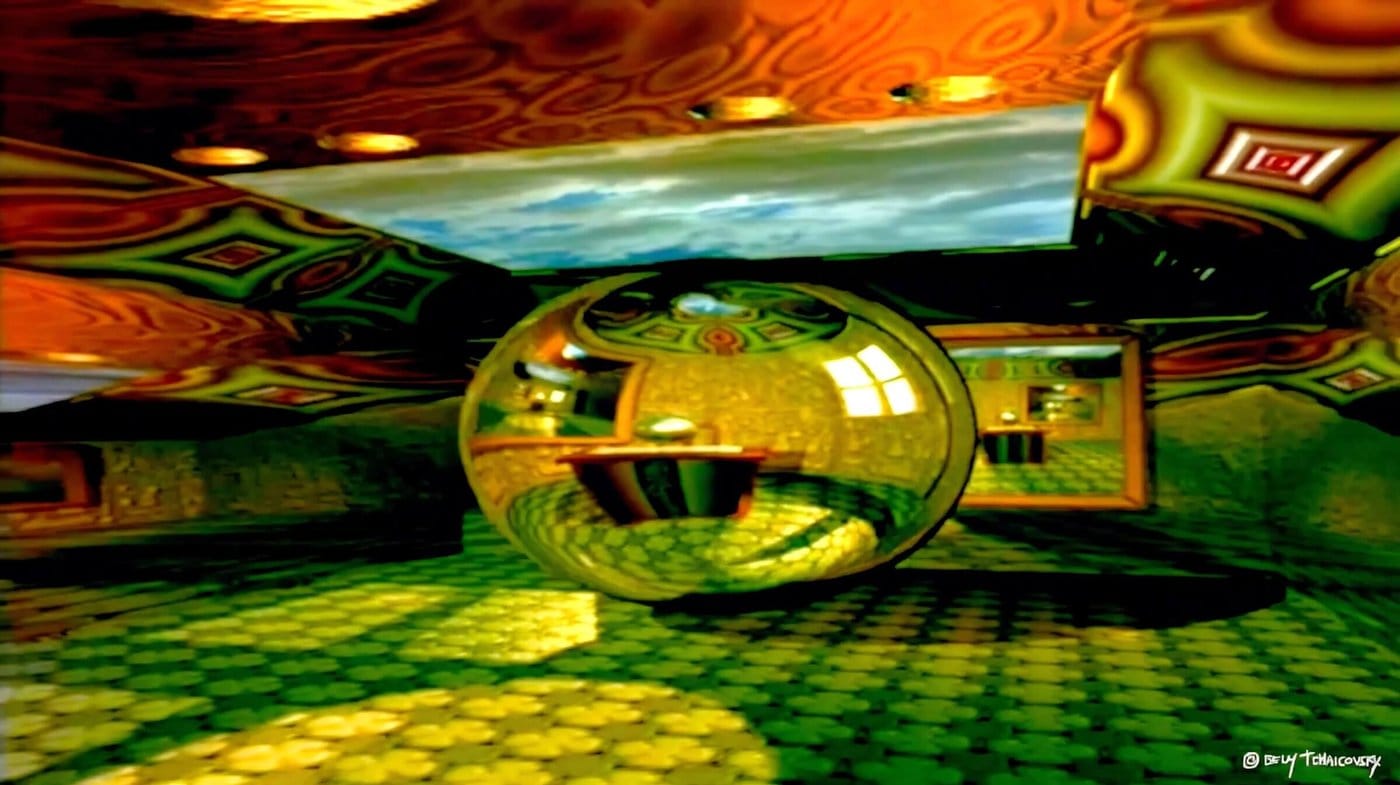
Mysticism was a consistent theme across his work, stating in an interview that “All life is mystical. The person who lives an everyday life—who is conditioned to see life in a certain way—misses the magic of life. Through painting and acts of creation one notices that everything is a mystery. Creation is a mystery, daily life is a mystery too. It’s through our habits and conditions that we become blind to the novelty of each moment.”
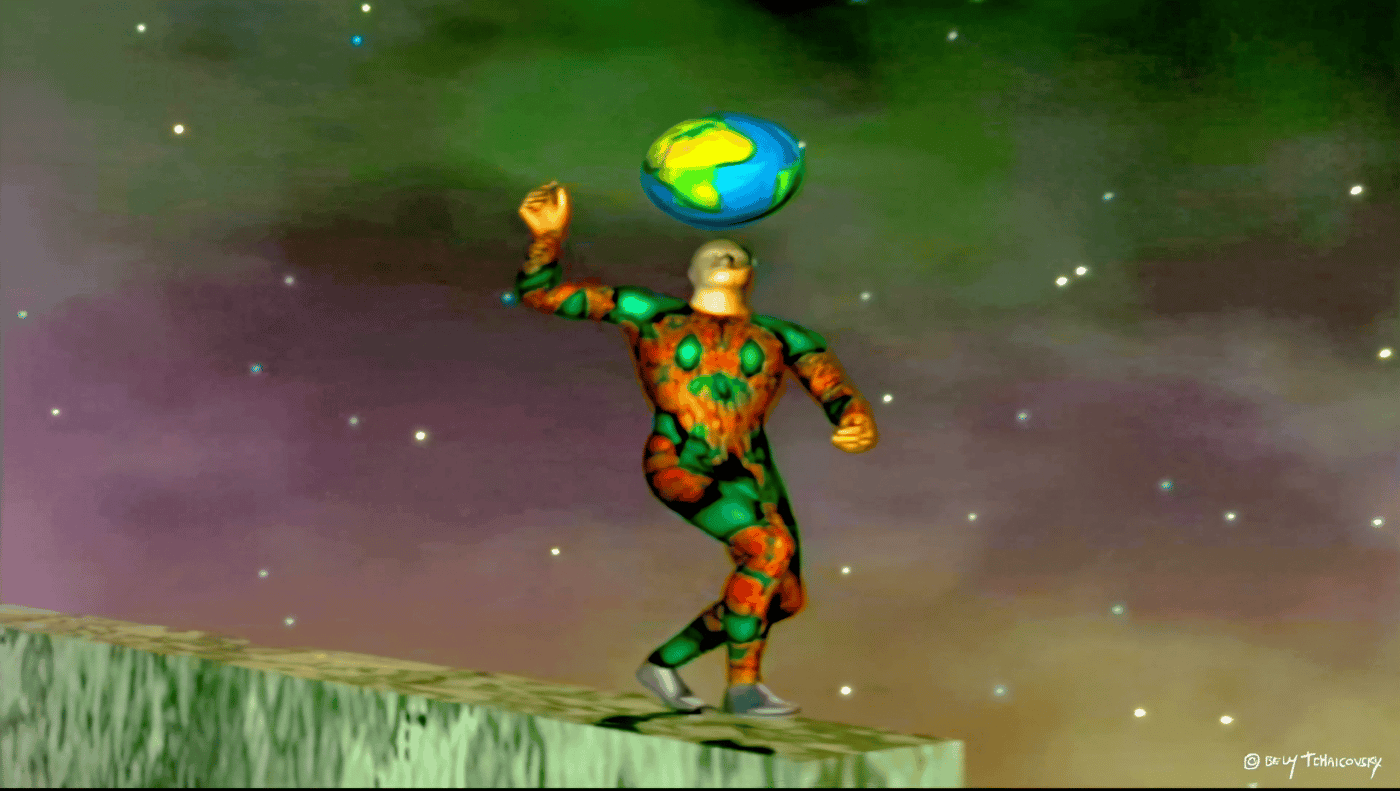
As a multimedia artist, he foresaw the future of art as an immersive, intermedia experience:
Tchaicovsky: “I see the future of my art and the future of art itself as uniting all different medias into one thing. With technology, I like to create three dimensional paintings, to have people live in them and go through them and to experience a new world.”
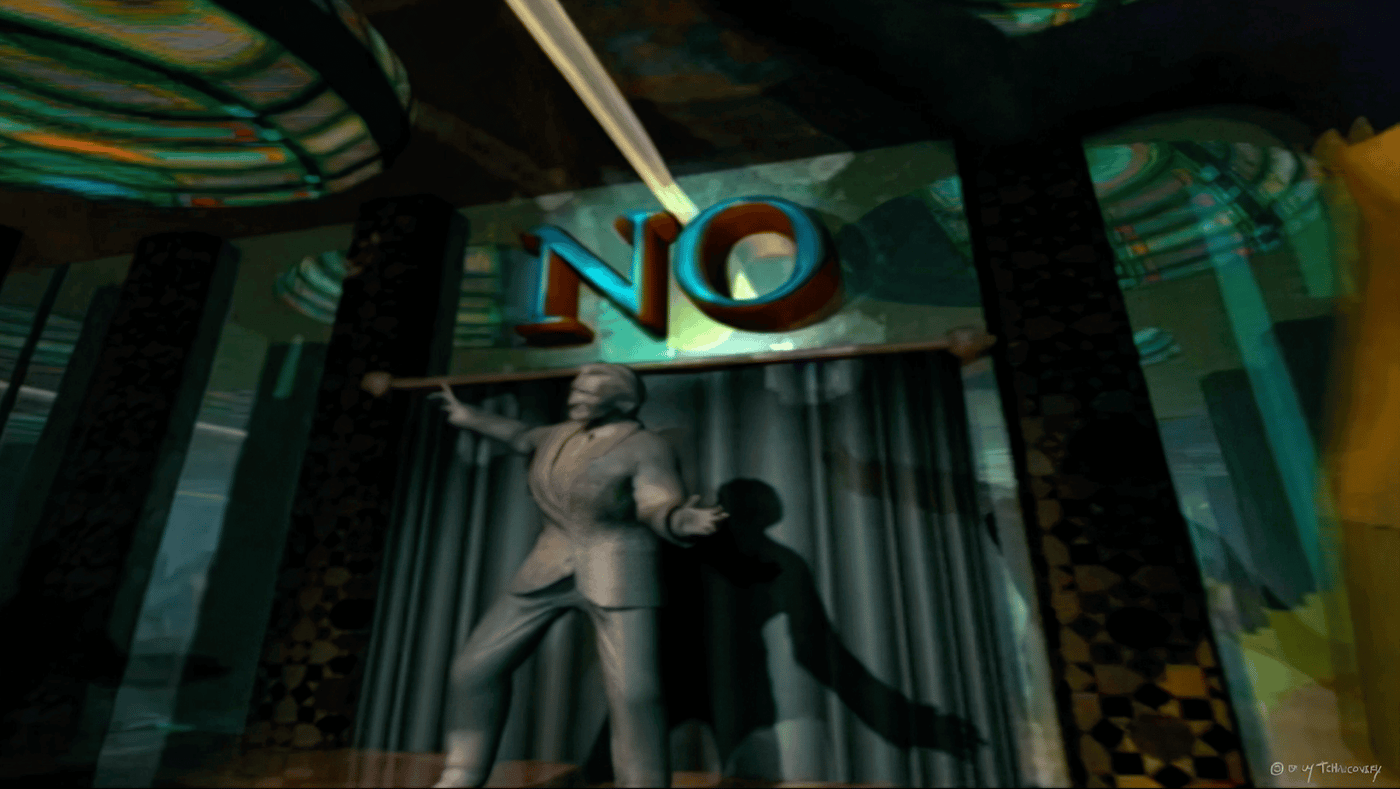
Throughout his career, Tchaicovsky was committed to art as a medium for defamiliarization and creative discovery. With his beginnings as a painter and commitment to the multimedia endeavour, he brought surrealist and visionary art movements into the medium of 3D. Tchaicovsky combined media and messages, uniting seemingly opposite forces to create a heightened awareness about creativity itself. His legacy endures as a testament to the power of creative freedom, innovation, and the wilder experiences of the human condition.
For more information, visit Beny's personal website here.
Written by Megan Switzer