
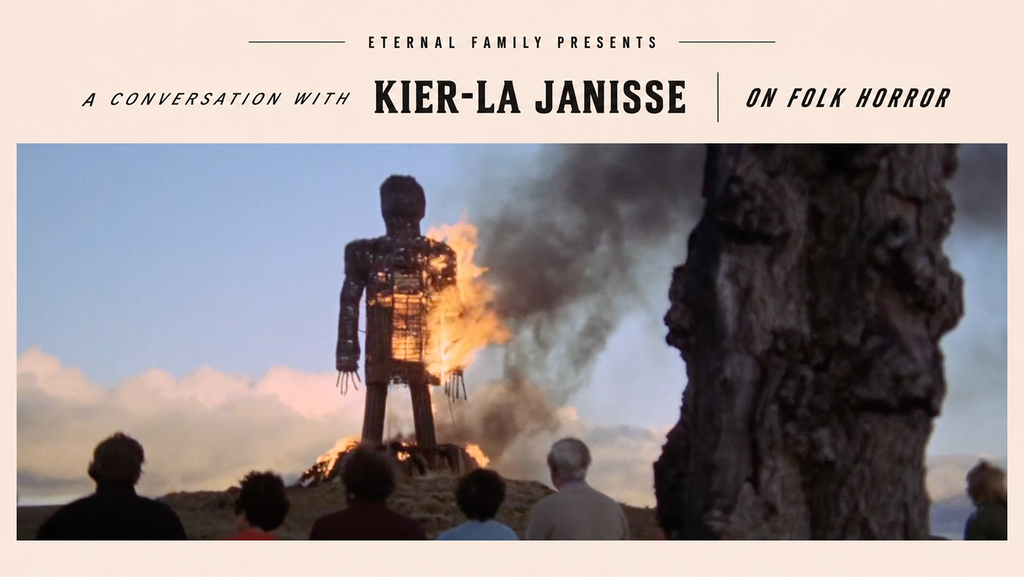
Canadian filmmaker, writer, and curator Kier-La Janisse has spent much of her career exploring the margins of horror cinema. The author of House of Psychotic Women and founder of the Miskatonic Institute of Horror Studies, Janisse has worked across film programming, publishing, and preservation.
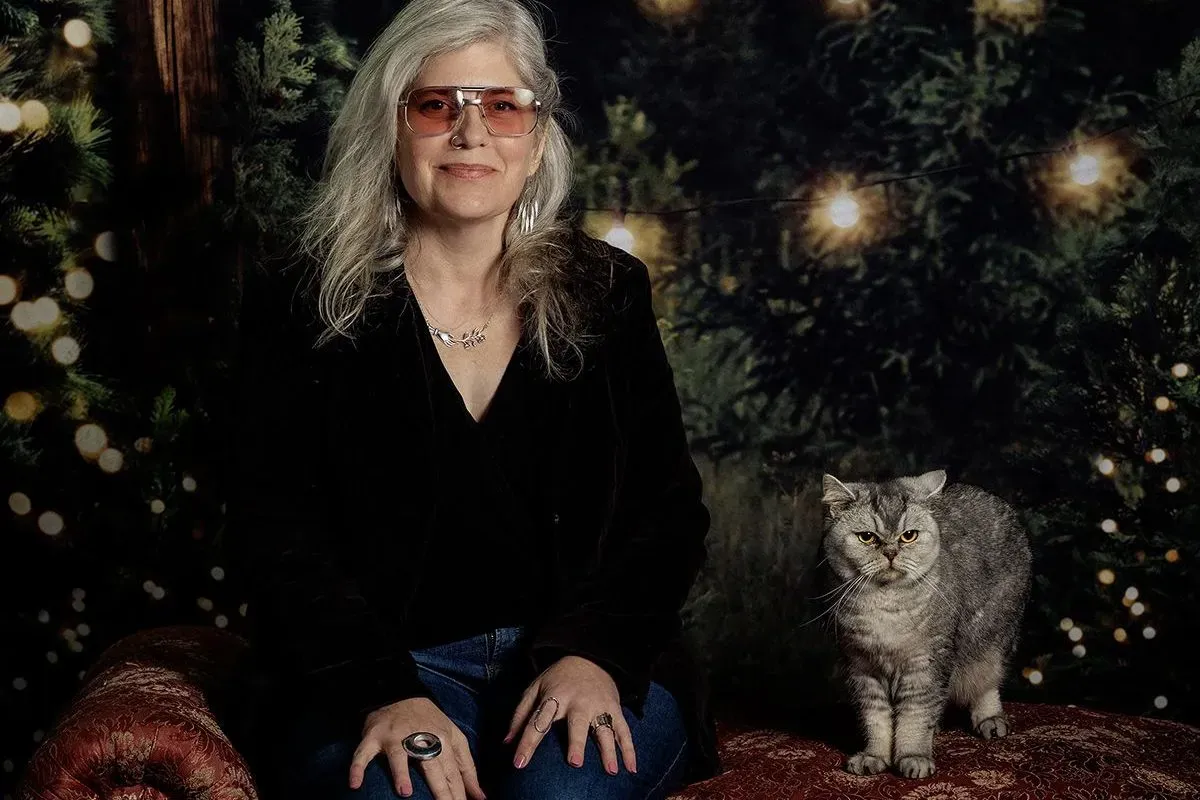
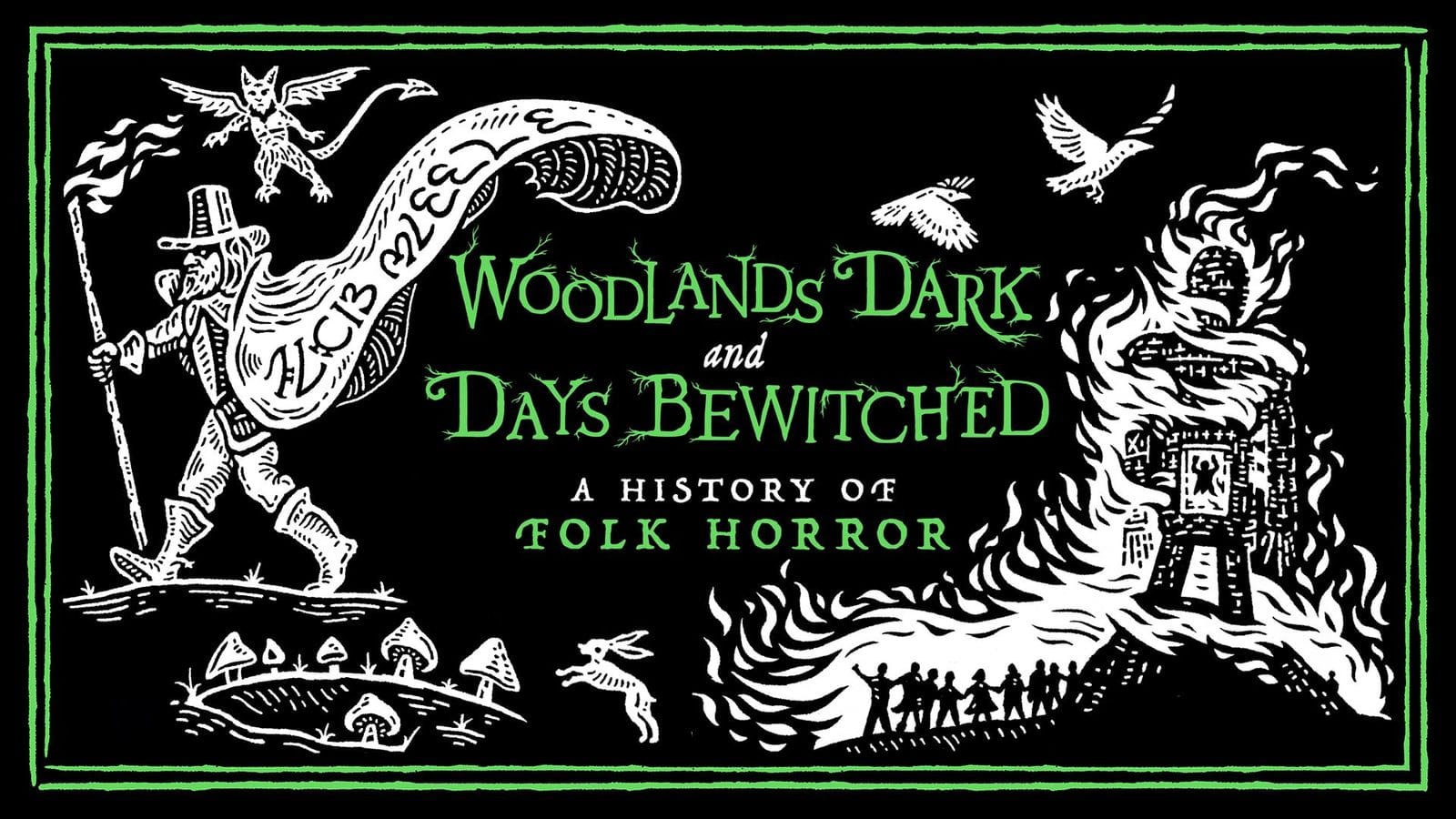
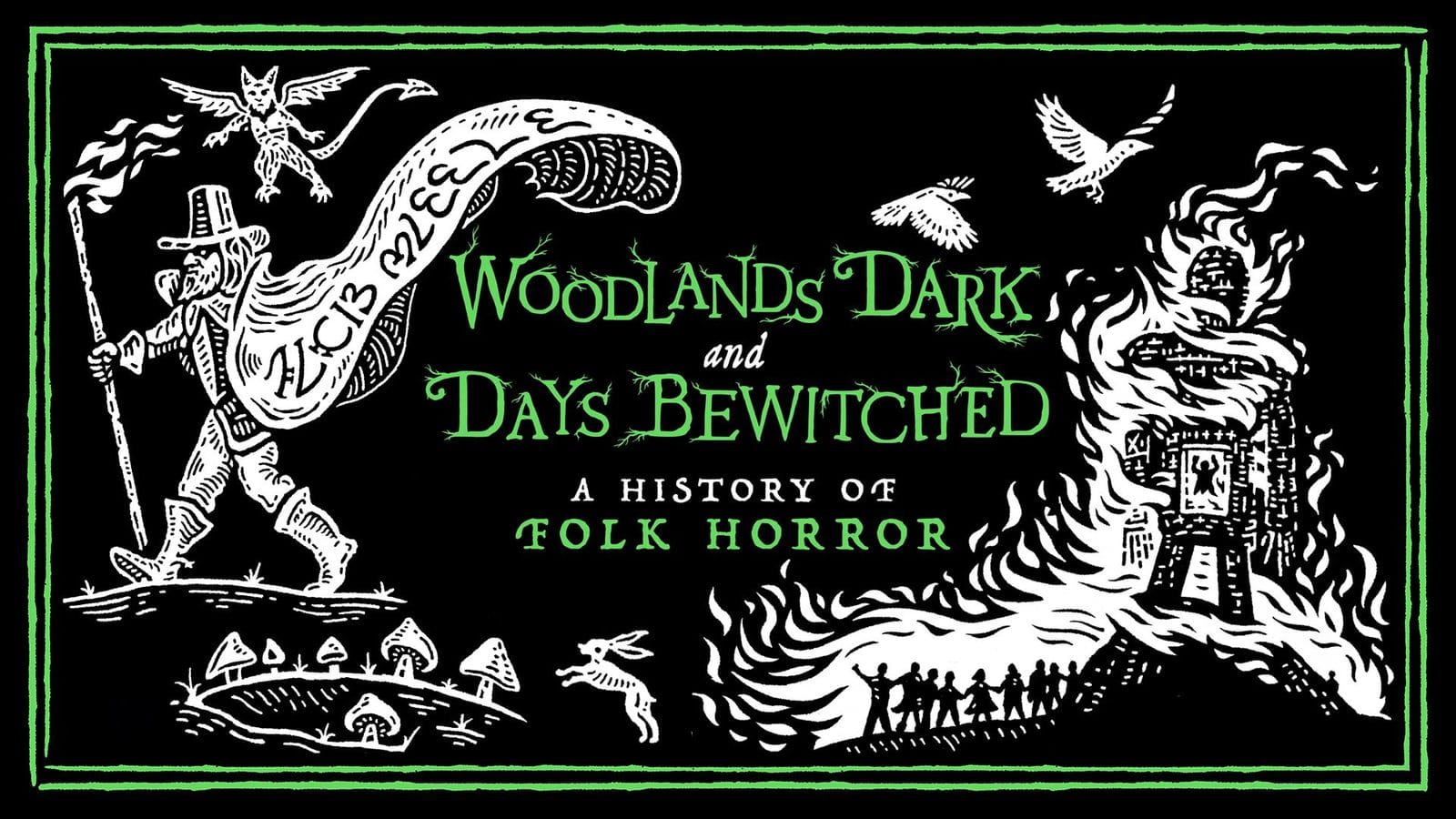
Her feature documentary, Woodlands Dark and Days Bewitched: A History of Folk Horror (2021), traces folk horror across countries and cultures, exploring the genre's relationship to landscape, narrative, and historical memory. Janisse meticulously brings together over 50 interviews, and touches on over 100 films from across world cinema, constructing a thoughtful, multifaceted anthology of the folk horror subgenre.
Last Friday (the 13th !), we spoke with Janisse about how the film came together, and what's next for her. The film is likely the best resource ever made for finding film selections, historical context, literature, and contemporary voices on this unique mode of horror storytelling. It is also available to stream on Eternal Family, and we encourage you to check it out.

EF: Thanks so much for joining me today. First off, this is an incredible documentary. What made you want to make it ? And how did you become acquainted with the concept of folk horror?
Kier-La Janisse: So it was something that I was interested in just from horror films I'd seen as a kid. I work at Severin Films as my day job, where I work as a producer. And at the time, I was just an editor for Severin, so I was not even a producer yet. This was how I became a producer for them. They were doing a new Blu ray of the film, Blood on Satan's Claw, which is considered one of the "Unholy Trinity" of folk horror films.
And they were kind of just making it with extras from The UK edition. They weren't planning to make new extras, and I was thinking, oh, you're not gonna do anything new? And he's like, well, what can we do? They've already interviewed everybody. There's nothing else to add. I said, well, why don't you just make a little documentary about folk horror or something? And my boss was like, folk horror? What's that? And so that was really what started it was that he was asking me, well, what is folk horror? And I start explaining it to him, and he's like, well, that sounds good. Make a extra about that. So it was just supposed to be a twenty minute thing about folk horror that was going to be very focused on, a small subsection of British folk horror. And then as I started doing the interviews and doing research and stuff, it just expanded and expanded, and then became this three hour thing.
EF: What was a gateway film into folk horror for you?
Kier-La: I became really obsessed with The Wicker Man. I think I was 17, and I rented it at Movie Village. I lived in Winnipeg at the time.
I was convinced it was real because of the stuff at the beginning of the film where it says, "We would like to thank the people of Summerisle for giving us access to their customs," So I totally thought it was based on a real place, and that all the extras in the movie were the real people from that island.
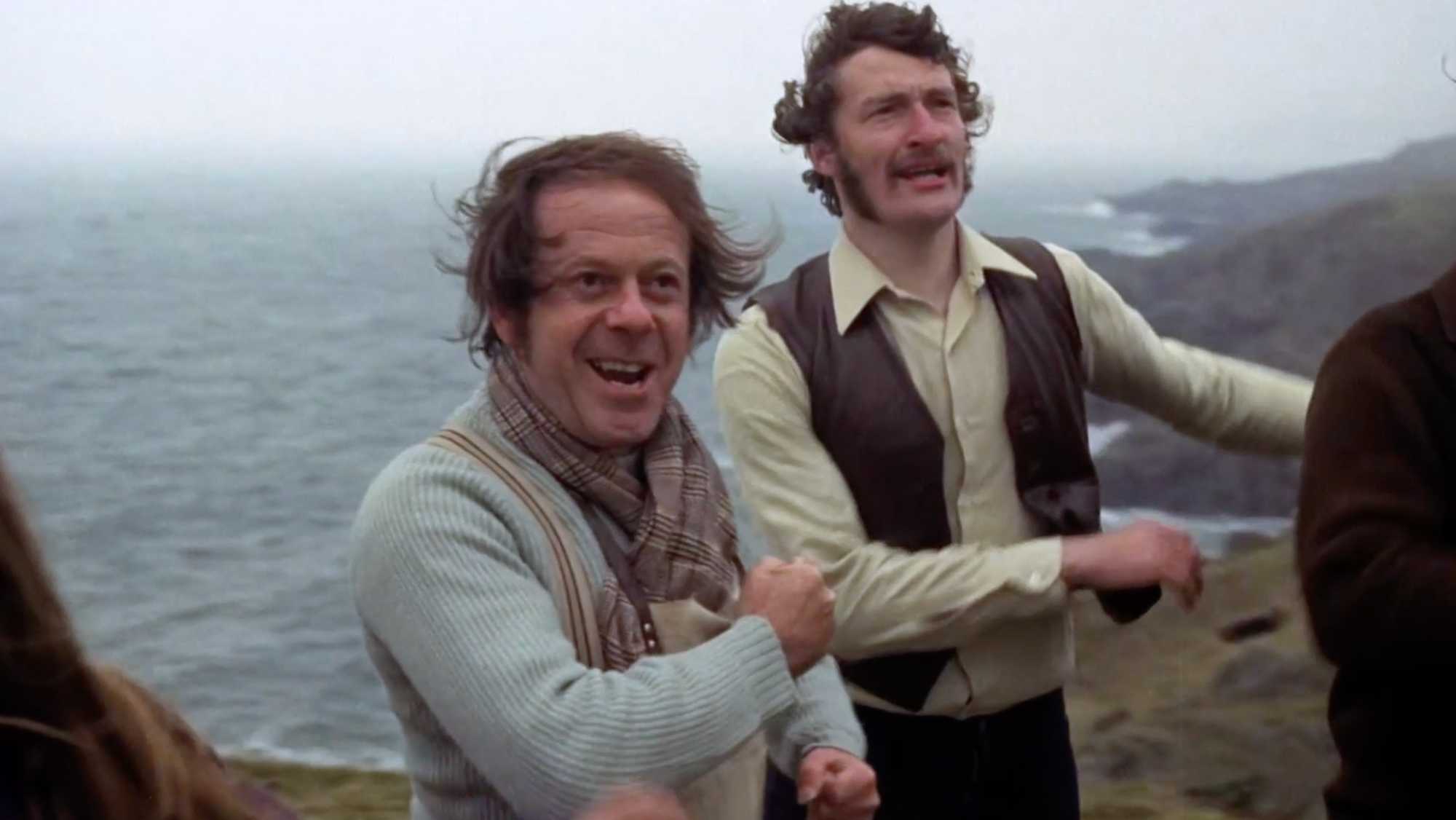
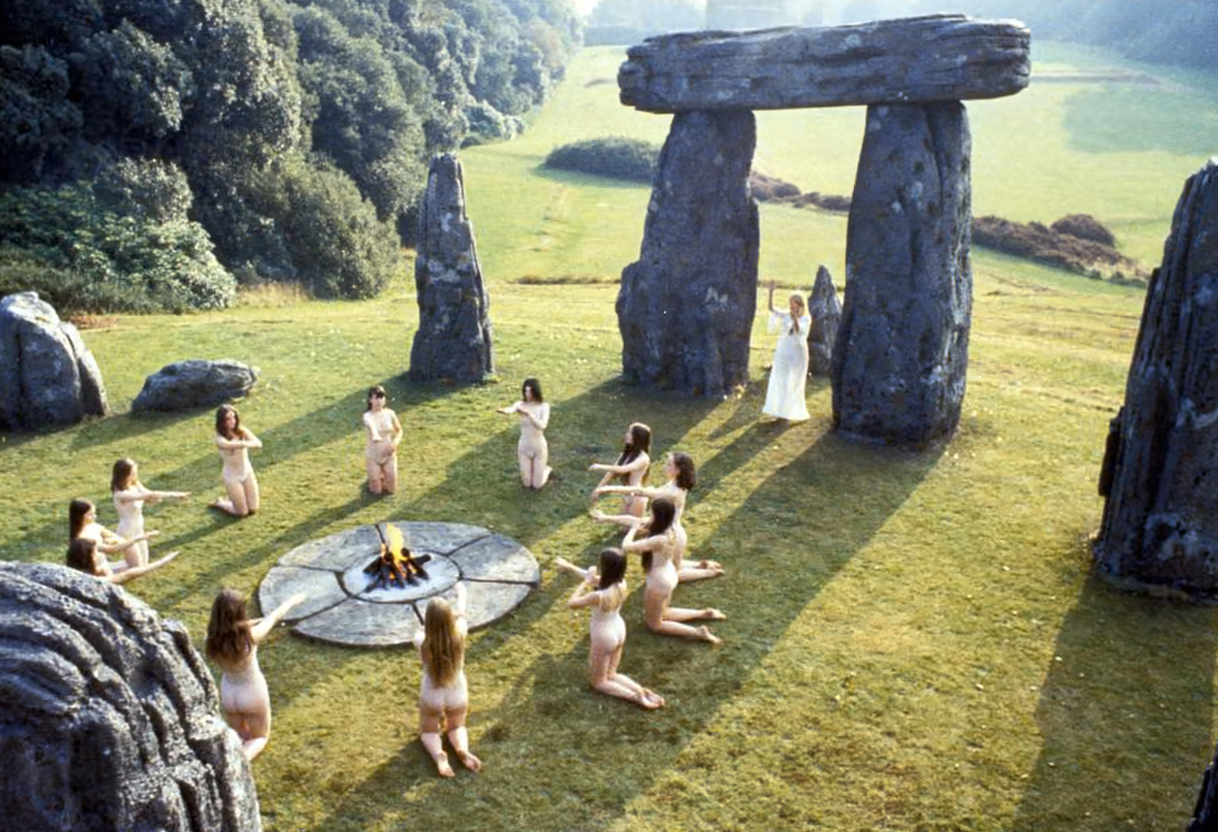
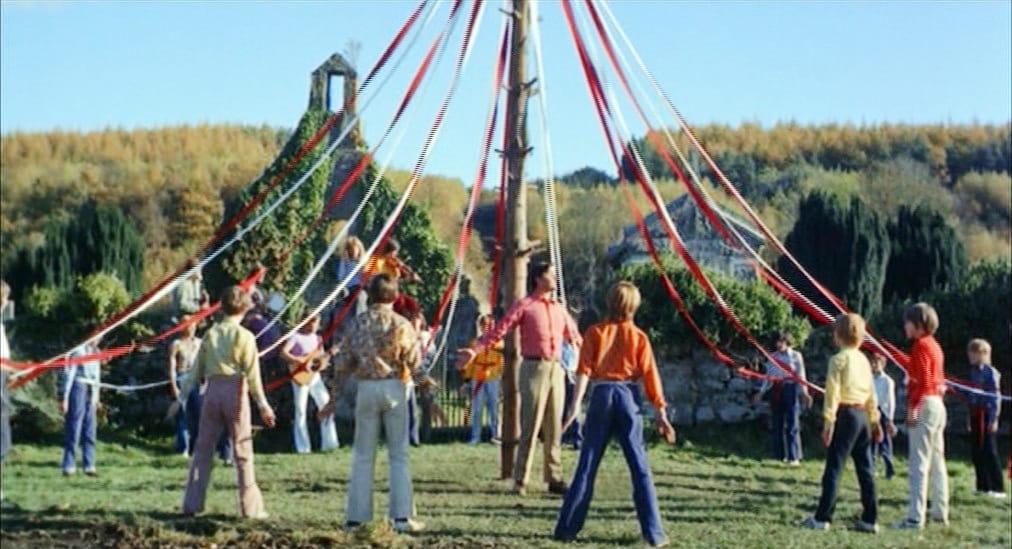
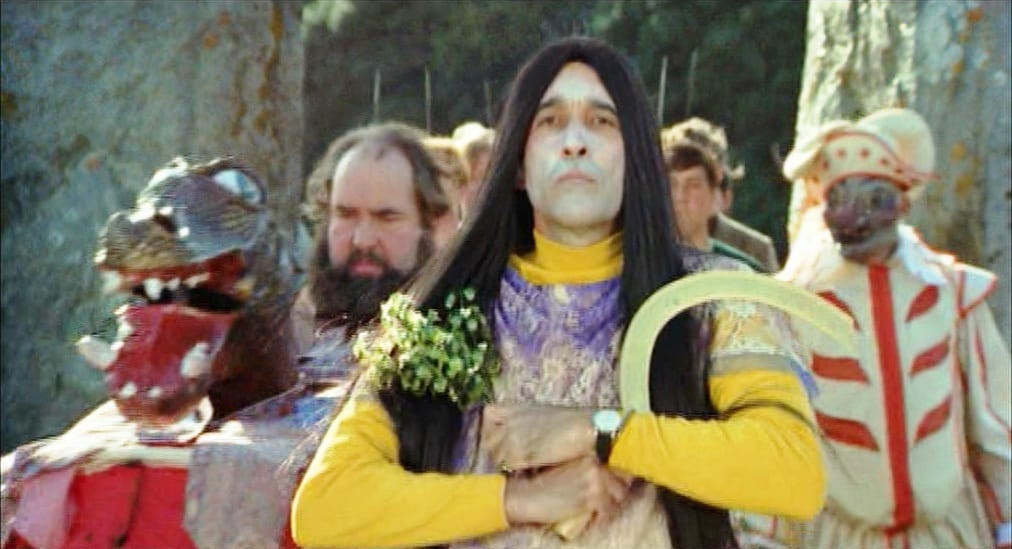
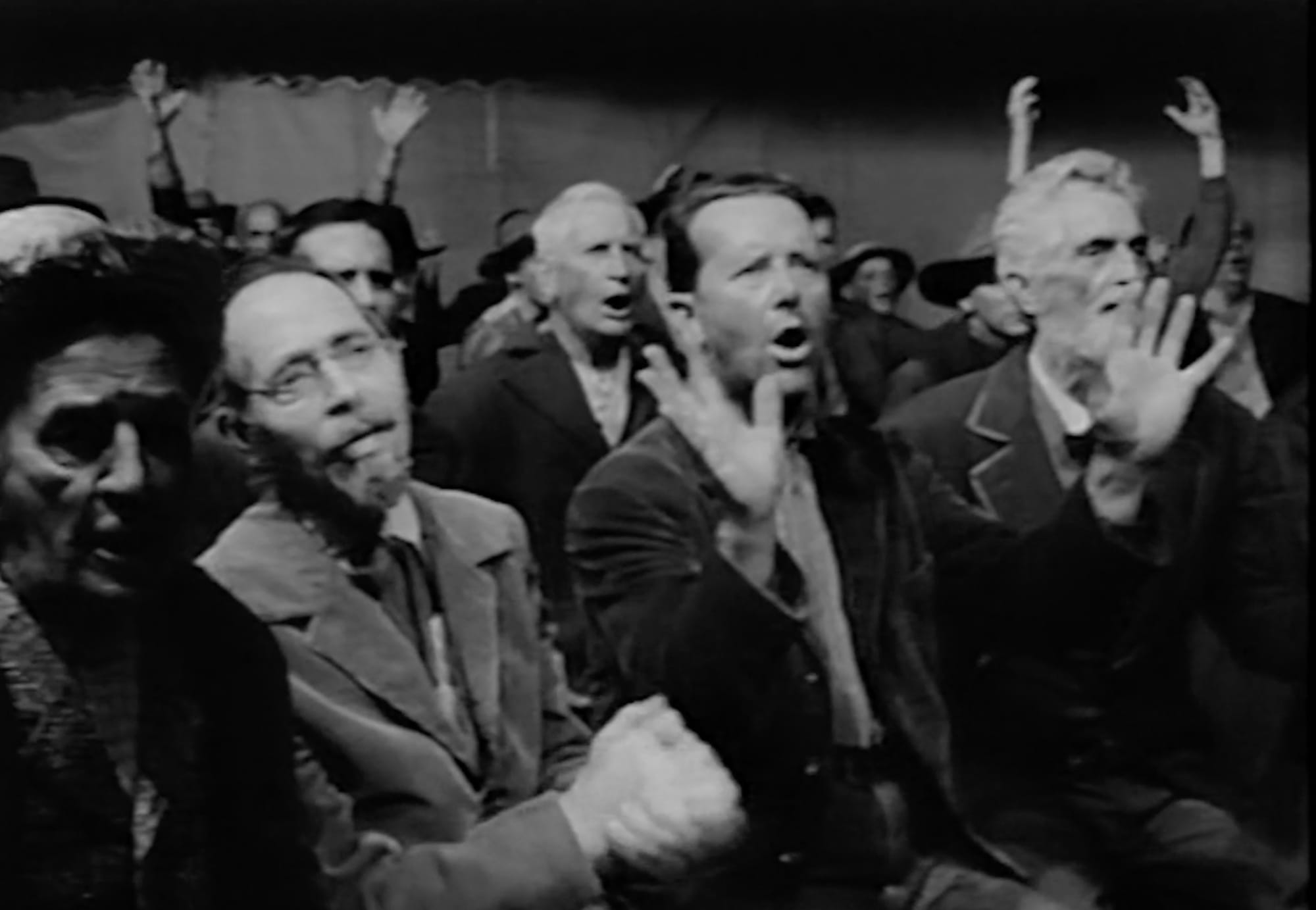
Villagers in The Wicker Man (1973)
I'm a big fan of visiting film locations, and that was the first film location I ever visited, going over to Scotland. I went specifically to a town called Plockton, where they shoot the harbour plane coming in and landing in the harbour of the town.
Opening titles from the Wicker Man, featuring the plane arriving in Plockton.
I was a big fan from that, but it wasn't until around 2010 that I started hearing the term folk horror in articles that were mainly coming from British writers.

EF: How would you define folk horror for a first-time viewer? How would you distinguish it from horror generally?
Kier-La Janisse: Folk horror in its most basic definition is usually horror that takes place in a rural environment, that has something to do with folk customs, practices, or beliefs. Often there is a clash of beliefs that happens because usually there's a concept of insiders and outsiders. The perspective of the film will often be either from the perspective of an outsider coming into this small insular rural community and being shocked by their customs and traditions, or it will be from the perspective of somebody who lives inside an isolated rural community who is afraid of things that are coming in from the outside. People argue a lot about whether a film is a folk horror film or not, and a lot of that has to do with the really unique things that converge in a folk horror film.
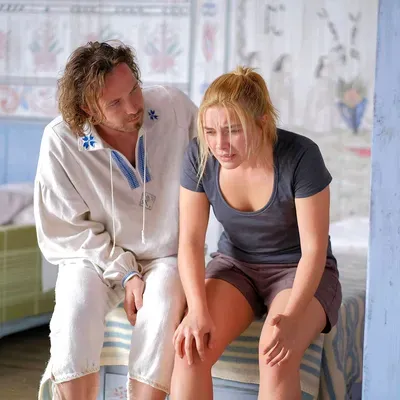
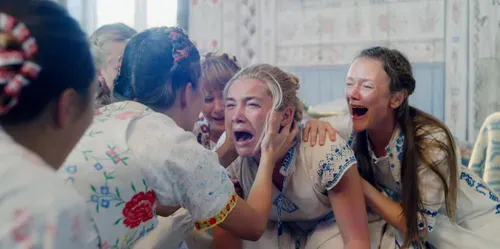
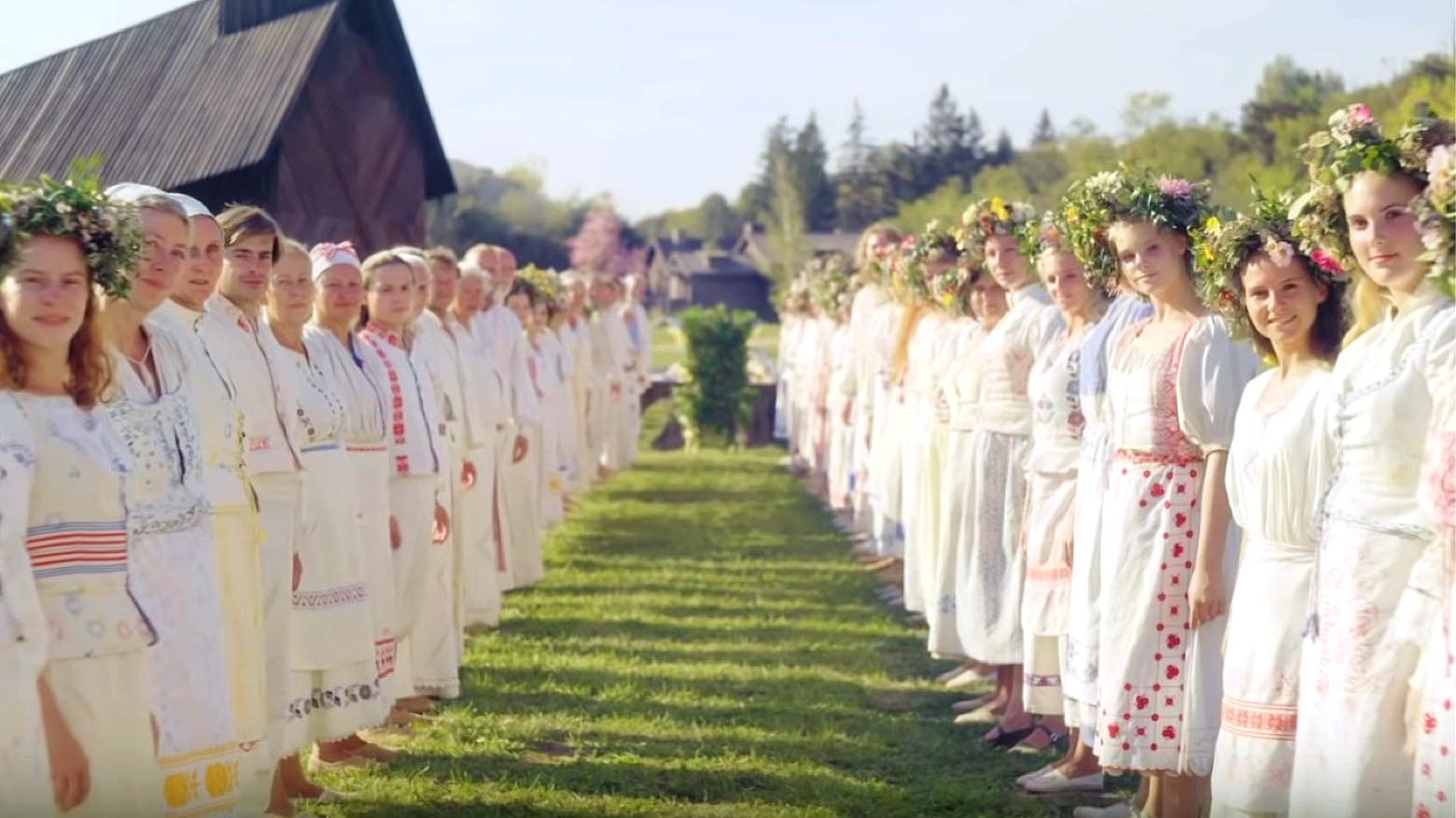
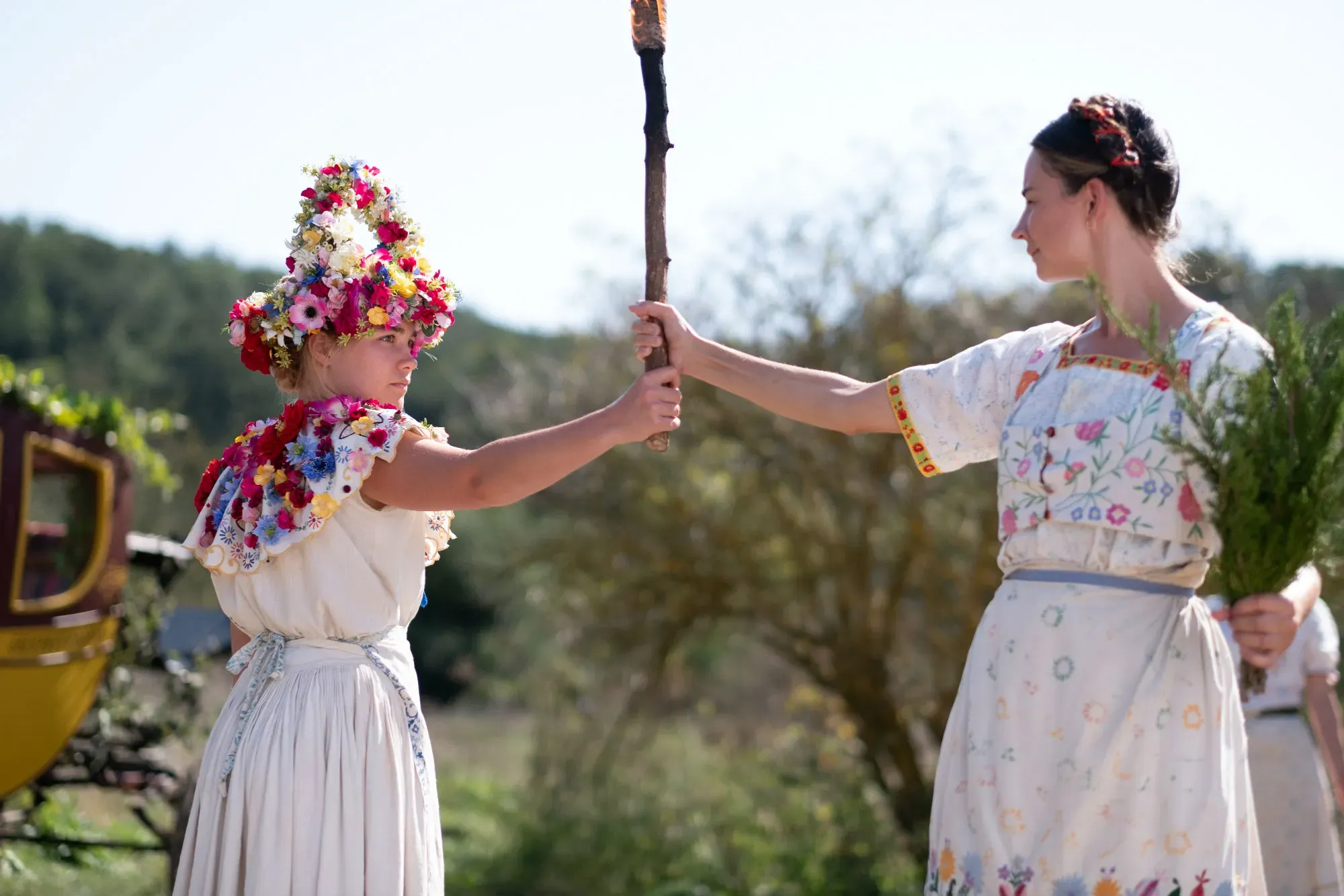
A recent, very notable example of this sort of plot is Midsommar (2019) also referenced in the documentary.
Kier-La: Folk, folklore, folk culture– it is a moving living thing. It is a breathing thing. It is not something that happened in the past that you can cleanly identify. It is something that is living now and changing constantly now. An understanding of that is really important for folk horror and for understanding why so many seemingly disparate things end up getting branded as folk horror films. Adam Scovell in my documentary described it as a mode rather than a genre. A lot of people have kind of grabbed onto that. When he said that, a lot of people really clicked with that and they were like, yes, that defines it better than a genre.
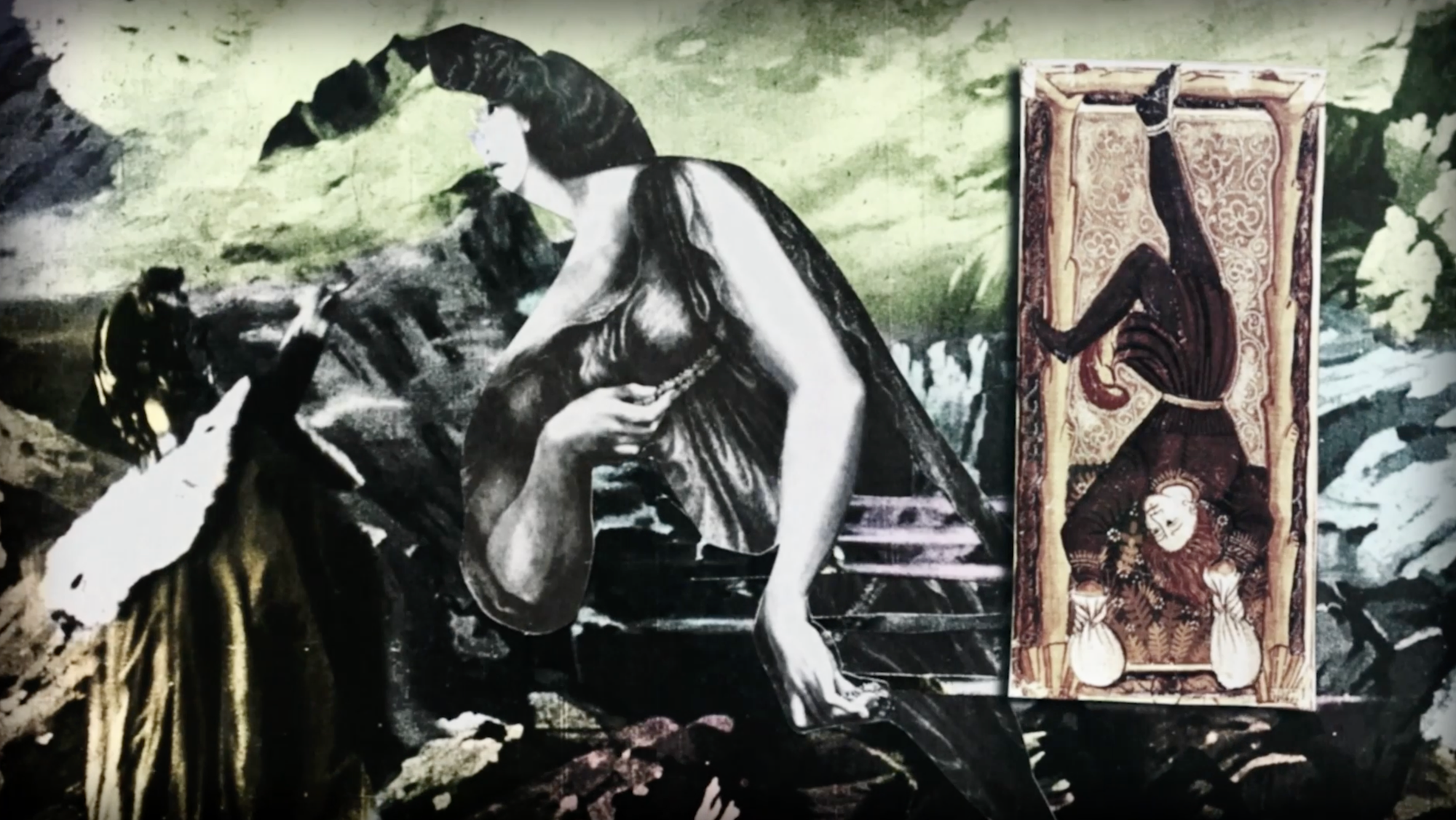
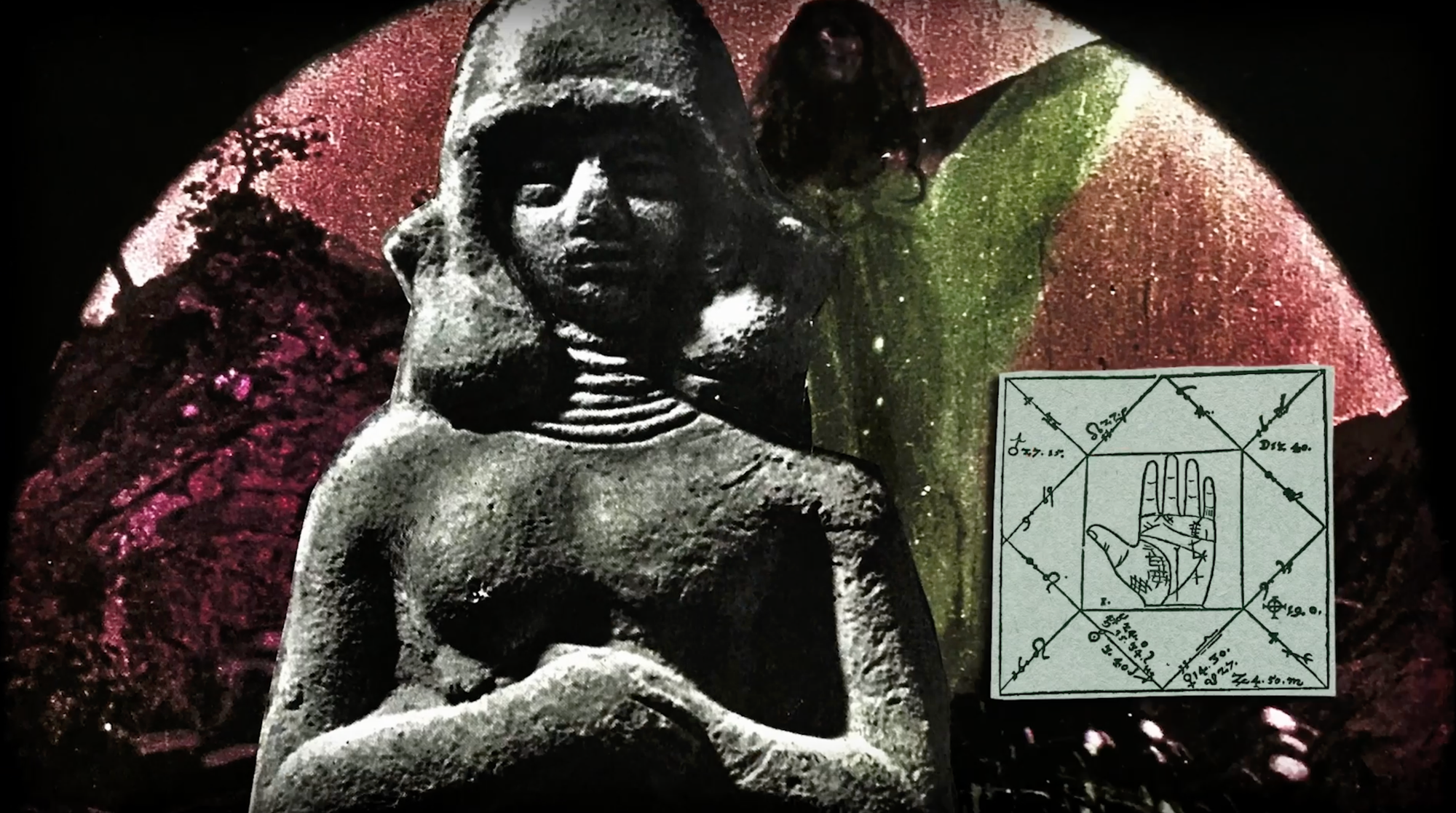
Featuring collage art vingettes by Canadian filmmaker Guy Maddin.

EF: In the documentary, we see a lot of films where the catalyst of the 'horror' comes from traditions that are colonized, co-opted or replaced, from the Hollywood trope of the "Indian burial grounds" to and witch archetypes. How do you think about power and replacement in the context of folklore?
Kier-La Janisse: I think one of the central anxieties in folk horror is that the things you repress will return. Instead of a domestic space being haunted, it's like a country being haunted, or a geographical region being haunted. One of the central conceits of folklore and also psychogeography, which comes into discussion in the film as well, is the idea of spaces being haunted, larger spaces being haunted. Usually it has to do with something where it's a tragedy on a larger scale. It's the massacre of a village, or it's a genocide.
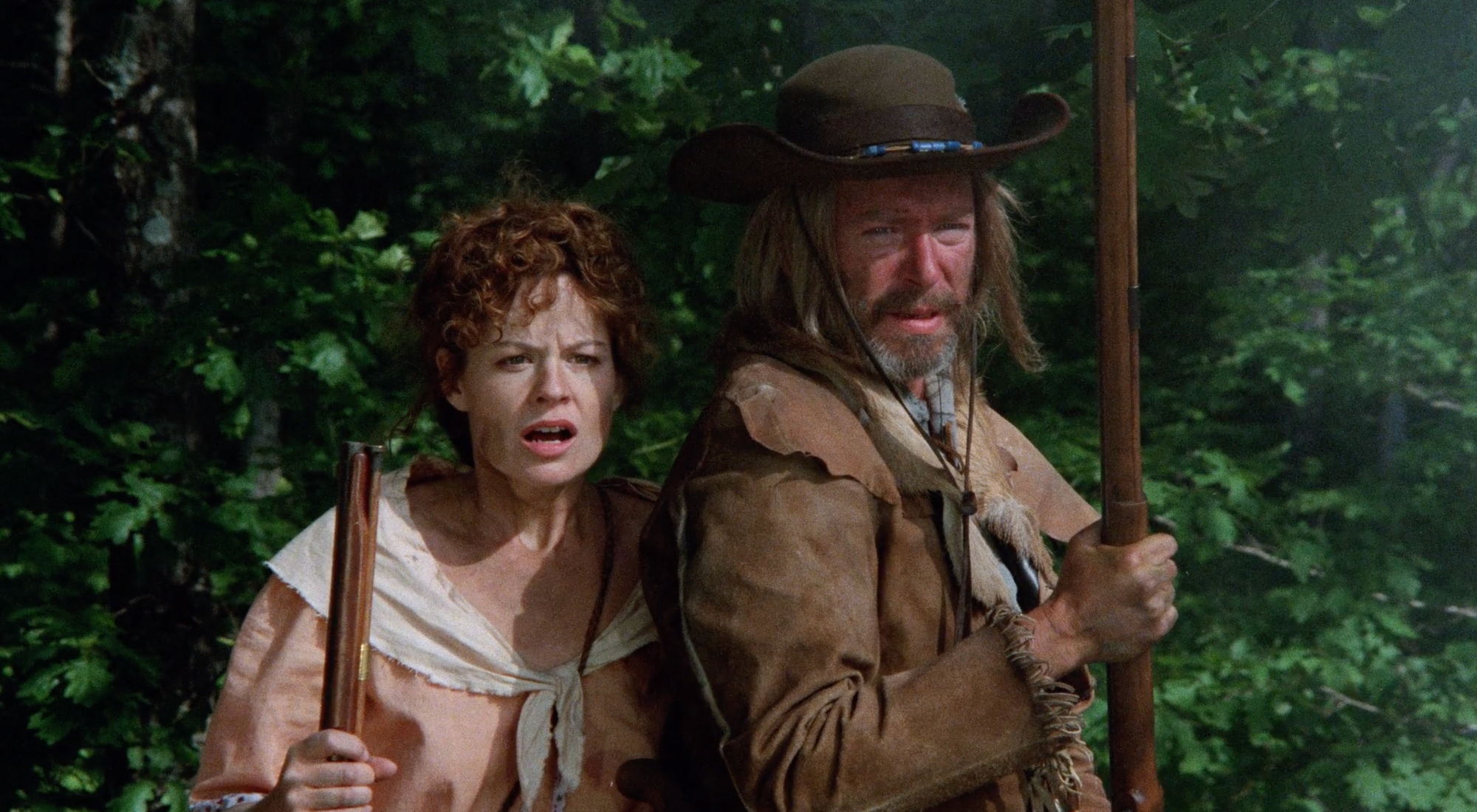
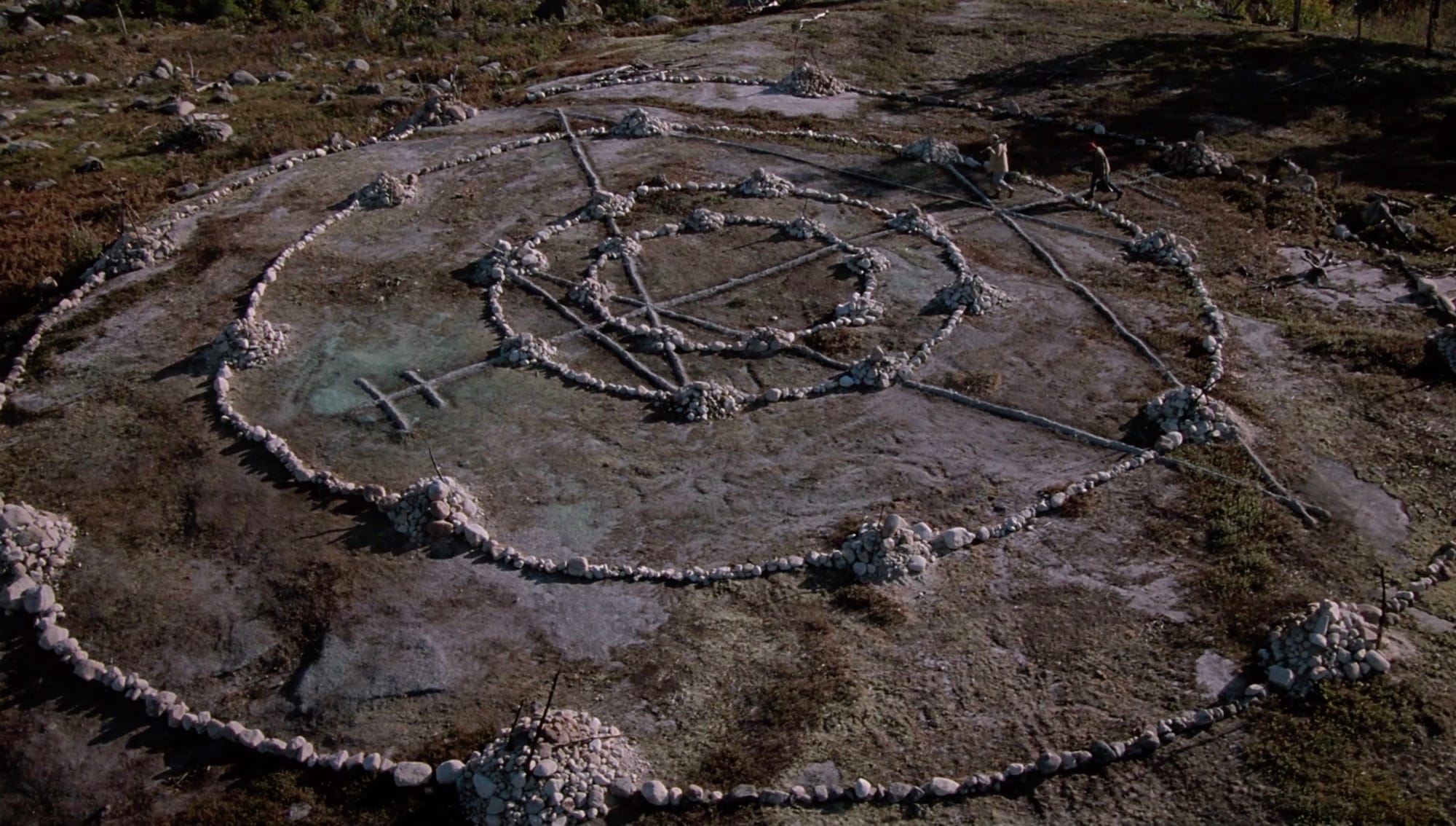
Jesse Wente, who speaks in my documentary, talks about it when he is talking about the idea of the Indian burial ground. Whenever you see these horror films that use the concept of the Indian burial ground, they're always talking about a house or building that is having problems because it's built on top of an Indian burial ground. And so he's saying the thing that's built into that anxiety of the Indian burial ground has very much to do with the idea of somebody coming to take your home from you. And so it is very much colonial guilt that that stereotype is built around. In North America, we don't want to look at our history. It's bad. We don't want to look at it. It's too recent. Indigenous residential schools were still open in the 1990s. This is recent history.
In an excerpt from the documentary, (1h 21min mark) Jesse elaborates more on this idea:
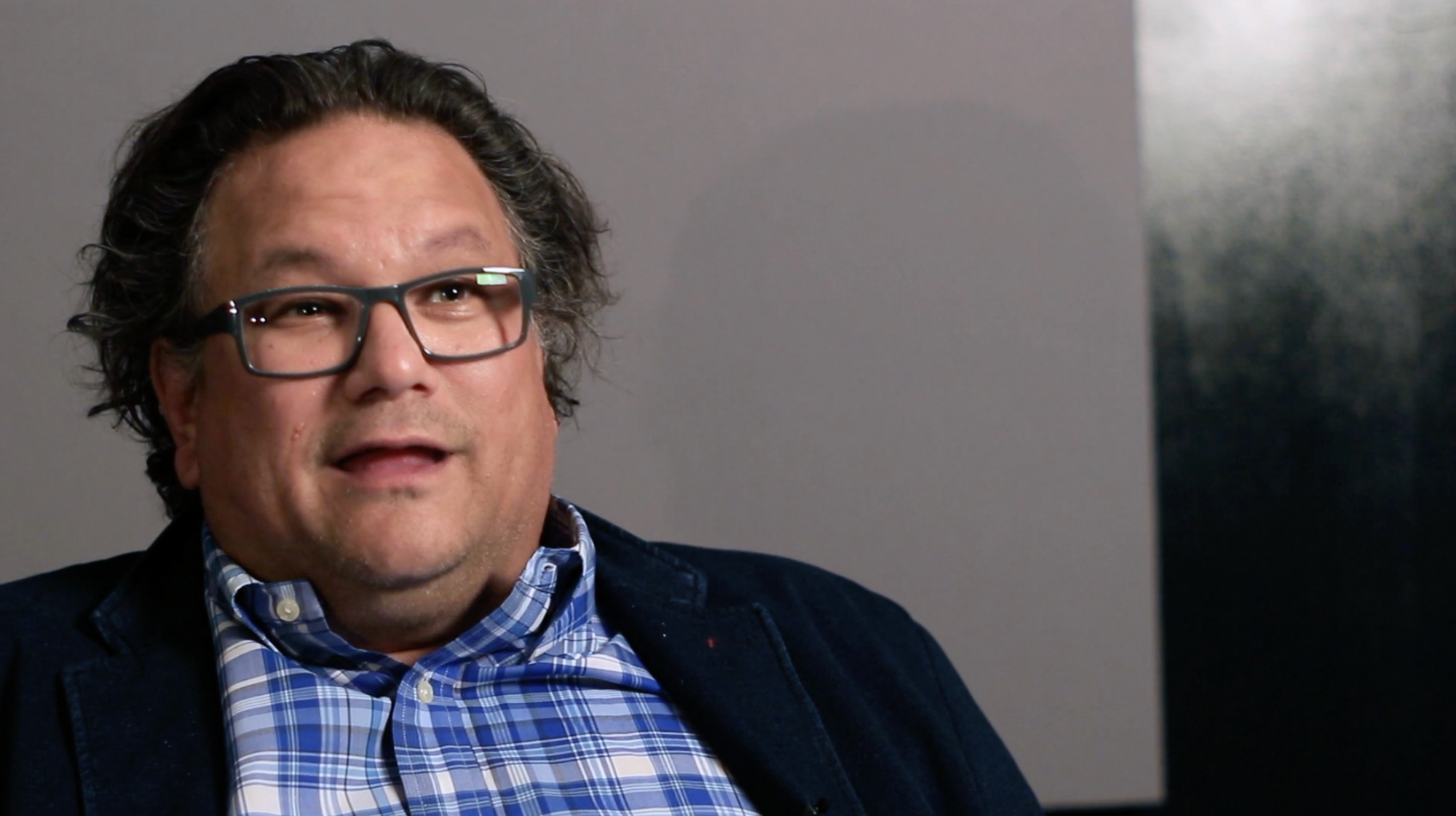
"I'll tell you one other thing about the Indian burial ground though is that I sort of like it... Because if non-Indigenous people are going to be afraid of the Indian Burial ground, then I've got some news for you: its all an Indian Burial Ground.
*** Jesse Wente
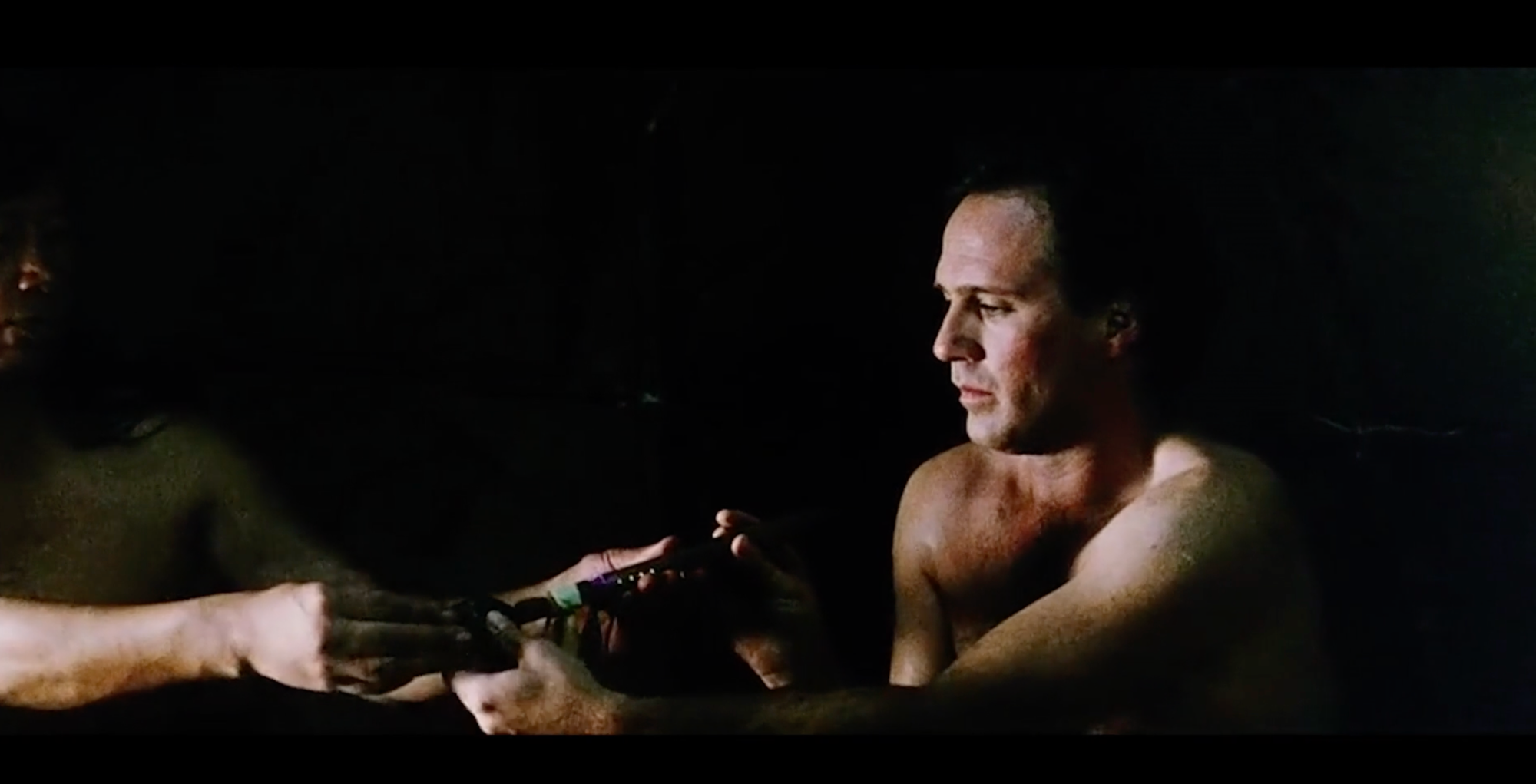
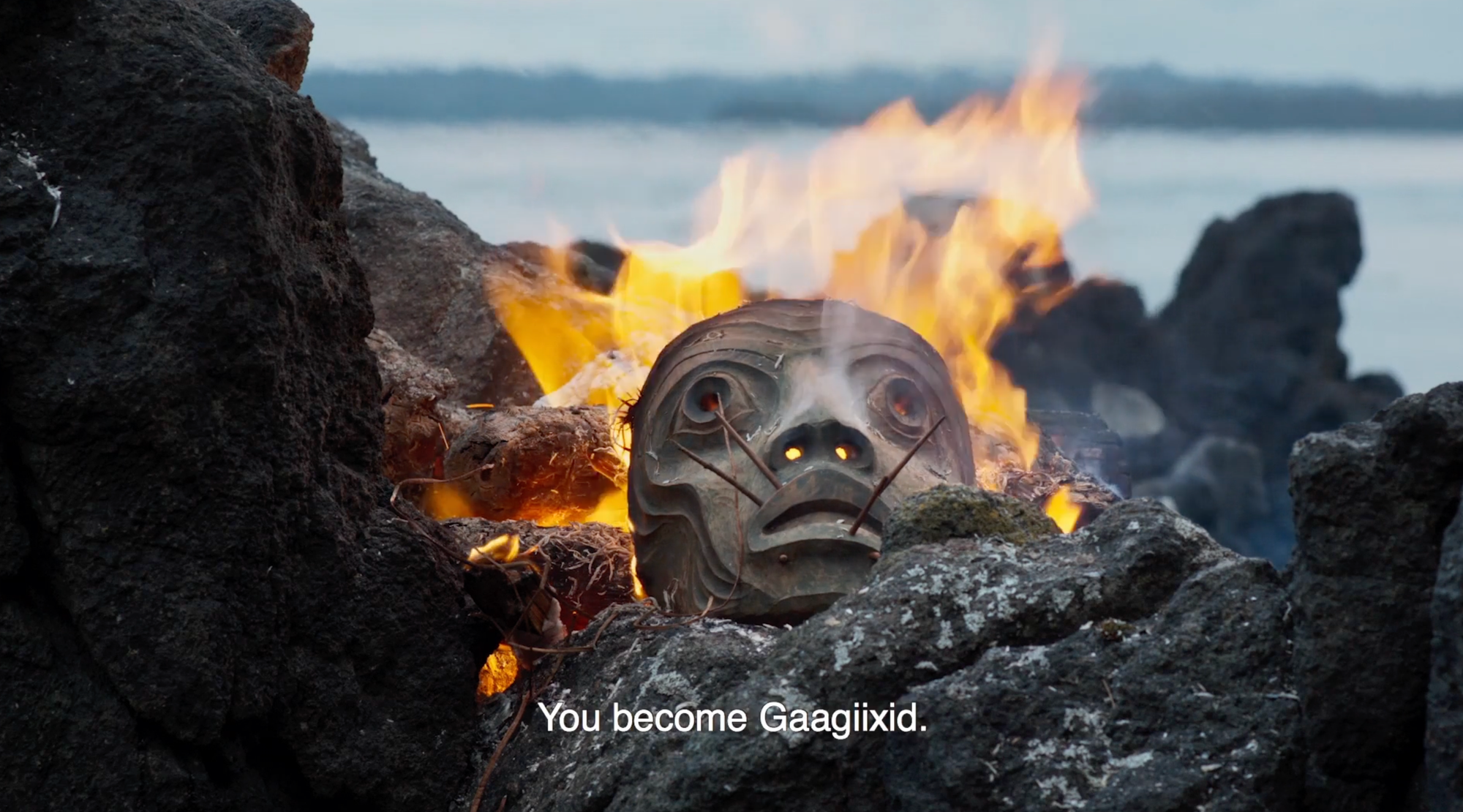
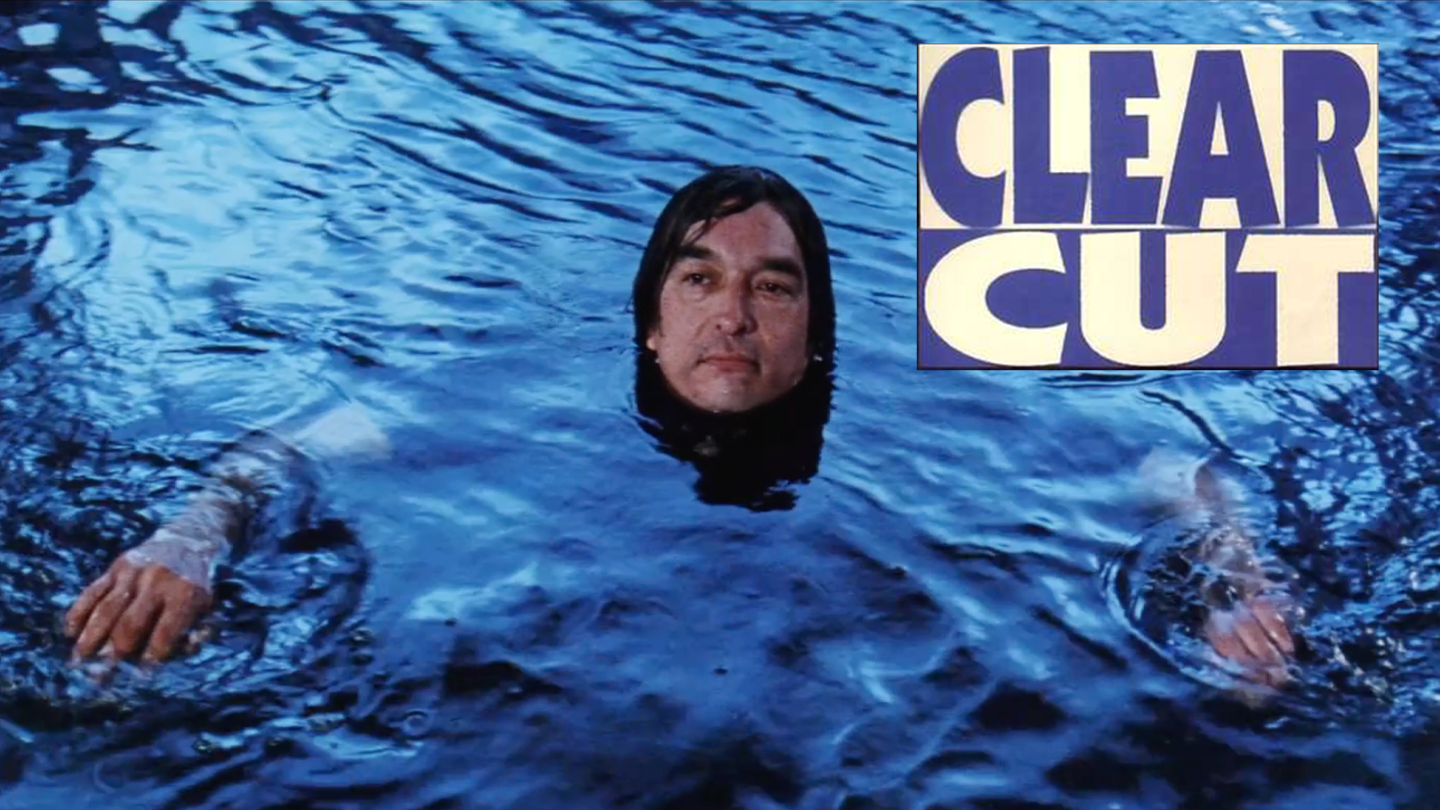
Images from Clearcut (1989) and Edge of the Knife (2018)

EF: You mentioned psychogeography, which I thought was a really interesting through-line in many of these films, particularly in the prairies and Appalachia. What did you observe about the relationship between folk horror to landscape more broadly?
Kier-La Janisse: There are these two main perspectives where either you are aligned as an audience member with the outsider, who's kind of stumbling upon this remote community or this isolated village, or your perspective is aligned with the person who lives in the village who's trying to protect themselves from the stuff that's coming in from the outside.
(cont'd) : The way that landscape functions, it functions a bit differently in these two kinds of movies. When you have movies about the people who are the outsiders, usually the anxieties related to the land have to do with crimes that have been committed on that land and the ghosts of those crimes. Whereas when you have the other kinds of folk horror films where you have people inside the community looking out, the landscape is much more associated with deities, with forces of nature, with gods that they might believe in, that these are sacred places in the landscape. I feel like psychogeography is much more associated with the outsider perspective, where you're dealing with the residue of crimes that came before you and investigating your complicity in those crimes.
"Folk horror is not just a fun genre where you can put an animal mask on somebody and make it a folk horror movie. It usually has these associations that deal with really uncomfortable truths about things. This is what horror does, right? Horror brings everything to the surface. Horror often will take a really normal situation that people go through every day, like childbirth or postpartum depression, and they will exaggerate that into the monster of a film." -Kier-La Janisse
EF: What makes a horror film endure? And why do some films find their audiences later?
Kier-La: In terms of what makes films endure, a lot of the films I chose did not endure. Clearcut is a perfect example. Clearcut, which is a Canadian movie, people had totally forgotten about. Jesse Wente was the person who brought it up to me. So the credit really goes to him, the fact that it was rediscovered.
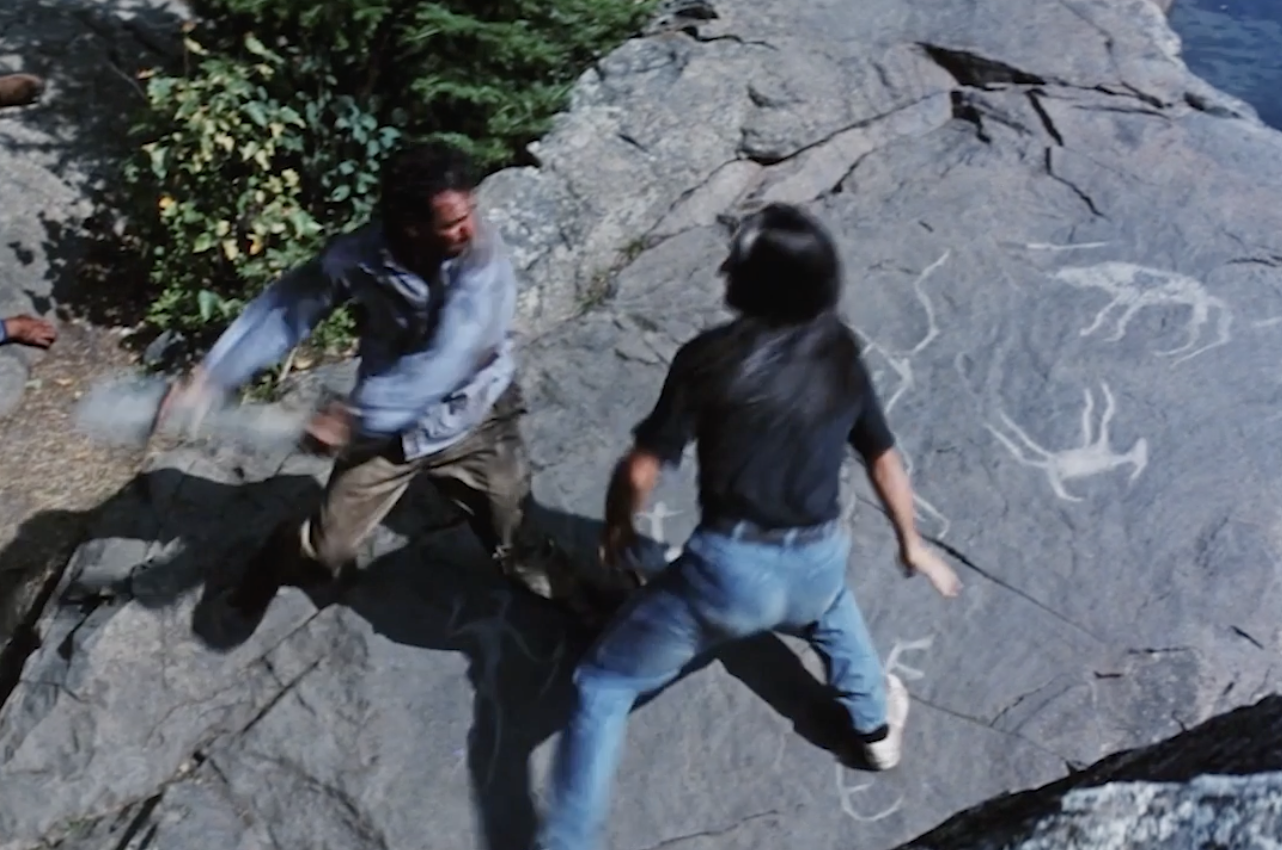
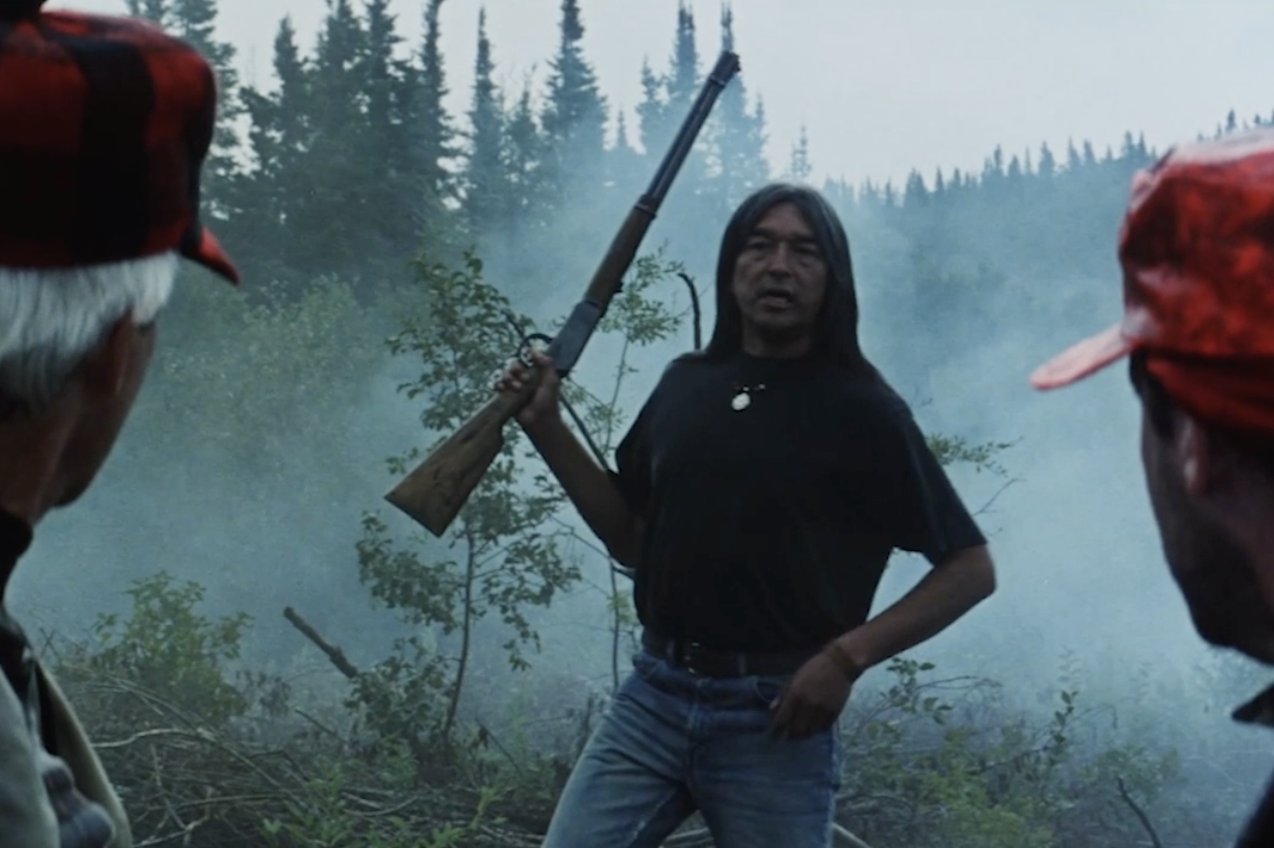
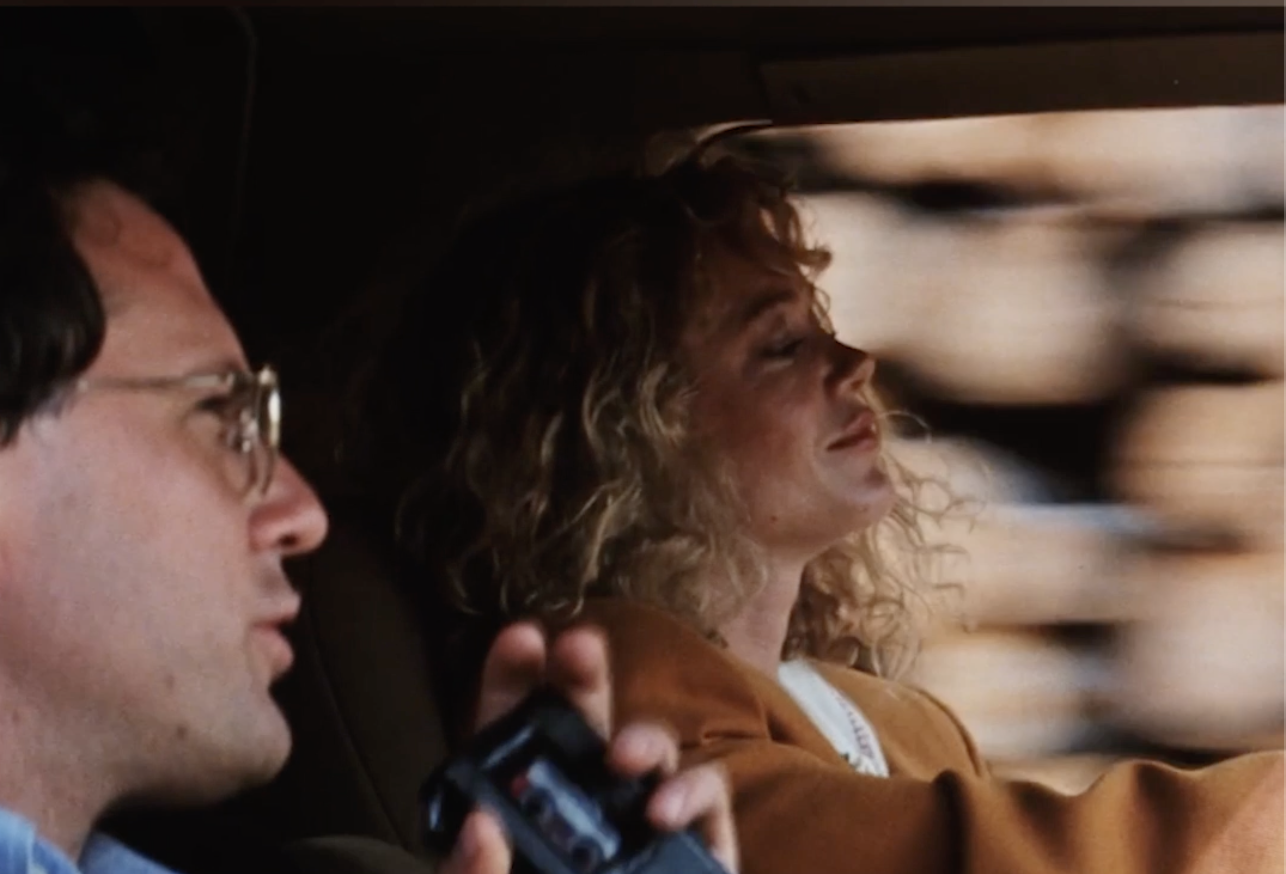
Images from Clearcut (1991) dir. Ryszard Bugajski
A lot of times when I'm choosing things, it's not necessarily because they've endured as much as because they illustrate something. When you're doing a book of film studies or you're doing a documentary like this, you're looking for films that illustrate the points that you want to make. So much of what you do as a curator is about preparing the audience to be as receptive as possible to that film and that filmmaker's message on what they're trying to say.
I've been alive long enough that I've seen films have second and third lives at this point. A movie like Possession is a great example of a movie like that. Everybody knows that movie now. But that is not the history of that film. That film was not just forgotten, it was reviled. People did not like it. And it has now, you could say, unfortunately, after the director passed away, but it found its audience. Sometimes it takes a while for movies to find their audience. So a lot of times it's not about something that's in the film that's making it endure. It really has so much to do with the culture and how ready the culture is for something and how interested the culture is in something.
If you could pick a starter pack of folk horror films, just a handful, what would you recommend?
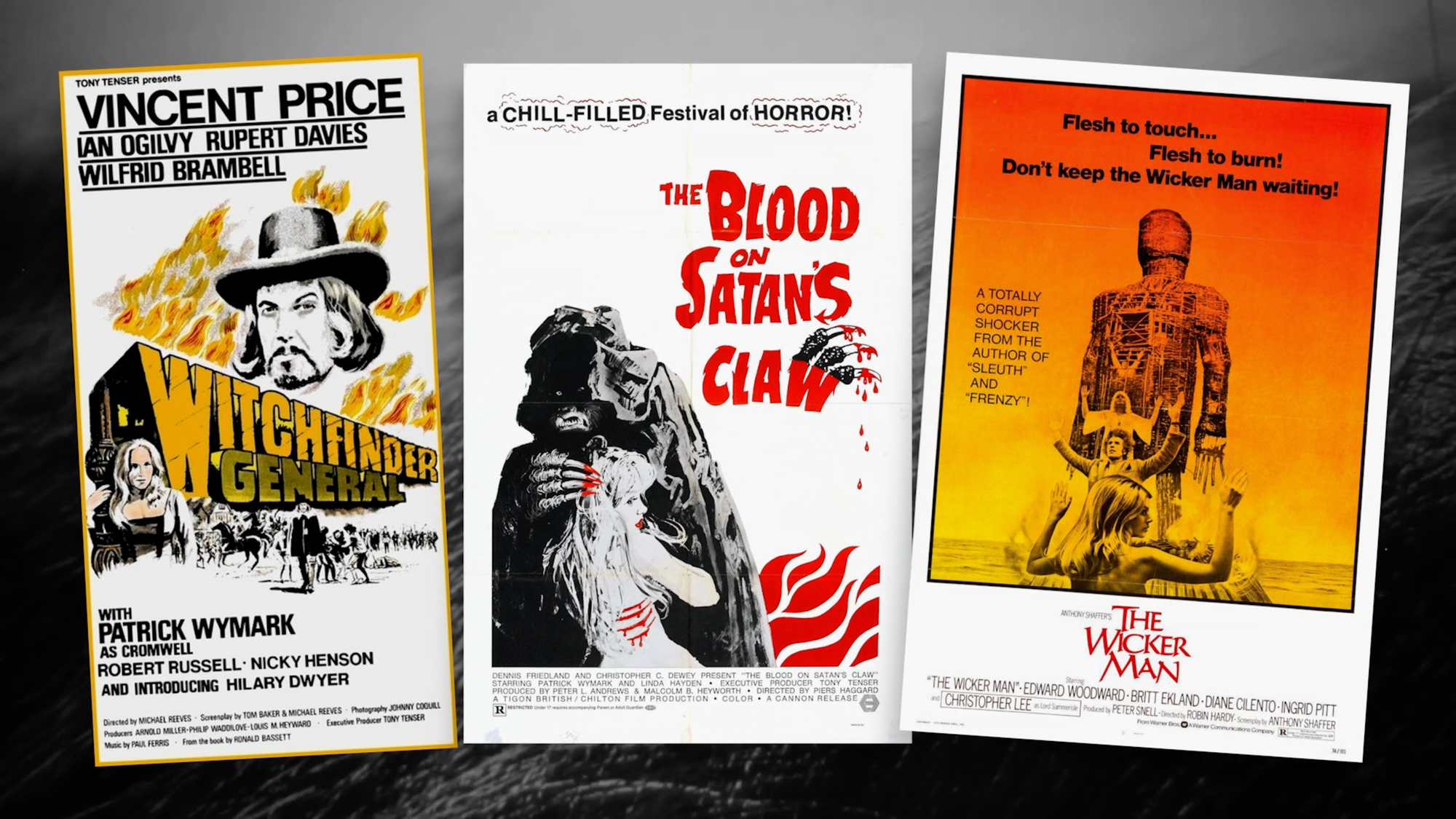
Kier-La Janisse: There's the unholy trinity of films, which is The Wicker Man, Blood on Satan's Claw, and Witchfinder General. People contest Witchfinder General sometimes, I notice, but those are the three movies that are considered by the first academics that were studying this stuff to be the unholy trinity.
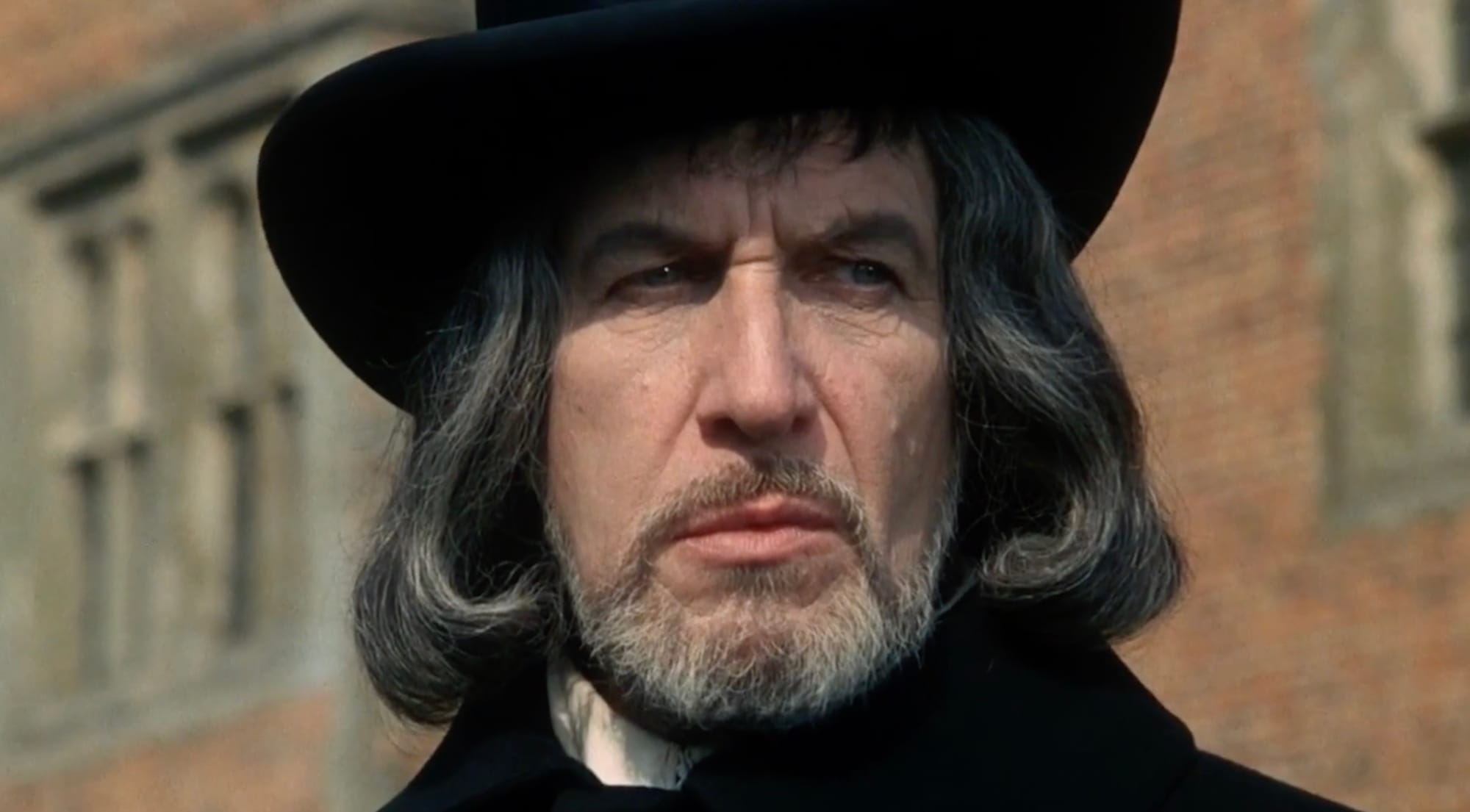
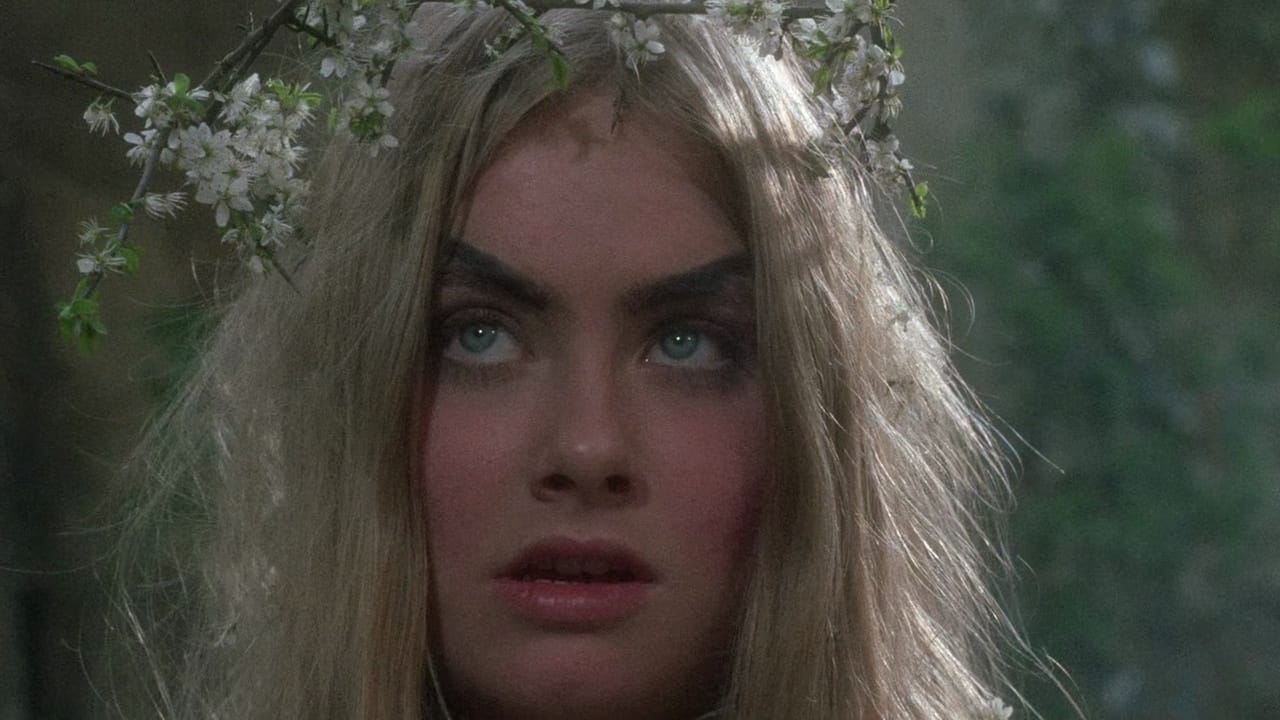
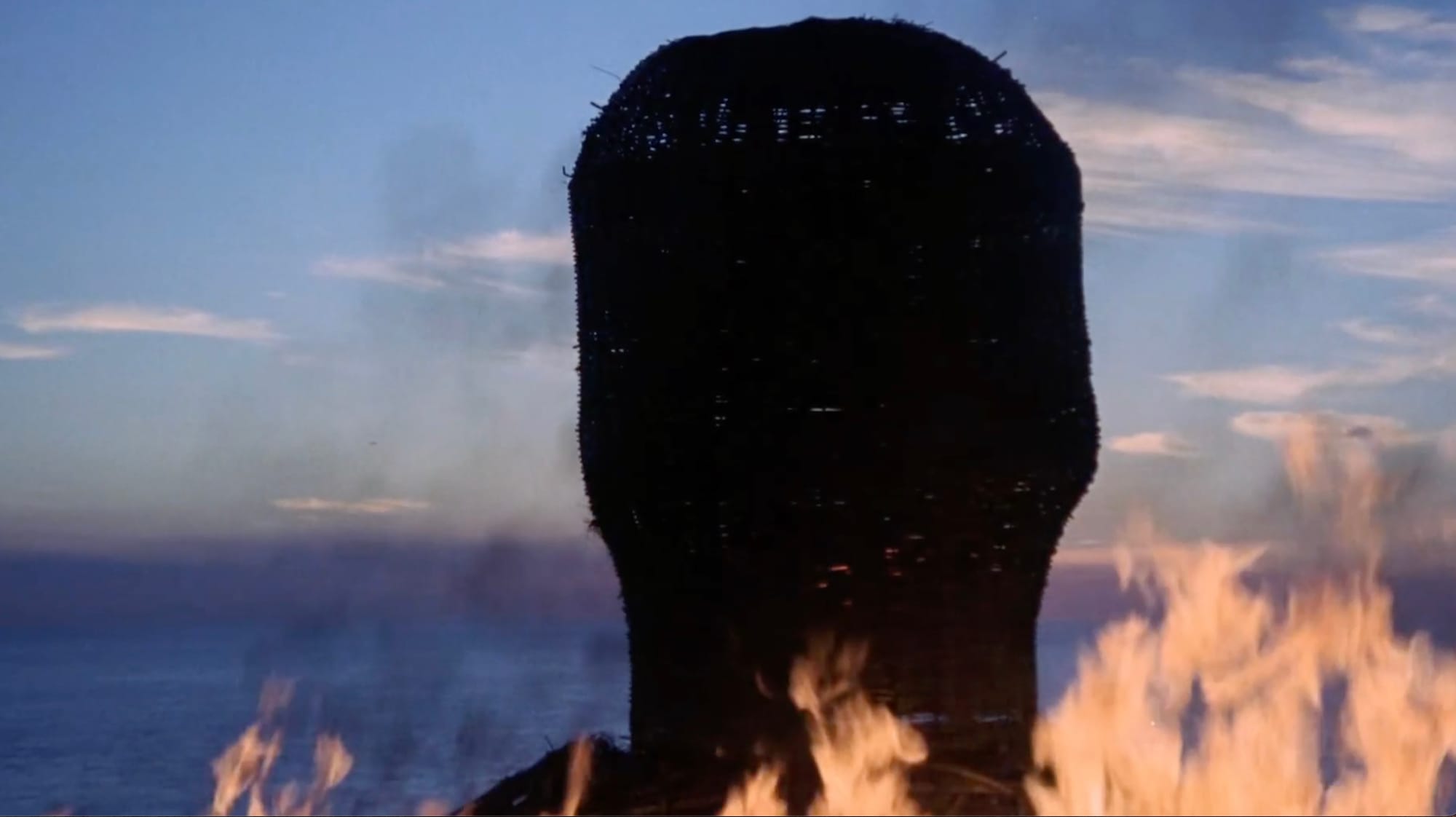
The "Unholy Trinity" Witchfinder General, Blood on Satan's Claw, and The Wicker Man
A weird one I really love is Messiah of Evil, which is an American movie, which is folk horror, but it's also many other things at the same time. I also love this movie called Who Fears the Devil. It was also released as The Legend of Hillbilly John in the seventies.
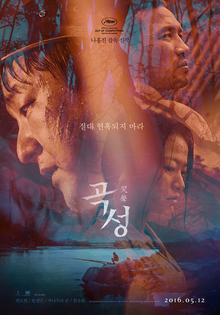
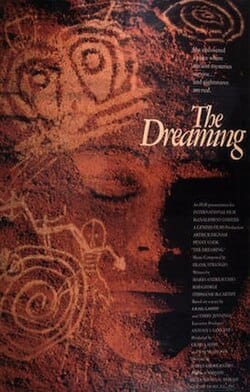
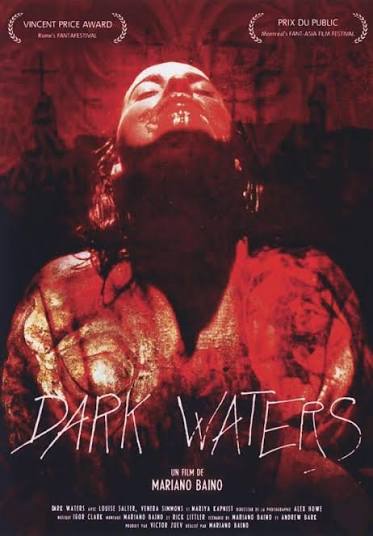
The Dreaming, the Australian movie, is really interesting. The Wailing from South Korea. Dark Waters, which is British technically, but the filmmaker is Italian, and it's got very Italian sensibilities to it. It's really hard for me to pick after having been steeped in it for so long. It's hard for me to just pick a handful of favourites.
Understandable-it's hard to choose what to watch first after seeing the documentary, thank you for your effort in making such an artful, comprehensive guide. Lastly, is there anything you're currently working on, anything coming up that you'd want our audience to know about?
Kier-La: I'm working on another documentary for Severin Films right now, which is an adaptation of a 1994 book called Killing for Culture, and it's going to be a much more grim film than Woodlands Dark. The book is all about the history of real death on film. It's an interesting project because it has challenges. It has ethical challenges, it has copyright challenges, it has aesthetic challenges. I'm working on the aesthetic challenges right now, which are basically how do I take something so ugly and make it a film that people will actually sit and watch for ninety minutes. And I'm working on another documentary independently, which I'm funding myself, which is totally opposite of that. It is called Natural Magic right now. That's the working title, but it's a documentary about a film production company from England that existed from 1970 to 1976. This company they had, which was this small independent film company, has put out many films that are among my favorite films. They did a lot of music-centric films. They had a lot of films where they would have musicians as the star, as the main actors in the film. The first film they did was Performance with Mick Jagger and Anita Pallenberg and James Fox. To them, it's like a small thing they did. It's this small company. It doesn't even have a proper Wikipedia page or anything. And that company to me, I'm like, I don't actually care about Chariots of Fire. I care about this part of your career.

Kier-La Janisse is a Canadian film writer, publisher, producer, and acquisitions executive for Severin Films. She is the author of Cockfight: A Fable of Failure (2024), House of Psychotic Women: An Autobiographical Topography of Female Neurosis in Horror and Exploitation Films (2012/2022) and A Violent Professional: The Films of Luciano Rossi (2007) and has been an editor on numerous books including Truth & Soul: A Robert Downey Sr. Reader (2025), Warped & Faded: Weird Wednesday and the Birth of the American Genre Film Archive (2021) and Satanic Panic: Pop-Cultural Paranoia in the 1980s (2015). She wrote, directed and produced the award-winning documentary Woodlands Dark and Days Bewitched: A History of Folk Horror (2021), and produced the acclaimed blu-ray box sets All the Haunts Be Ours: A Compendium of Folk Horror Vols. 1 & 2 (2021/2024) and The Sensual World of Black Emanuelle (2023). In 2024 she launched The Haunted Season, an annual Christmas ghost story special produced by Severin Films and screening on Shudder.
For more info on Kier-La, visit her website: kierlajanisse.com